

Celebration of the 52nd National Voluntary Blood Donation Day – Awareness Programme and Voluntary Blood Donation Drive at BGS Medical College and Hospital, Nagaruru
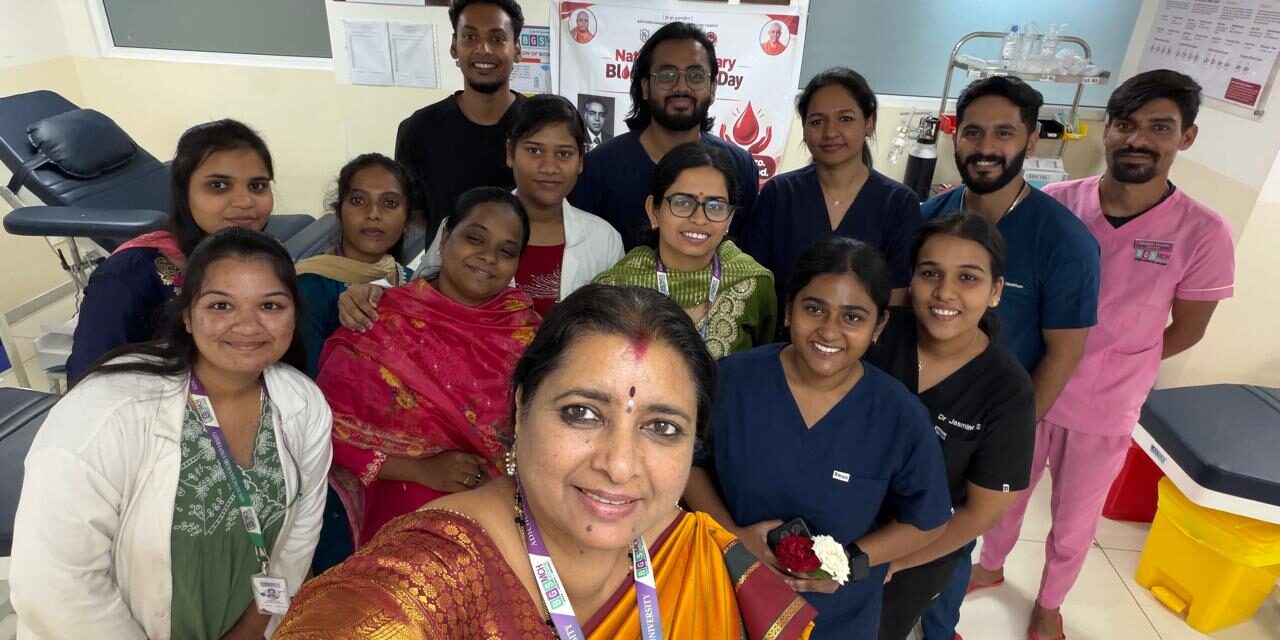
The Department of Immunohematology and Blood Transfusion successfully hosted a comprehensive series of events from September 28 to October 1, 2026, to commemorate the 52nd National Voluntary Blood Donation Day. This significant observance, which began in India in 1975 under the aegis of the Indian Society of Blood Transfusion and Immunohaematology, serves to foster awareness regarding the critical importance of voluntary and non-remunerated blood donation. The year 2026 holds particular historical importance as it marks fifty-one years since the inception of this national movement.
The timing of this observance coincides with the birth anniversary of Dr. Jai Gopal Jolly, widely revered as the Father of Transfusion Medicine in India. Dr. Jolly was a visionary who pioneered the voluntary donation movement and was instrumental in establishing transfusion medicine as a formal medical specialty in the country. By aligning the National Voluntary Blood Donation Day with his birth anniversary, the institution honors his legacy and his tireless efforts to develop standardized blood transfusion services across the nation.
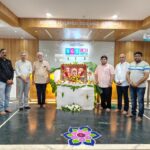
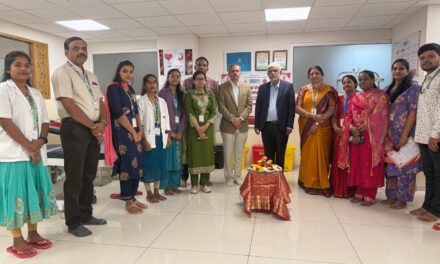
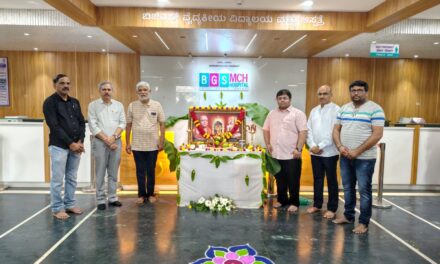
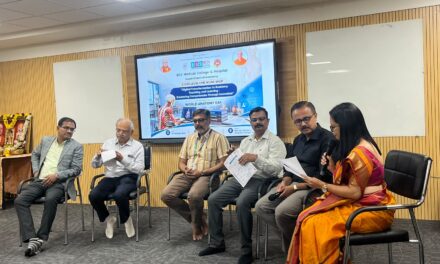
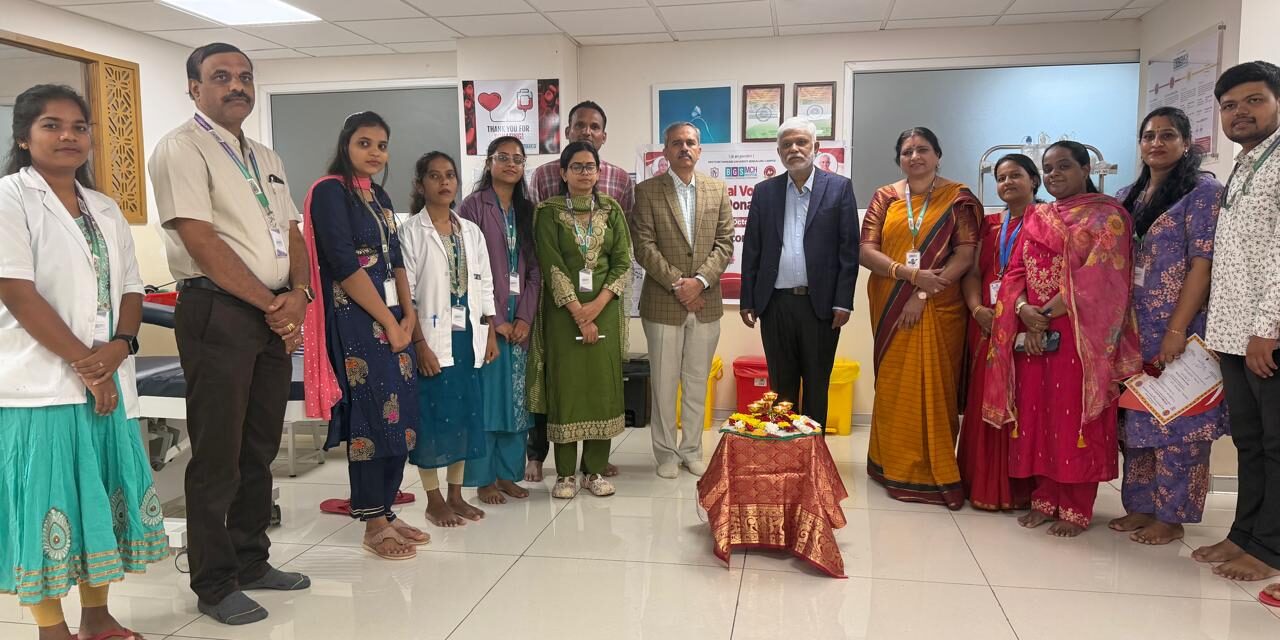
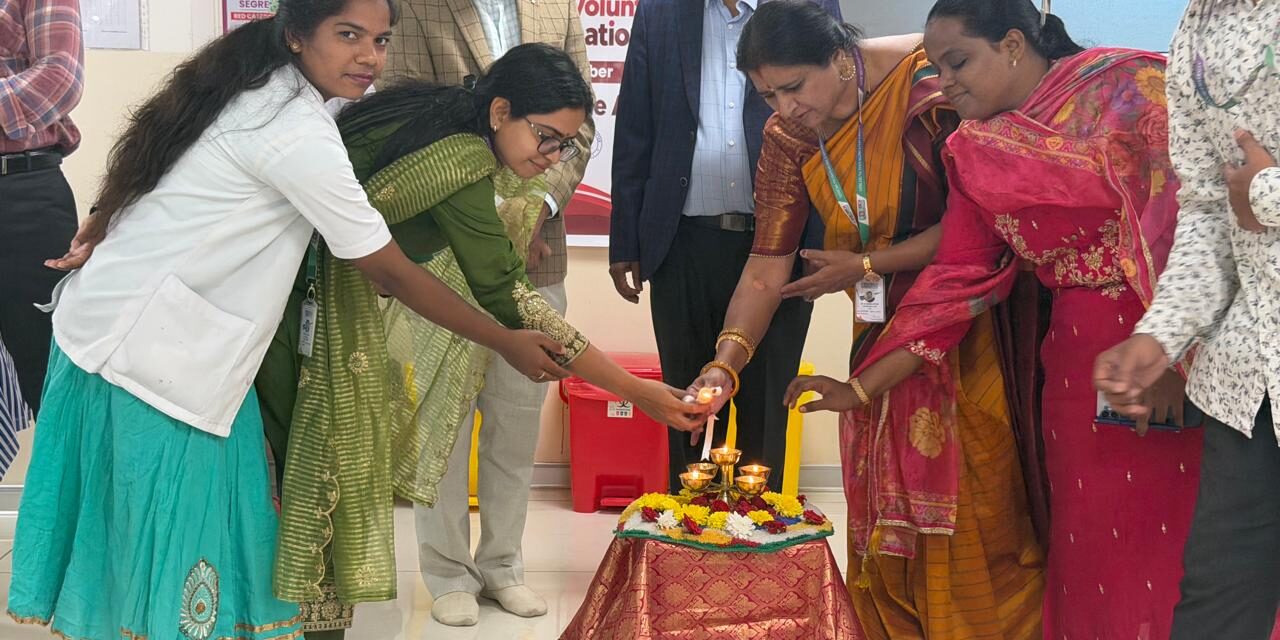
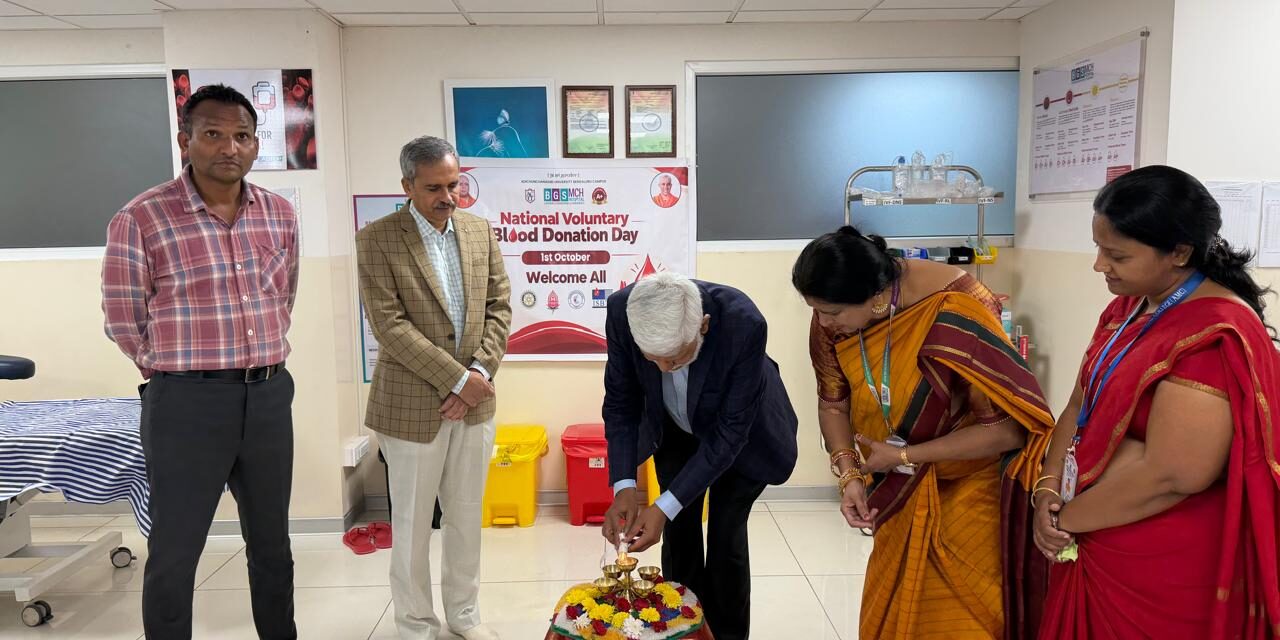
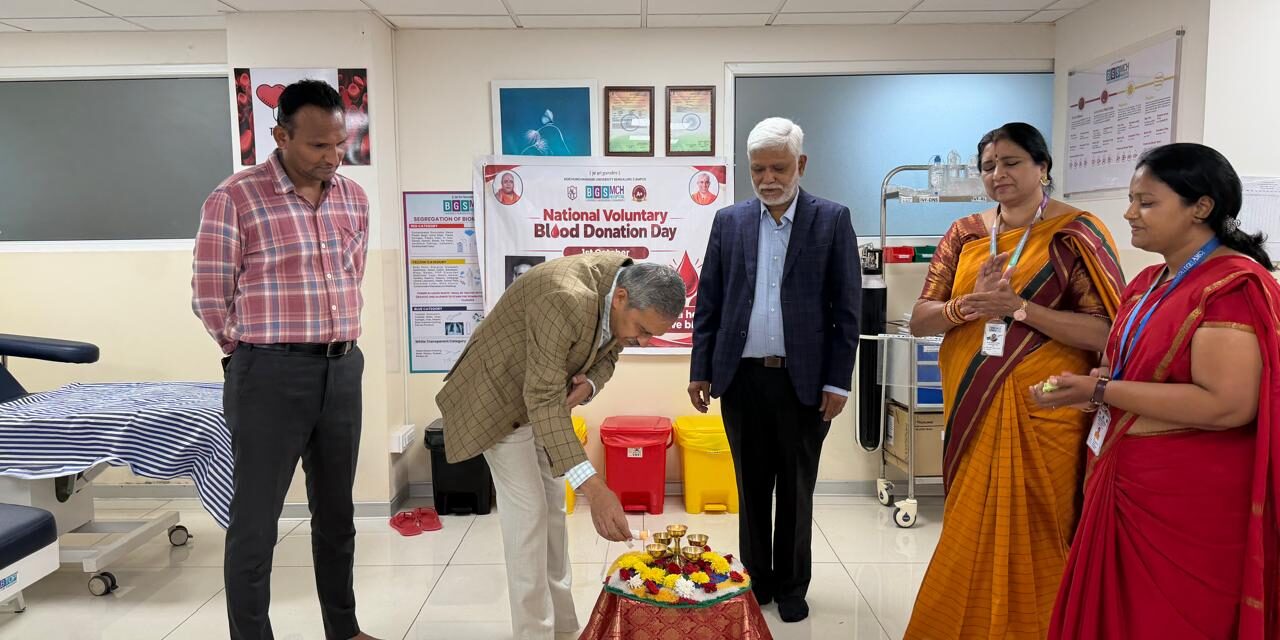
The official program commenced with a traditional lamp-lighting ceremony led by the Respected Dean, Dr. K.S. Gangadhara, and the Chief of Health, Dr. Krishnamurthy V.R. Their presence, along with esteemed faculty members and students, underscored the institution’s commitment to public health and community service. A central component of the event was a dedicated awareness session designed specifically for MBBS and Ayurveda students. This educational initiative aimed to sensitize the next generation of healthcare professionals to their pivotal role in maintaining a safe and sustainable blood supply.
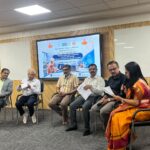
During the awareness seminar, students received detailed instruction on the physiological and clinical requirements for blood donation. The curriculum covered the eligibility criteria for donors, the technical aspects of donor safety, and the procedural standards of blood collection. Furthermore, the session addressed common societal myths and misconceptions, equipping students with the knowledge necessary to serve as effective ambassadors for the cause. The program emphasized that healthcare professionals must not only lead by example but also act as catalysts for developing a culture of regular, altruistic donation within the broader community.
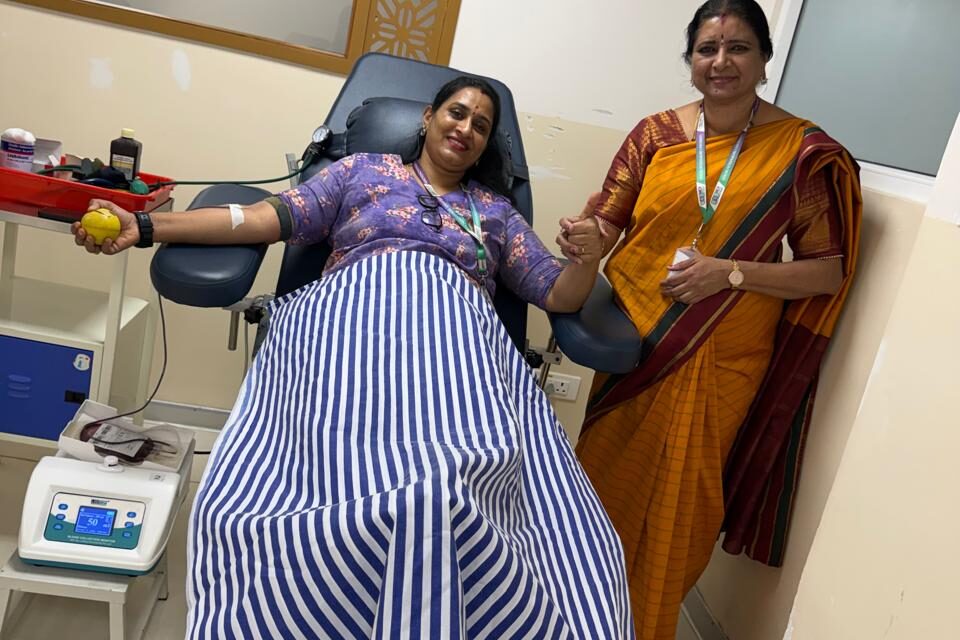
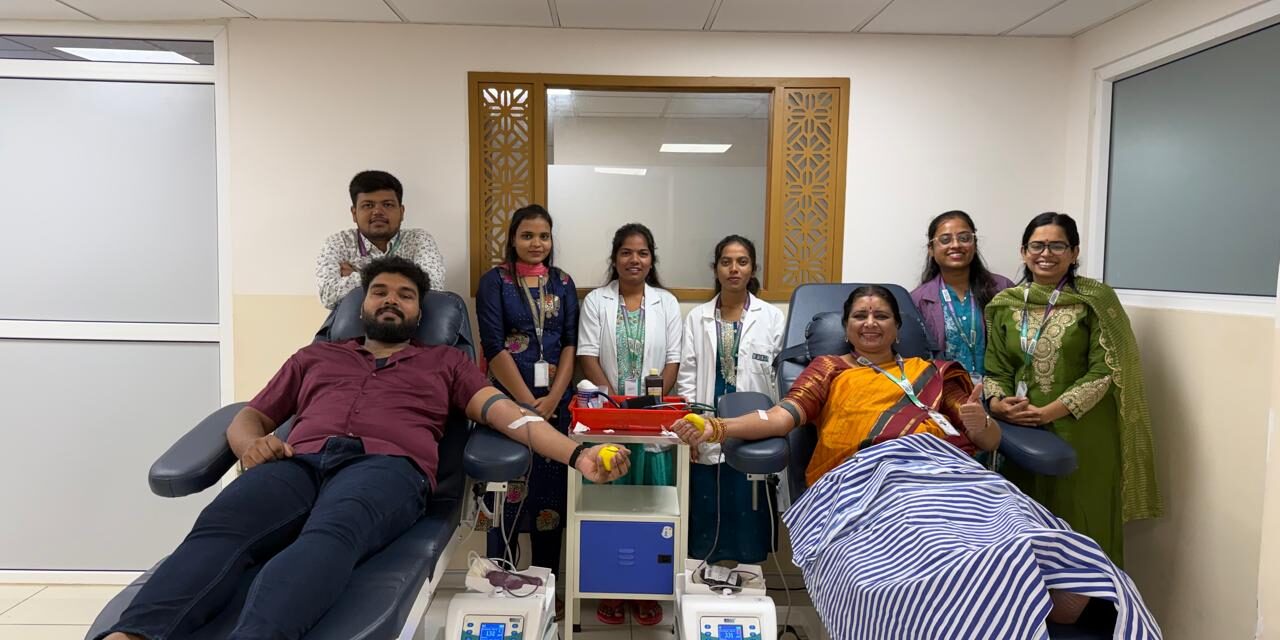
Following the educational session, the department conducted a Voluntary Blood Donation Drive. A total of twenty-six voluntary donors participated in the initiative, each undergoing rigorous medical screening and counseling to ensure adherence to safety standards. The blood collection process followed strict standard operating procedures, prioritizing the comfort and post-donation care of every participant. This practical application of the day’s teachings demonstrated the immediate impact of institutional awareness efforts.
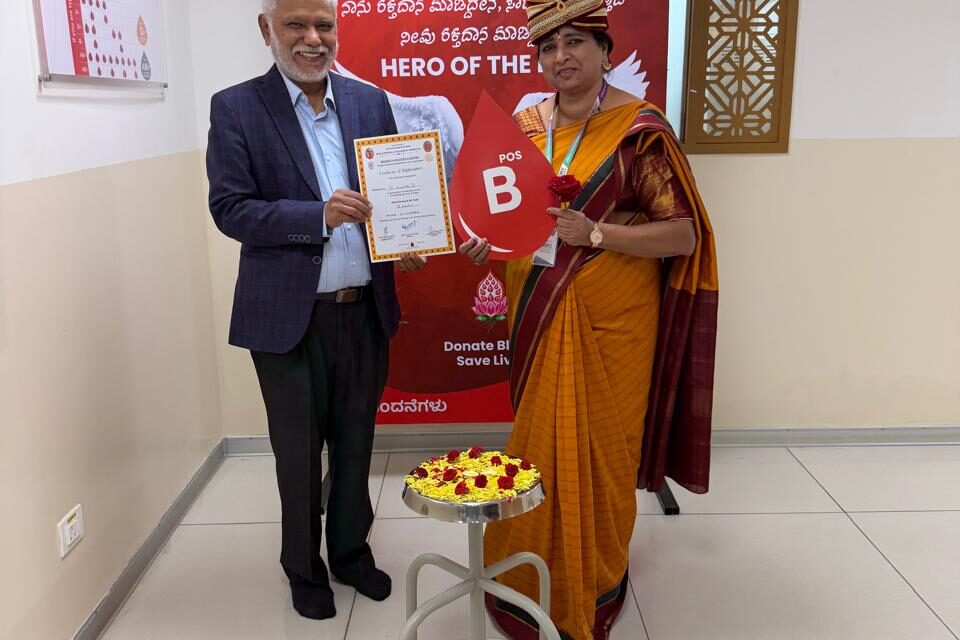
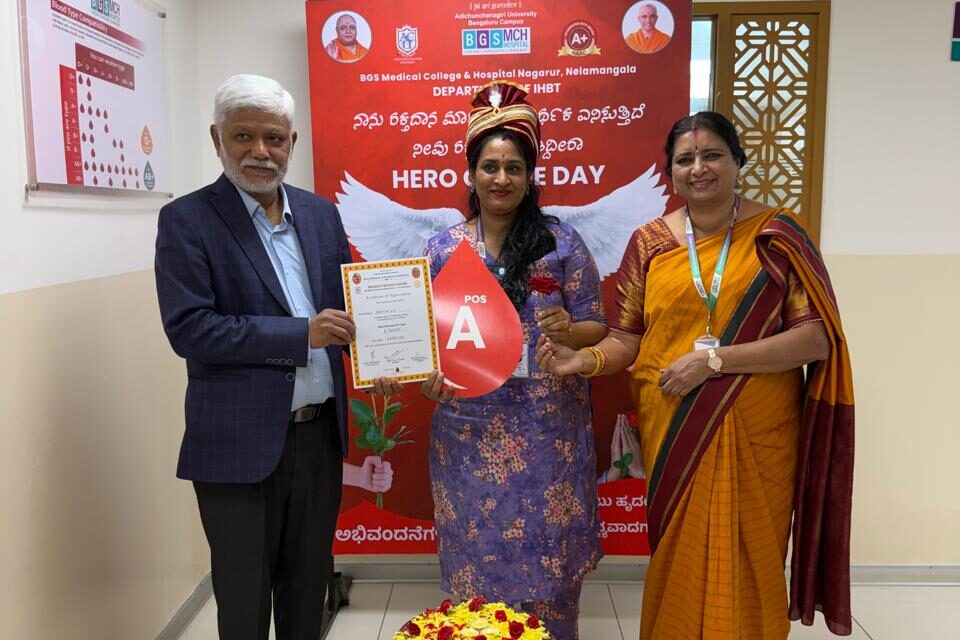
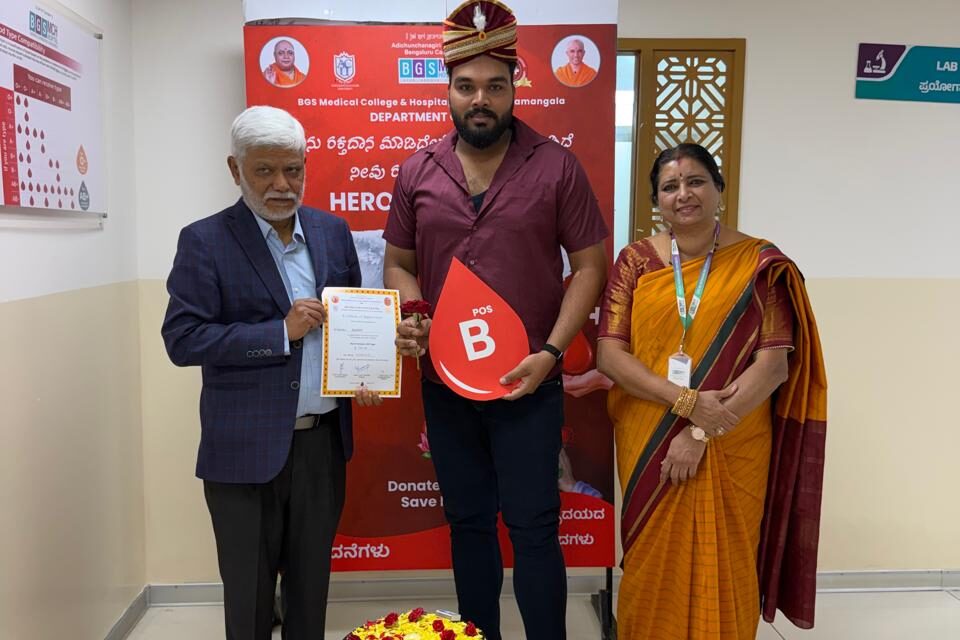
The event concluded with a formal felicitation ceremony to recognize the selfless contributions of the donors. In a move to promote diversity and inclusion within the donor pool, the first female donor of the day was specially recognized and awarded a certificate of appreciation by the dignitaries. The first overall donor was also honored, serving as a symbolic gesture of gratitude from the medical community. These recognitions were intended to inspire continued participation and to highlight the profound impact that individual contributions have on the integrity of the national healthcare system.