




BGS Medical College Hosts CME Workshop on EEG Applications in Psychiatry and Neurology
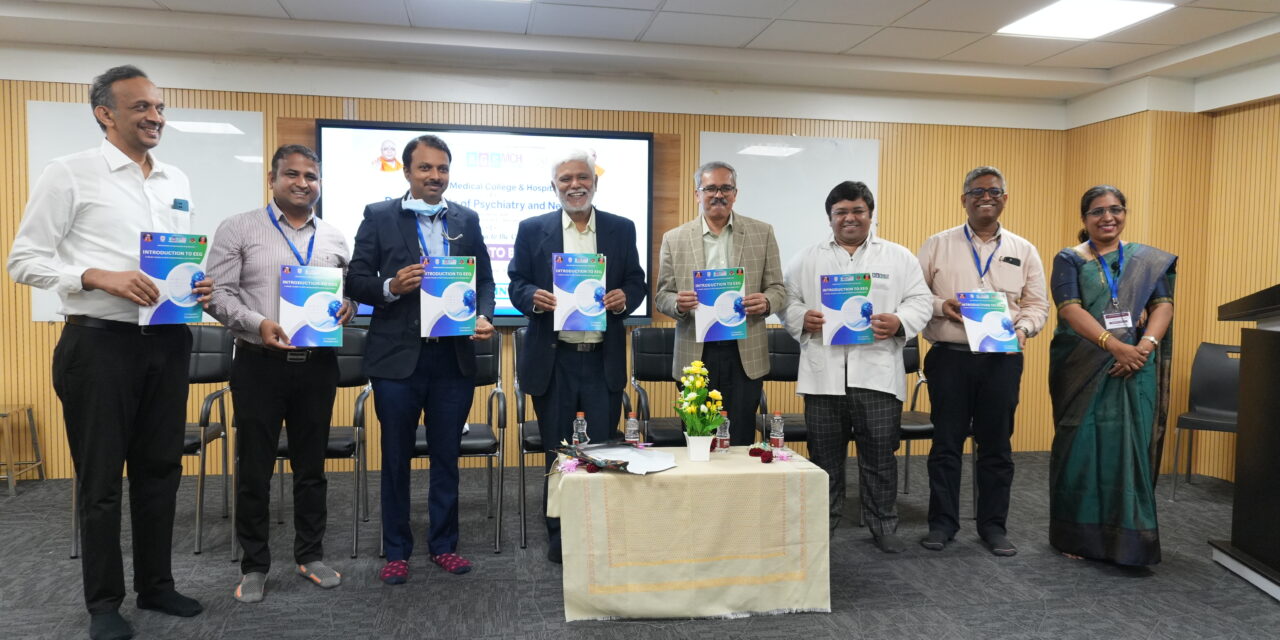
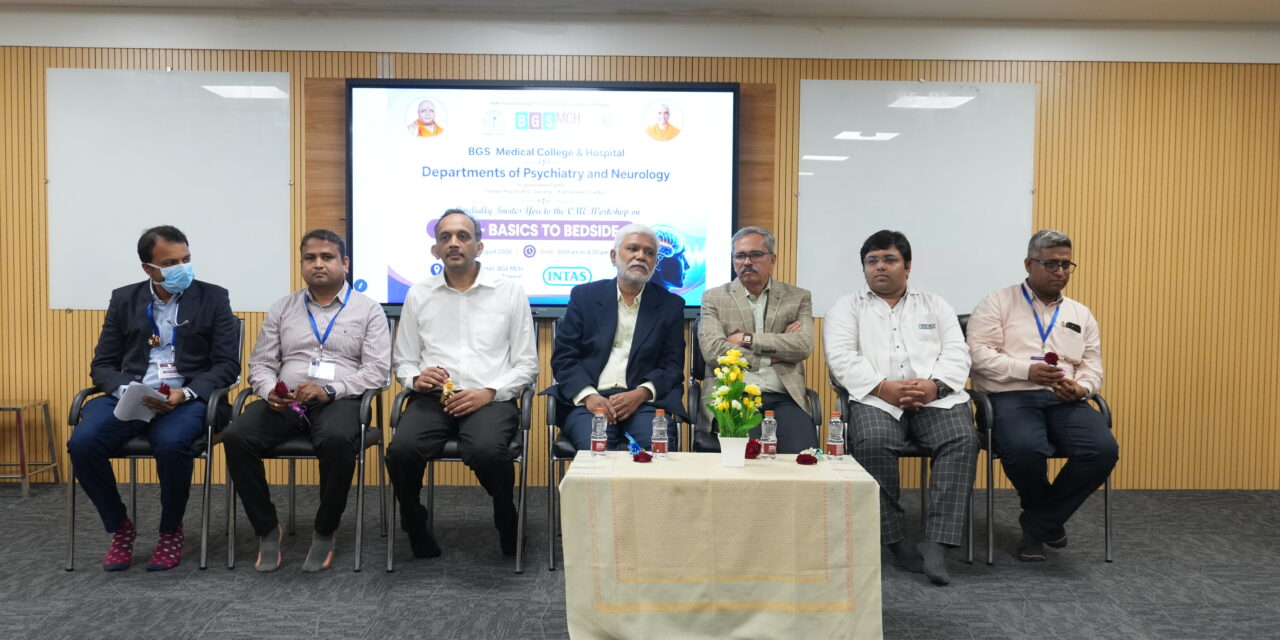
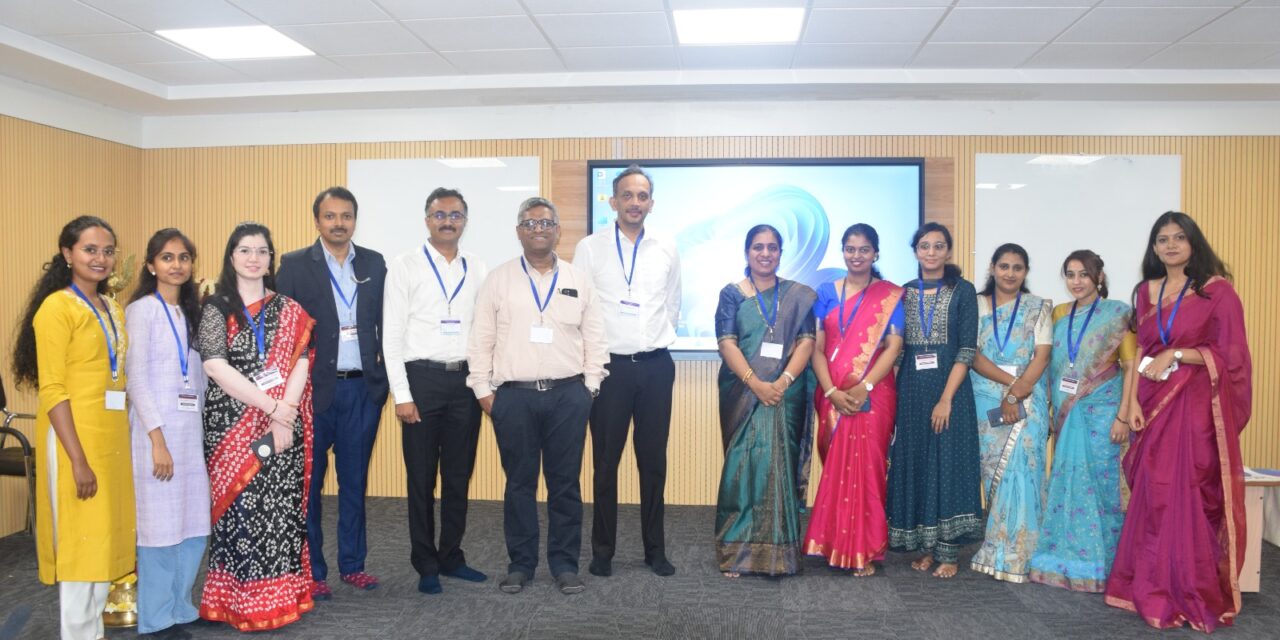
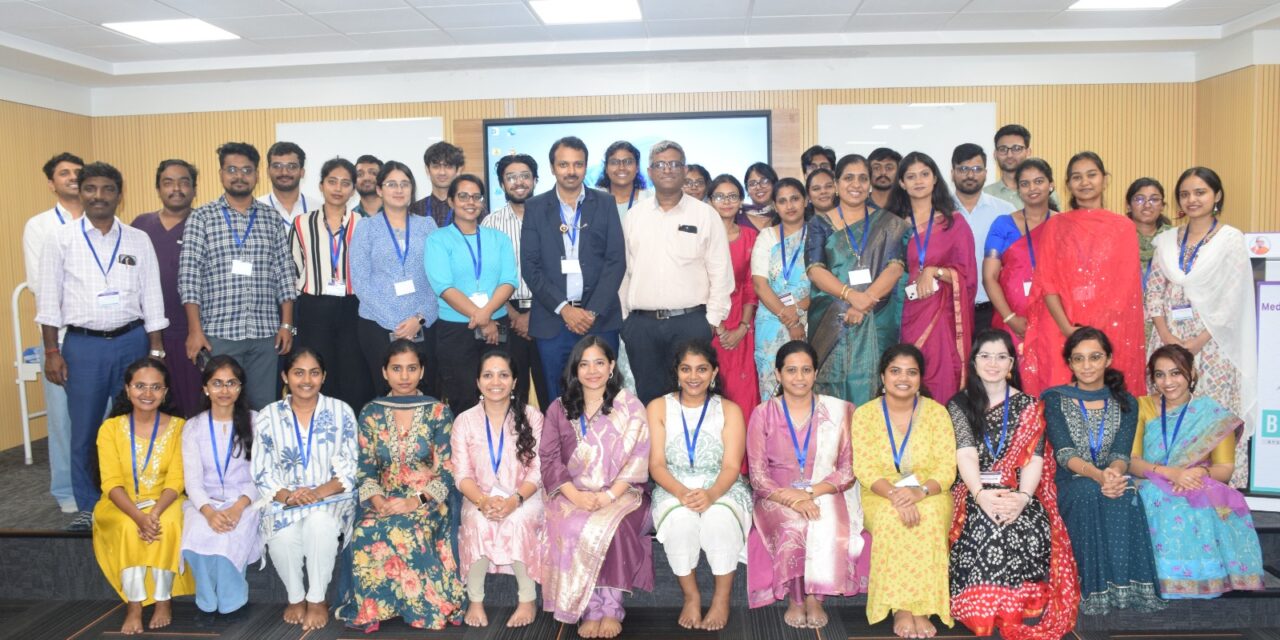
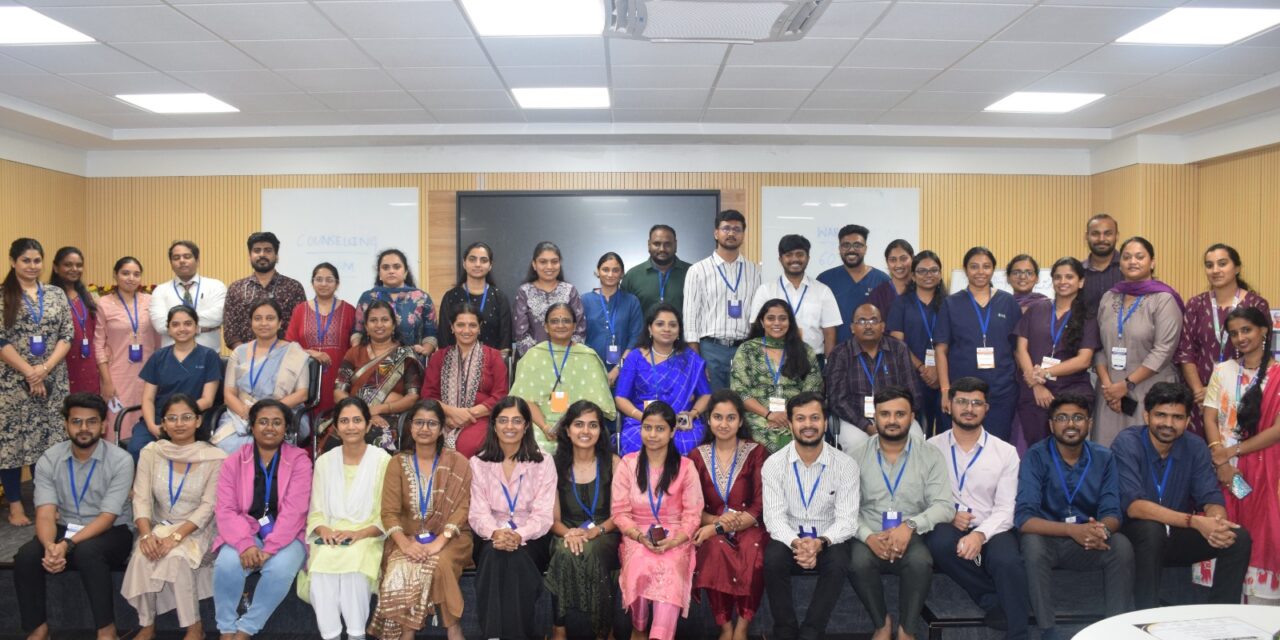
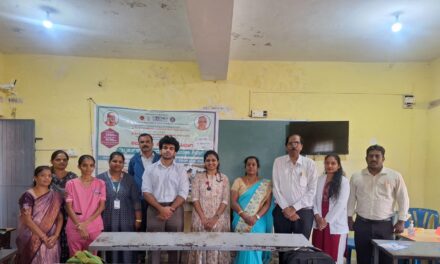
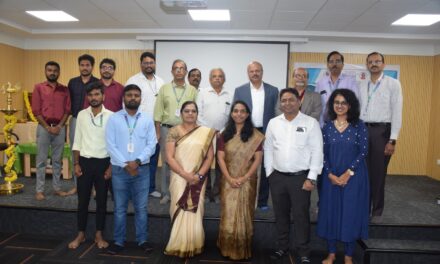
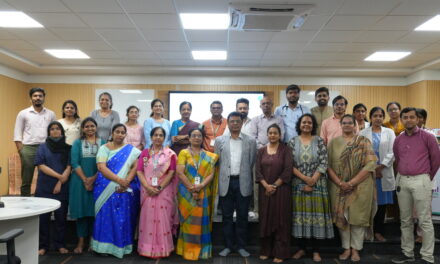
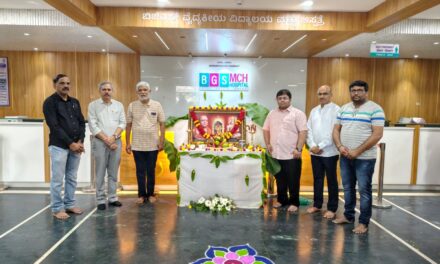
The Departments of Psychiatry and Neurology at BGS Medical College and Hospital, in collaboration with the Indian Psychiatric Society Karnataka Chapter, successfully conducted a comprehensive Continuing Medical Education workshop titled EEG Basics to Bedside. Held on August 20, 2026, at the MEU Hall in Nagaruru, Bengaluru, the event served as a critical platform for medical professionals and trainees to deepen their understanding of electroencephalography and its clinical utility. The proceedings commenced with the official release of an educational handout titled Basics of EEG, providing attendees with a foundational resource for the days discussions and future clinical practice.
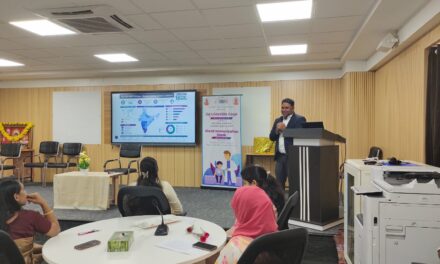
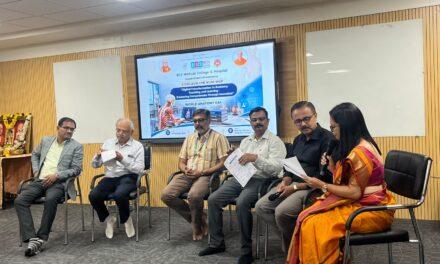
The academic agenda was meticulously structured to bridge the gap between theoretical knowledge and practical application. Dr. Raghavendra S, a distinguished consultant neurologist from Bangalore, initiated the scientific sessions with an in depth presentation on Decoding the Brain Waves, focusing on the physiological underpinnings of neurological signals. This was followed by a specialized session led by Dr. Virupaksha H S, Professor and Head of the Department of Psychiatry, who explored the intersection of neurophysiology and mental health in a presentation titled EEG in Psychiatry Signals Beyond the Symptoms. The theoretical segment concluded with Dr. Kamalesh T N, Associate Professor of Neurology at BGSMCH, who addressed the logistical and diagnostic complexities in his session titled Challenges of EEG Interpretation to Implementation.
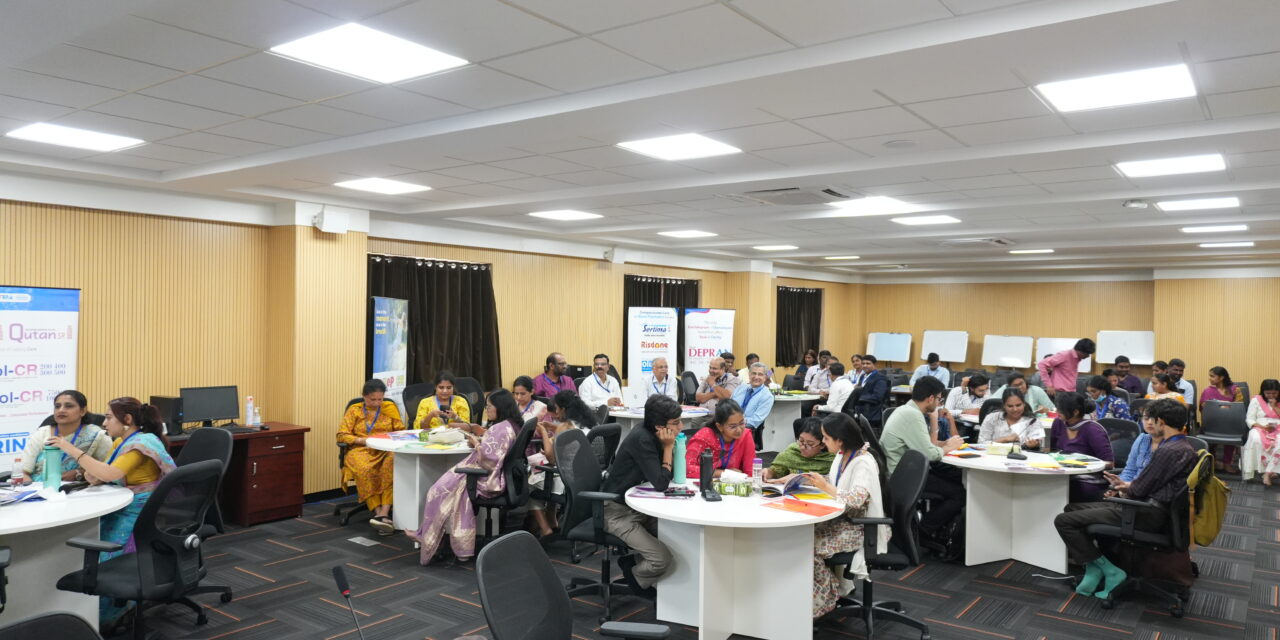
To ensure a holistic learning experience, the workshop integrated a dedicated practical demonstration session. This hands on component allowed participants to engage directly with EEG technology, fostering a better grasp of electrode placement, signal acquisition, and real time data interpretation. The pedagogical approach was further enhanced by a competitive quiz designed to reinforce key concepts and encourage active engagement among the participants. The inclusion of these interactive elements underscored the institutions commitment to evidence based medical education and technical proficiency.
The event concluded with a strong emphasis on the necessity of correlating EEG findings with specific clinical presentations to ensure accurate diagnosis and treatment. By facilitating a multidisciplinary dialogue between the fields of psychiatry and neurology, the workshop provided a structured environment for professional growth. The combination of expert led didactic sessions, practical workshops, and clinical discussions ensured that all attendees left with enhanced competencies in utilizing EEG as a vital tool at the patient bedside.