Department of Physiology Conducts Successful Early Clinical Exposure Session on Blood Banking for Medical Students at BGS Medical College and Hospital, Nagaruru
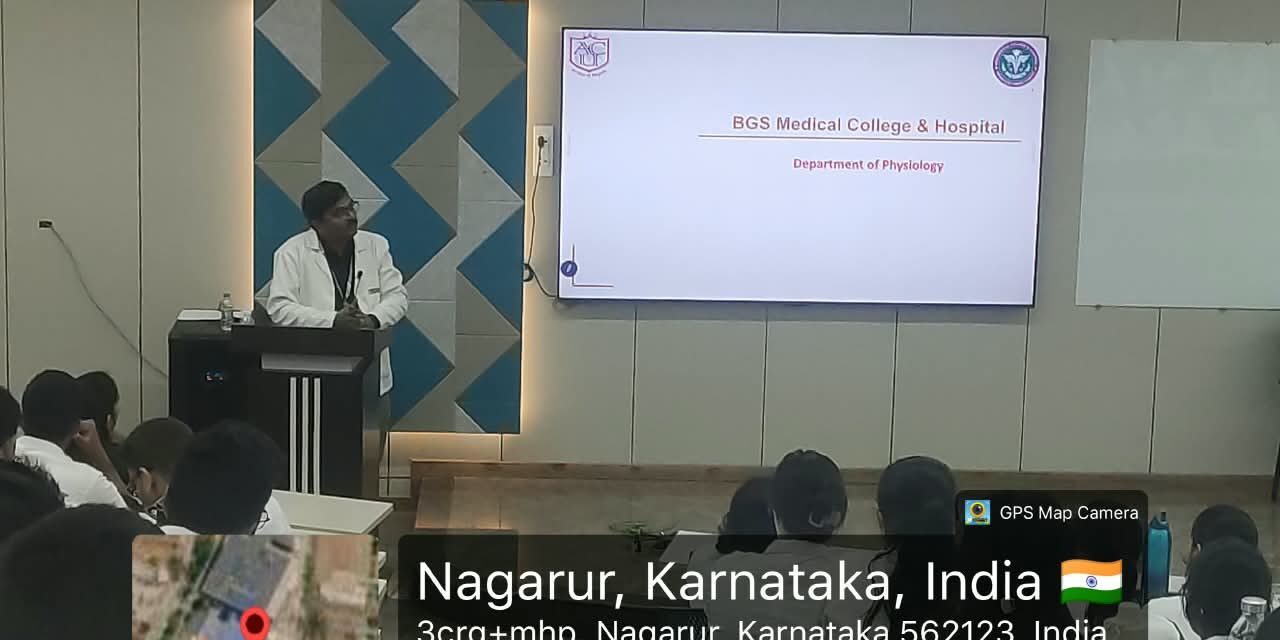
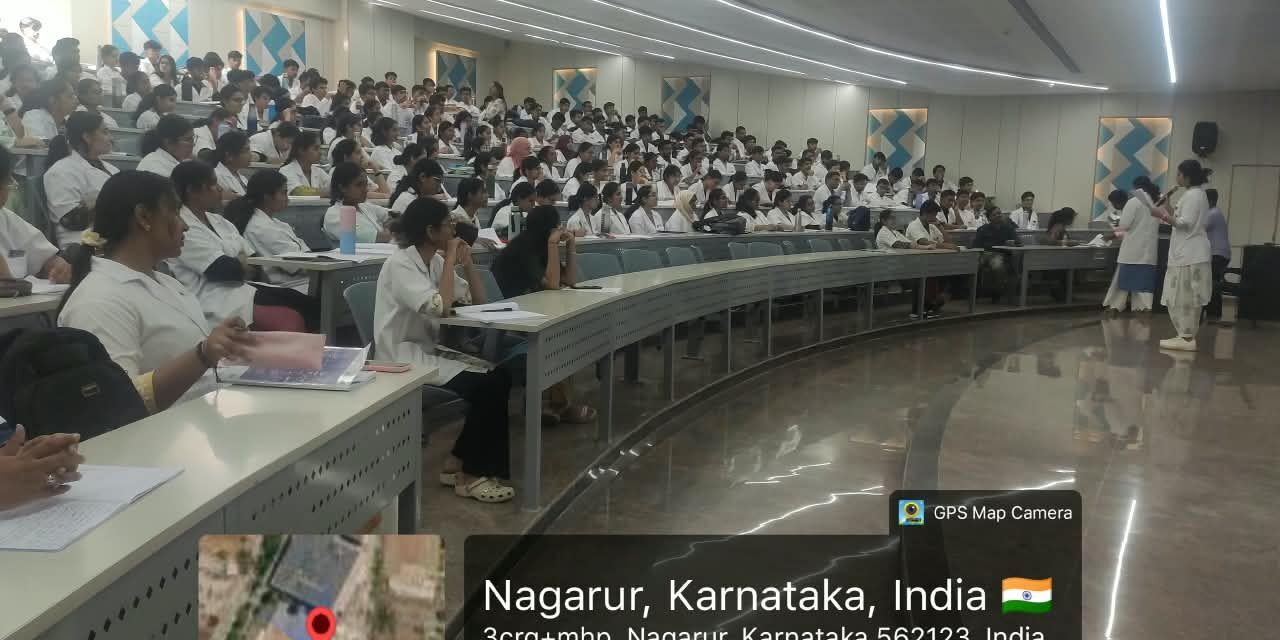
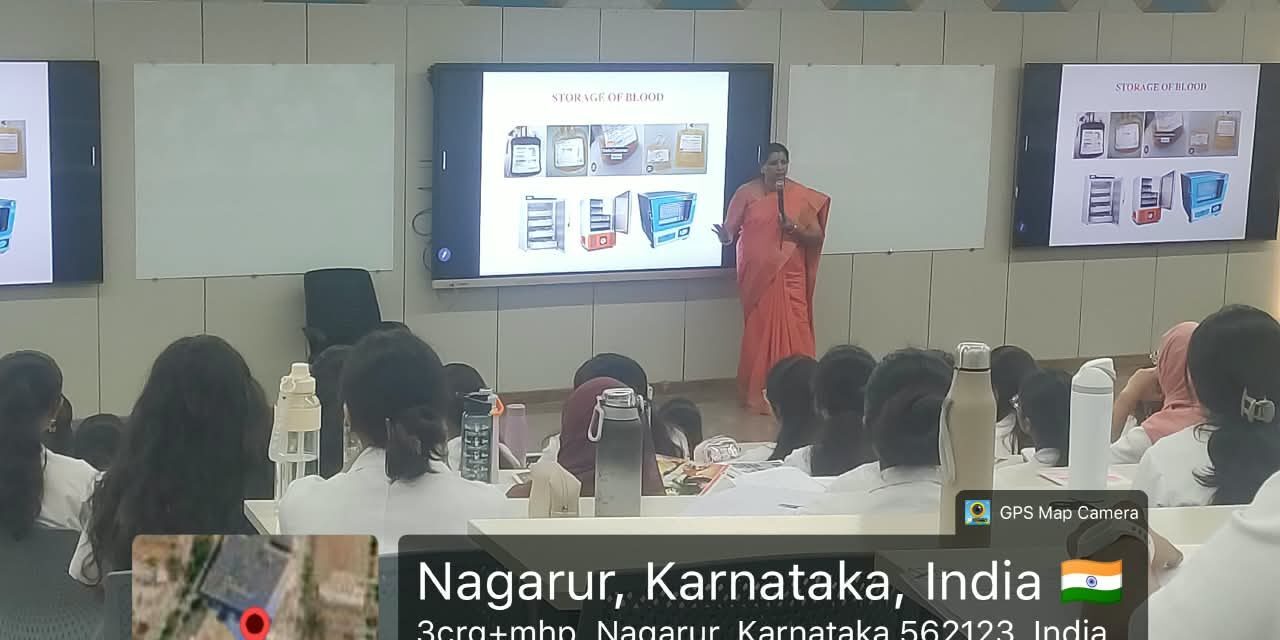
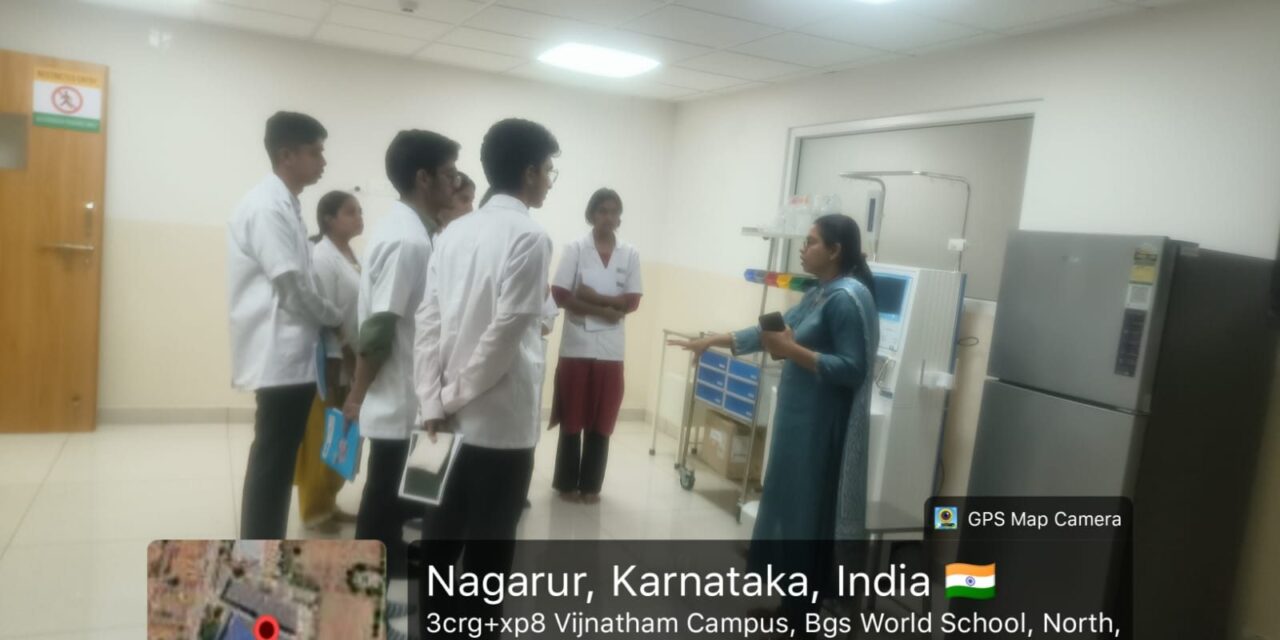
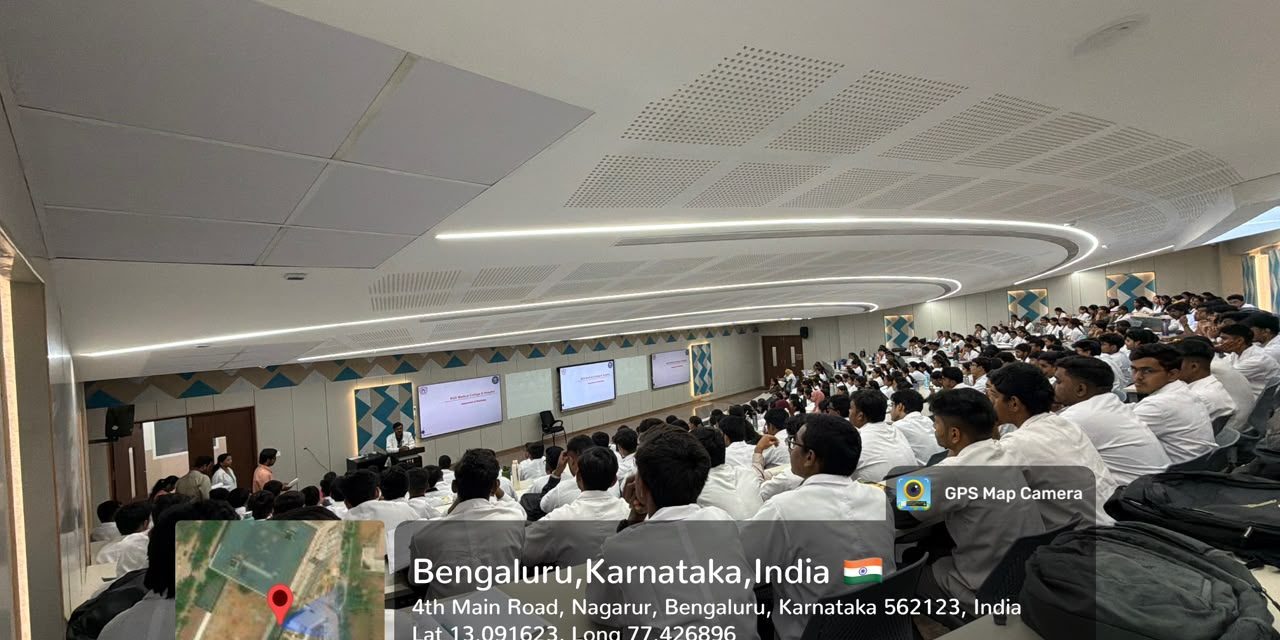
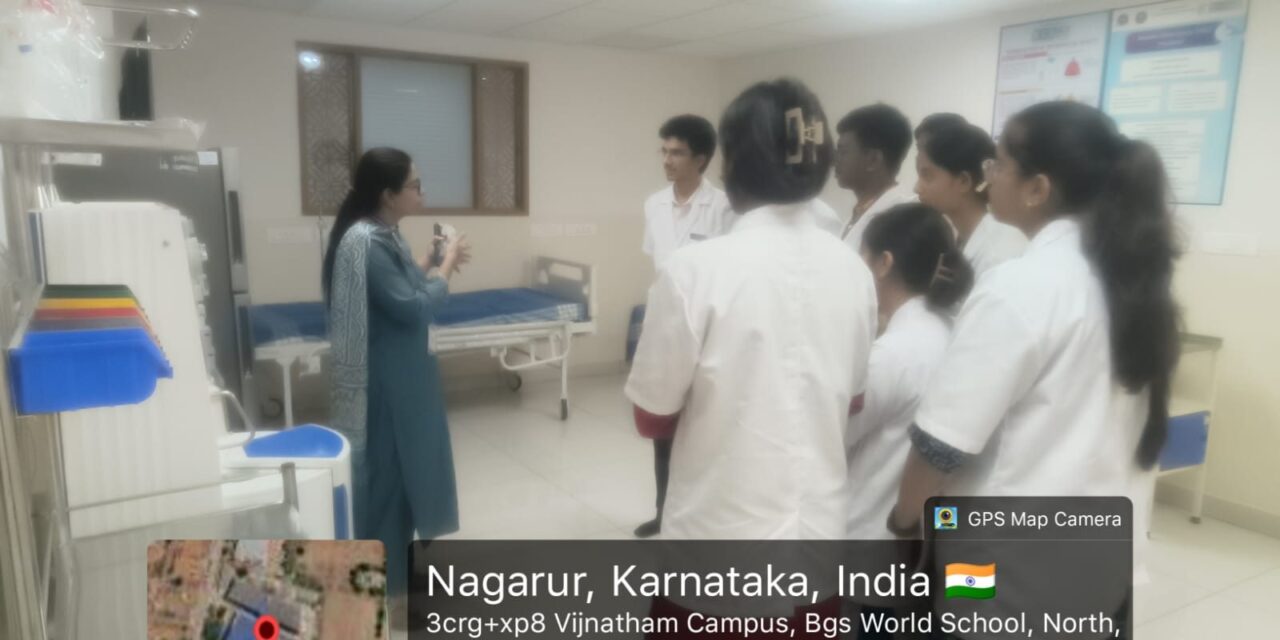
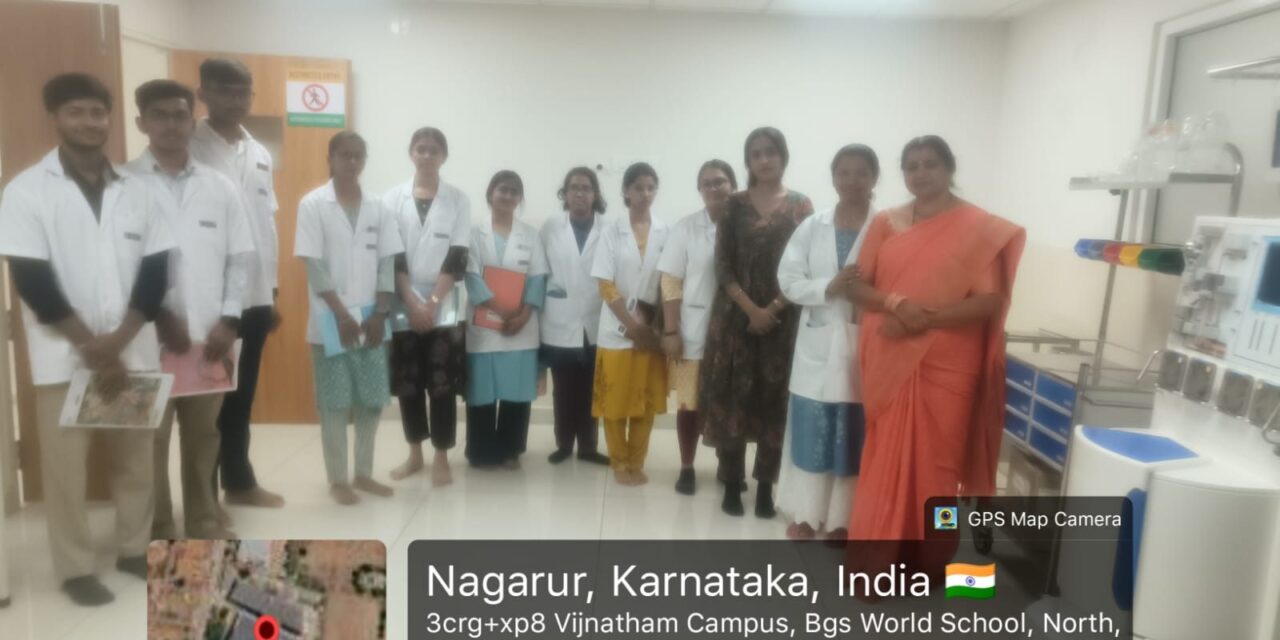
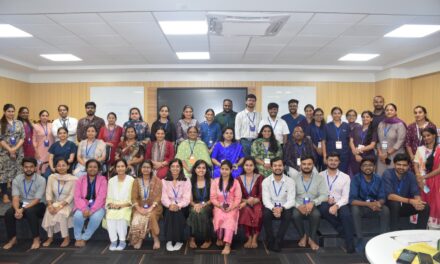
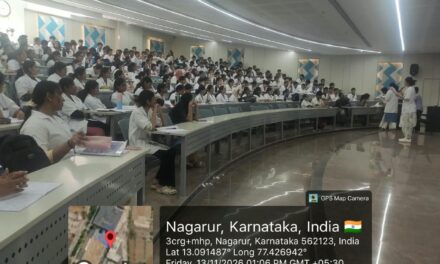
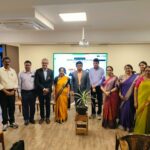
The Department of Physiology at BGS Global Institute of Medical Sciences successfully organized a comprehensive Early Clinical Exposure session on Blood Banking and Transfusion Medicine for the first year MBBS student batch of 2026-2027. Held on November 13, 2026, at the BGS MCH Hospital Blood Bank in Nagarur, the program was designed to provide foundational medical students with practical insights into the clinical operations of a modern blood bank. By bridging the gap between classroom theory and real world application, the session aimed to familiarize students with essential procedures such as blood collection, testing, processing, and safe transfusion practices.
The academic program commenced with an introductory briefing by Dr. Sudhir G.K., Professor and Head of the Department of Physiology, who detailed the educational objectives and the overarching significance of clinical exposure in early medical training. Dr. R. Sreelatha, Professor and Head of the Department of Immunohematology and Blood Transfusion, further briefed the students on the logistical flow of the hospital visit. To establish a baseline for learning outcomes, a preliminary assessment was conducted through a pre test, measuring the students existing knowledge of hematological principles and transfusion medicine.
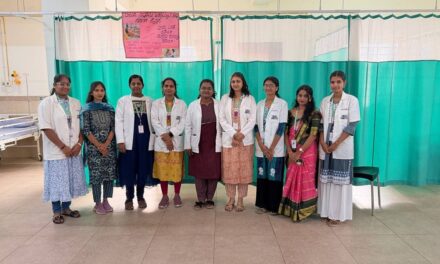
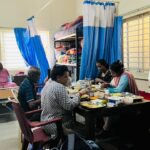
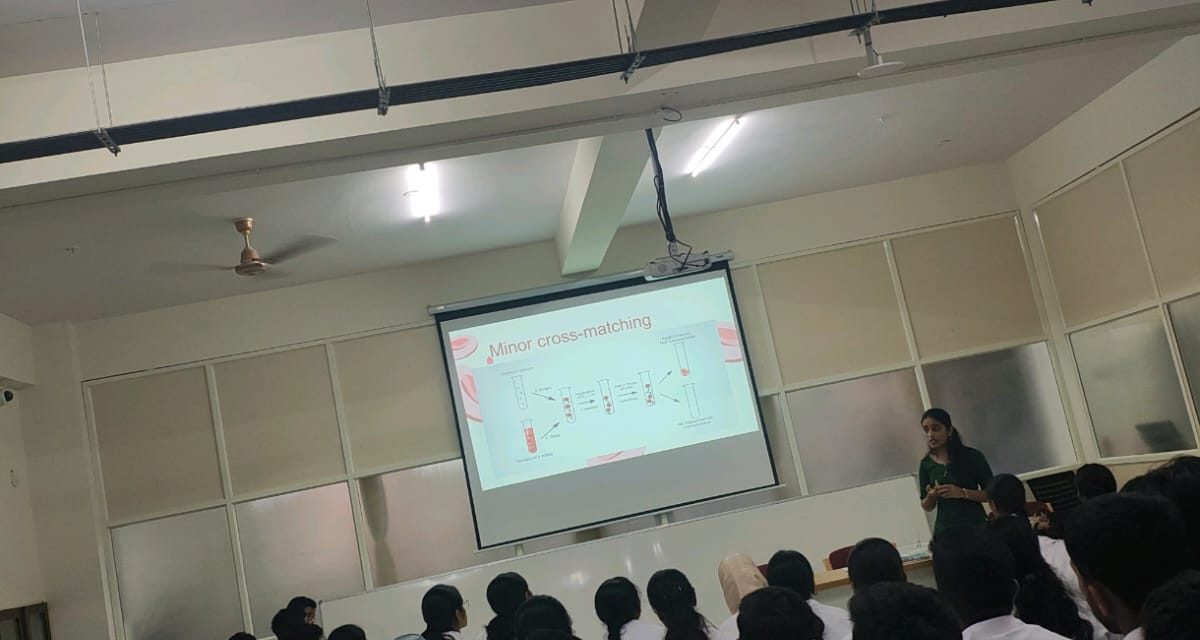
To ensure an intimate and effective learning environment, the cohort of two hundred and forty five students was organized into smaller batches under the supervision of Dr. Leena S. Hiremath. These groups rotated through various specialized sessions, starting with an in depth overview led by Dr. R. Sreelatha regarding the critical role blood banks play in patient care and the rigorous protocols required to ensure recipient safety. This was complemented by hands on demonstrations in the Hematology Laboratory, where students observed the technical intricacies of blood grouping and cross matching procedures necessary for determining compatibility.
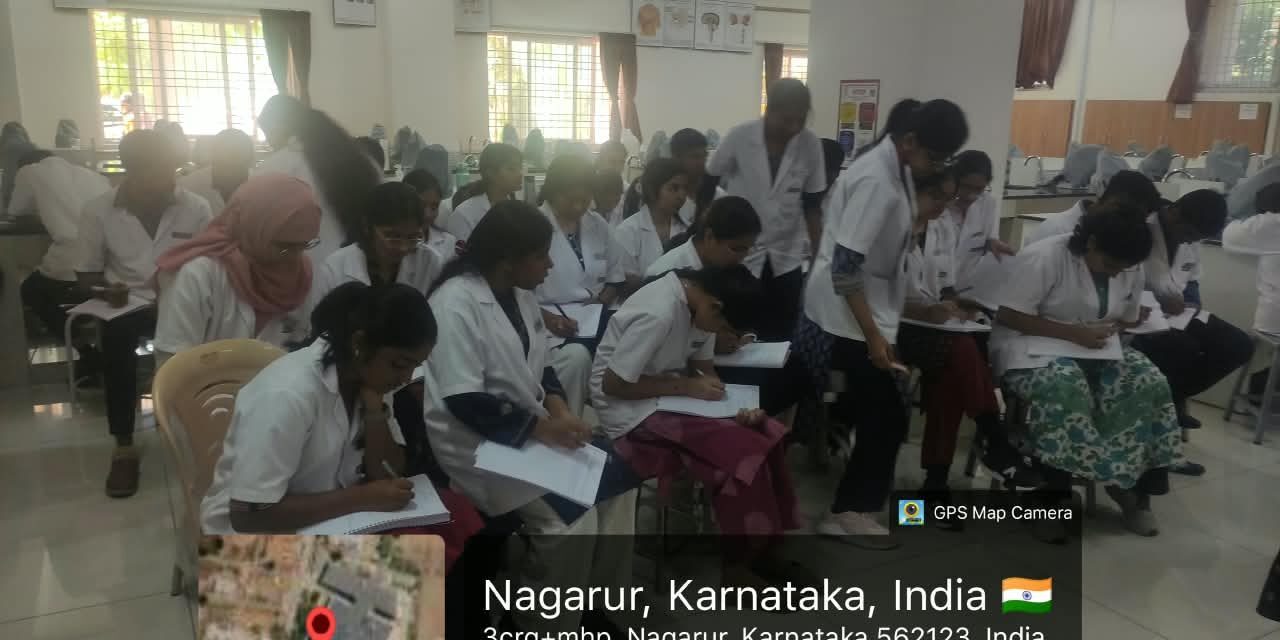
Further educational enhancement was provided through curated video demonstrations that illustrated the systematic workflow of a blood bank. These presentations covered every stage of the process, including donor screening, component separation, and the stringent storage requirements for different blood products. Following each technical rotation, students engaged in reflective writing and evaluations. This pedagogical approach encouraged the future physicians to document their observations, clarify complex concepts, and reflect on the clinical relevance of blood banking in the broader context of healthcare systems.
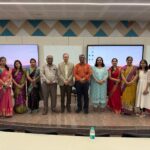
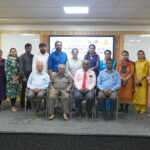
The program concluded with a plenary session in the lecture hall, featuring a post test and an oral reflection period. During this final phase, students shared their key takeaways and provided feedback on the instructional methodology. The event was supported by a dedicated team of faculty and staff, including Dr. Akarsh M.S., Dr. Arun N., Dr. Ashwini Satalagaon, and several other department tutors and laboratory technicians. This initiative exemplifies the commitment of the institution to providing holistic medical education that prepares students for the complexities of modern clinical practice.