




Dr. Suresh D. R. from BGS Medical College & Hospital Invited as Guest Speaker for CME on Laboratory Quality Excellence at Sri Siddhartha Medical College and Hospital
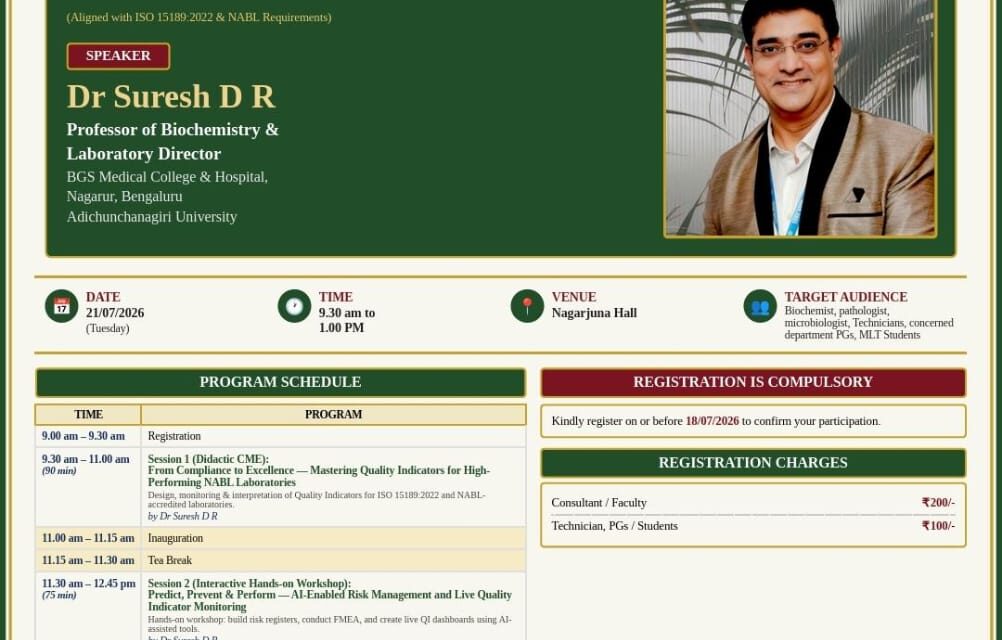
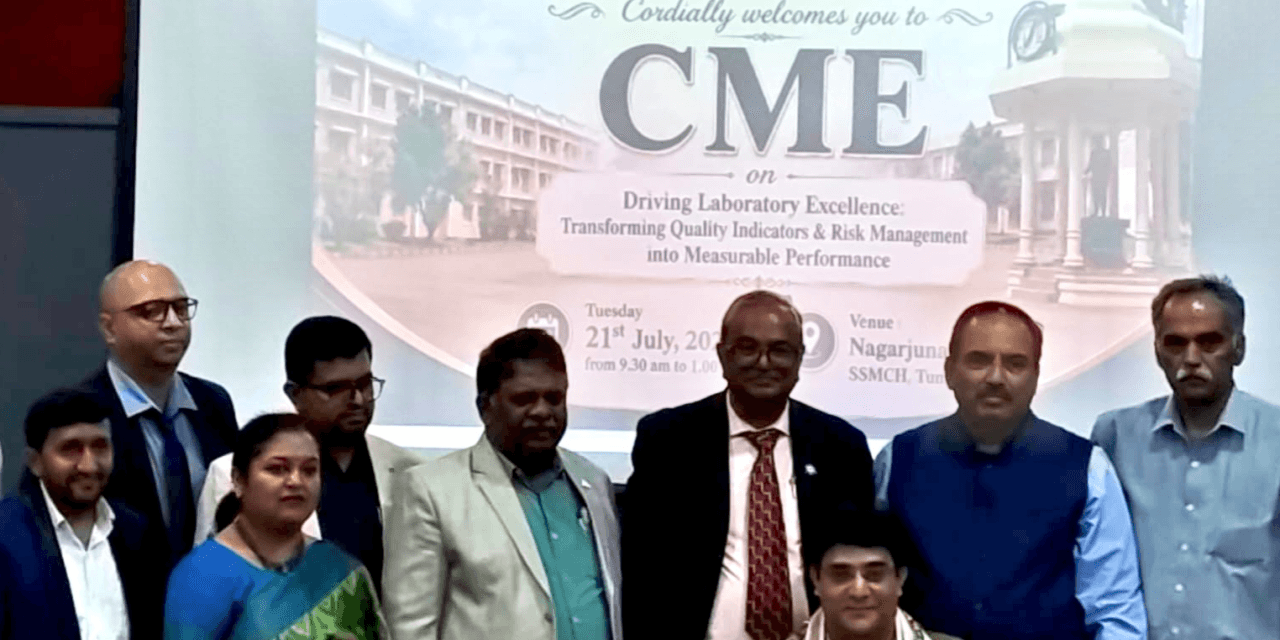
Sri Siddhartha Medical College and Hospital, a constituent unit of the Sri Siddhartha Academy of Higher Education, recently organized an impactful Continuing Medical Education program titled Driving Laboratory Excellence: Transforming Quality Indicators and Risk Management into Measurable Performance. Held at the Nagarjuna Hall in Tumkur, the event was a collaborative initiative spearheaded by the Departments of Biochemistry and Pathology. The primary objective of the session was to bridge the gap between theoretical laboratory standards and practical clinical implementation, specifically focusing on the rigorous frameworks established by ISO 15189:2022 and the National Accreditation Board for Testing and Calibration Laboratories.
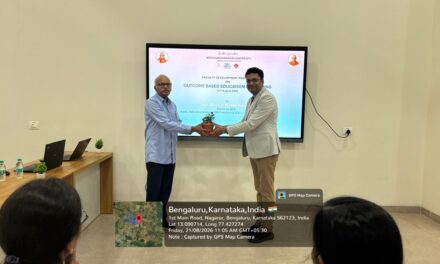
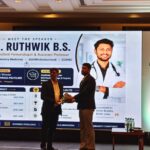
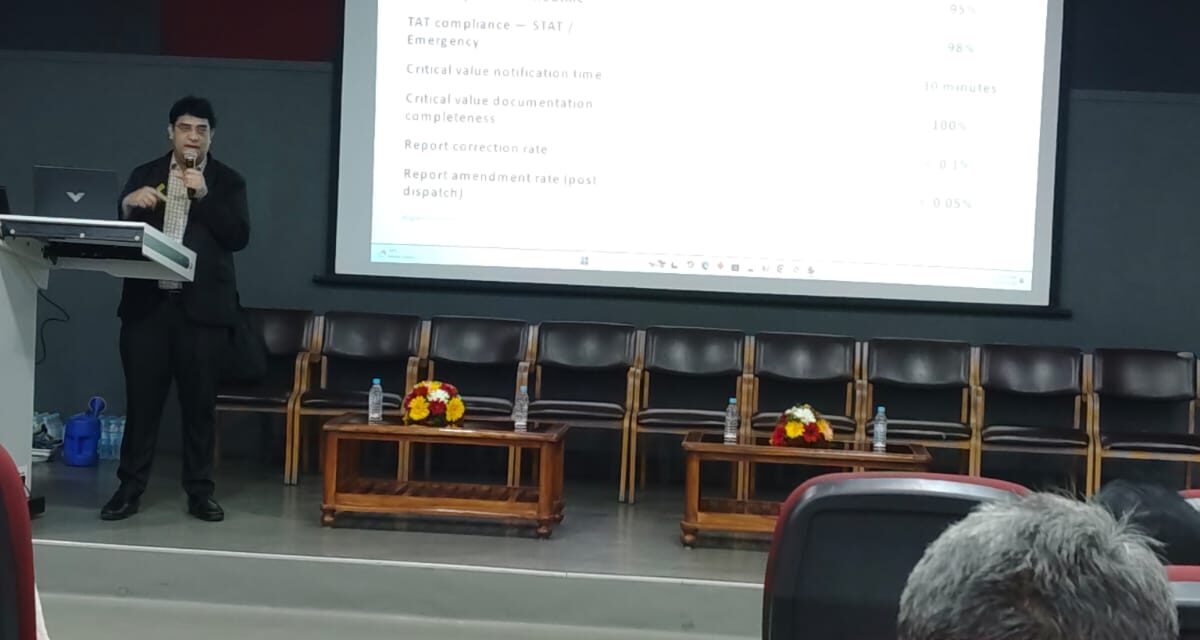
The program featured Dr. Suresh D R, Professor of Biochemistry and Central Laboratory Director at BGSMCH, as the guest speaker. Dr. Suresh delivered a comprehensive didactic session that addressed the evolving landscape of diagnostic excellence. He emphasized the necessity of aligning laboratory operations with modern international standards, highlighting how meticulous adherence to quality indicators can significantly enhance patient safety and diagnostic accuracy. His insights provided a roadmap for institutions seeking to elevate their clinical services through structured compliance and systematic performance evaluation.
Following the lecture, the event transitioned into a specialized workshop designed to provide attendees with practical experience in modern laboratory management. The participants, comprising biochemists, pathologists, microbiologists, laboratory technicians, and postgraduate students, engaged in hands-on activities centered on artificial intelligence-enabled risk management. A significant portion of the workshop was dedicated to Failure Mode and Effects Analysis, alongside the real-time monitoring of live Quality Indicator dashboards. This interactive segment allowed delegates to visualize data-driven decision-making processes that are essential for contemporary healthcare environments.
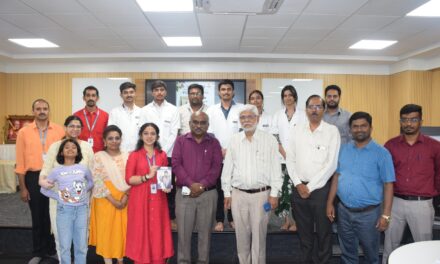
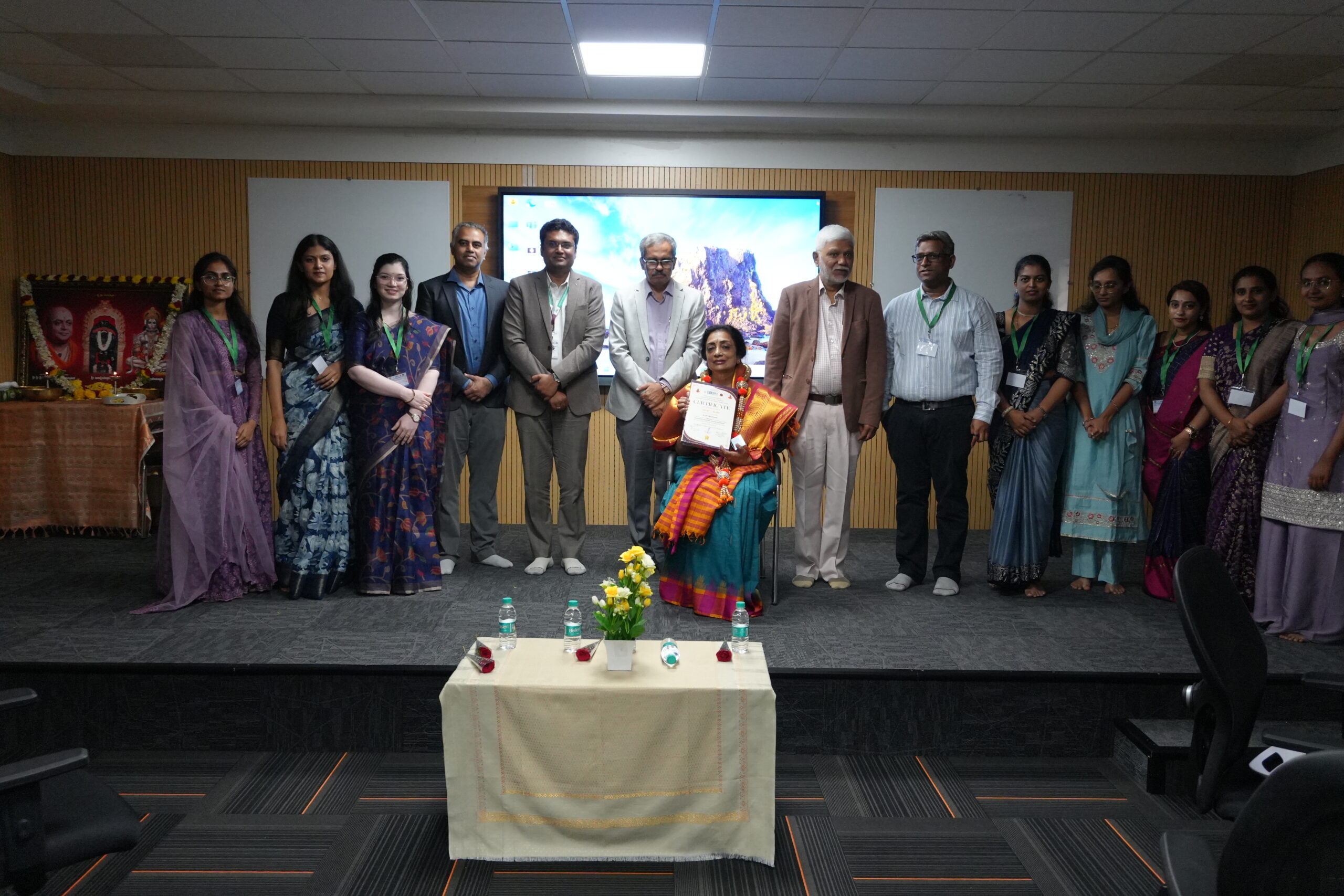
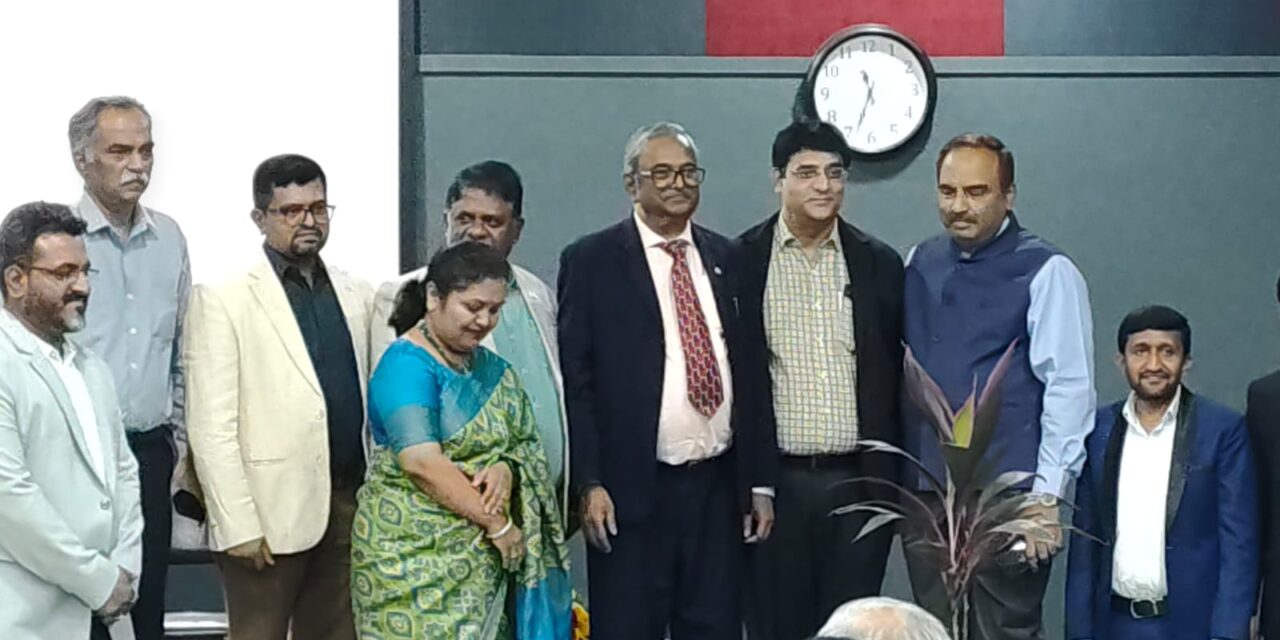
The CME concluded with high praise from the diverse group of attendees, who noted the practical relevance of the topics discussed. During the closing ceremony, certificates were distributed to all participants to recognize their professional development. Furthermore, each delegate received a complimentary AI-Powered Quality and Risk Management Toolkit. This resource was provided to ensure that the knowledge gained during the session could be translated into actionable improvements within their respective laboratories, fostering a culture of continuous quality improvement across the region.