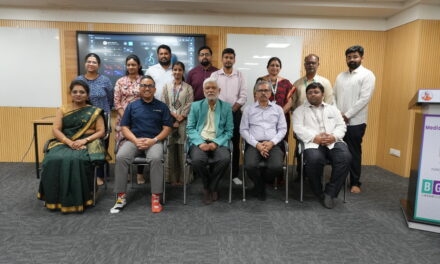






Departments of Pathology and Community Medicine Conduct Academic Session on Frozen Section Diagnostics at BGS Medical College and Hospital, Nagaruru
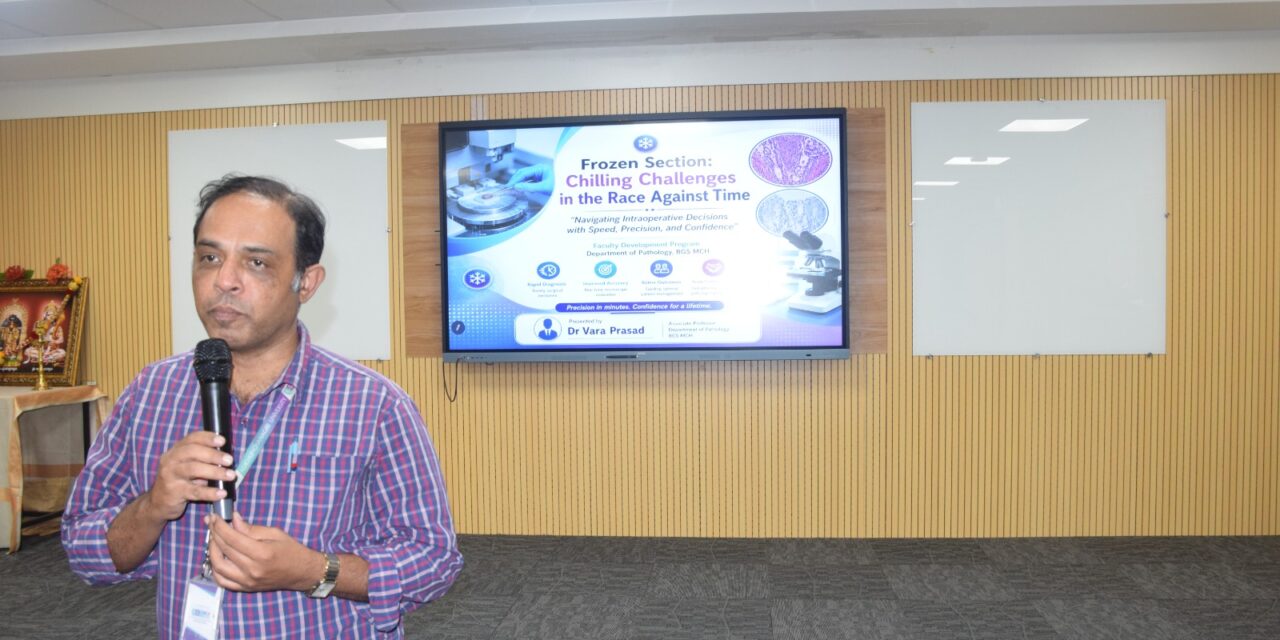
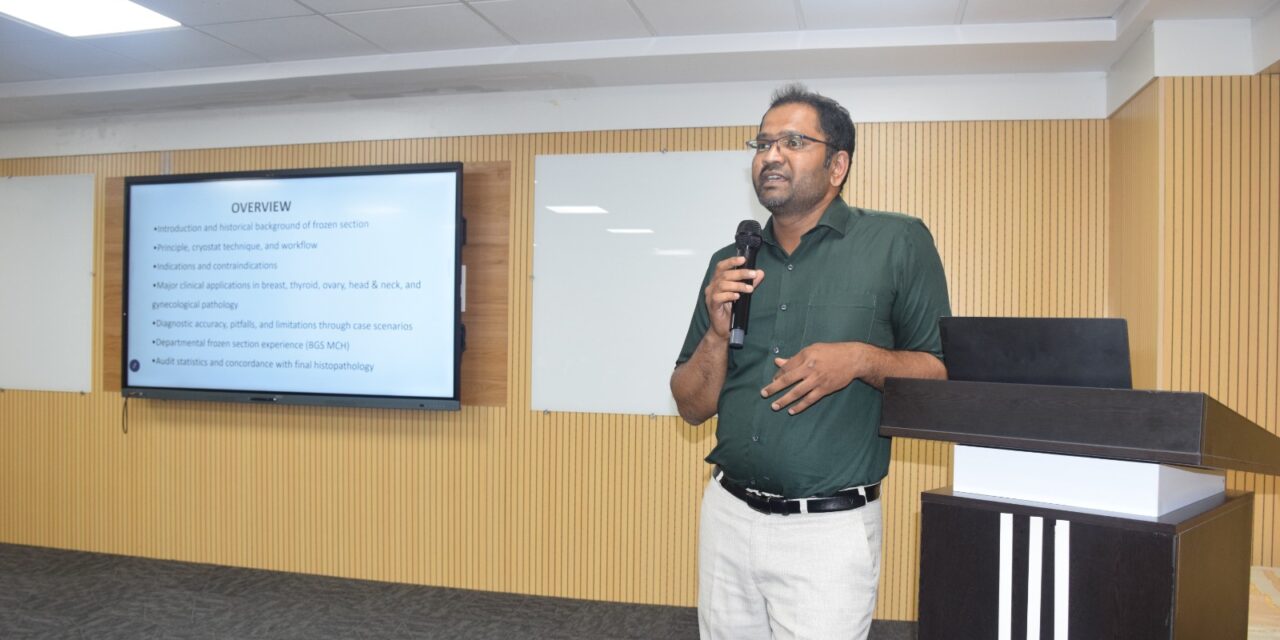
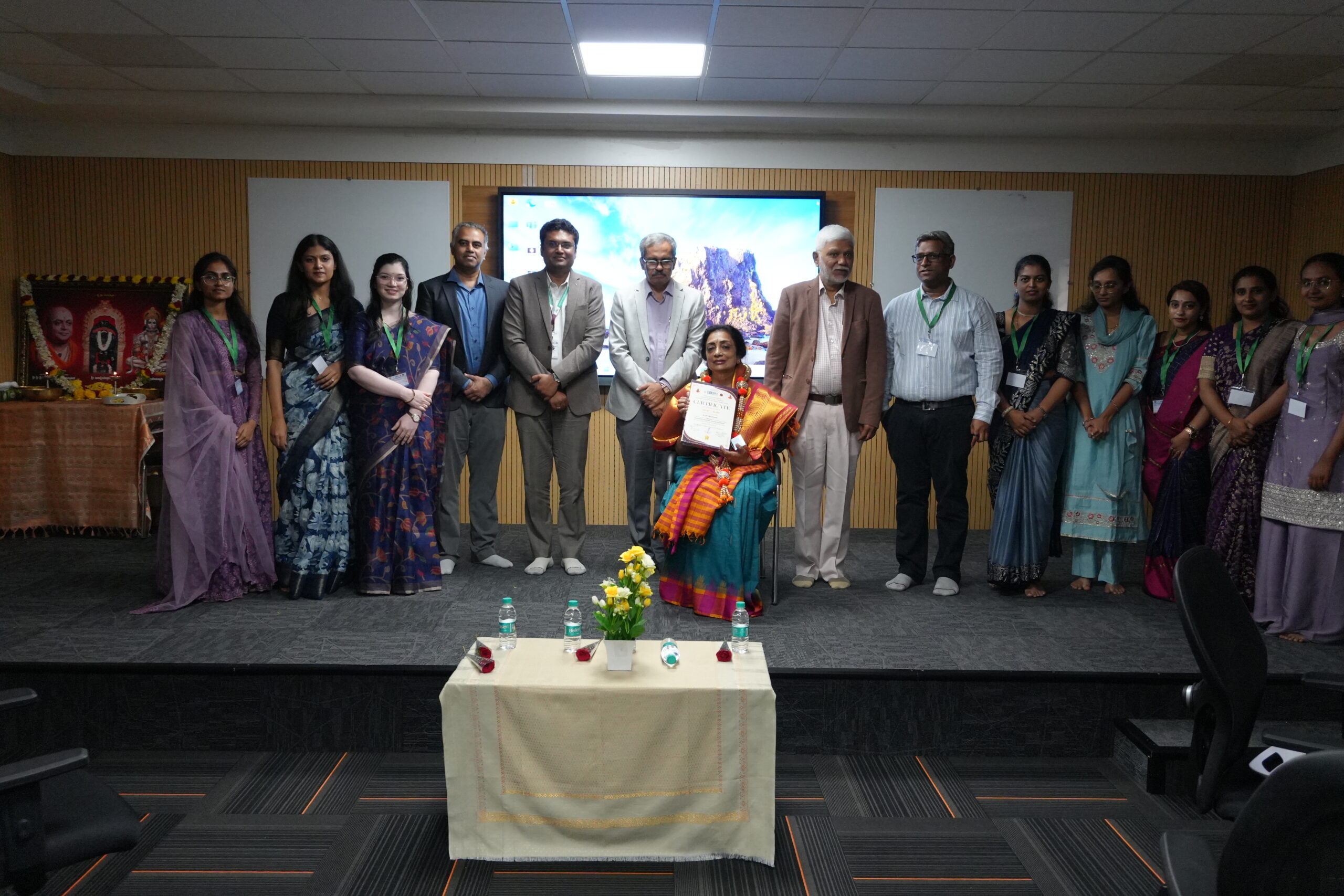
The Departments of Pathology and Community Medicine at BGS Medical College and Hospital successfully hosted a specialized academic session titled “Frozen Section: Chilling Challenges in the Race Against Time – Navigating Intraoperative Decisions with Speed, Precision, and Confidence” on July 22, 2026. Held at the MEU Hall, the event focused on the intricate and demanding nature of intraoperative pathological consultations, where rapid diagnostic accuracy is vital for surgical success. The session served as a valuable platform for faculty members, postgraduate students, and medical professionals to deepen their understanding of one of the most challenging areas of diagnostic medicine.
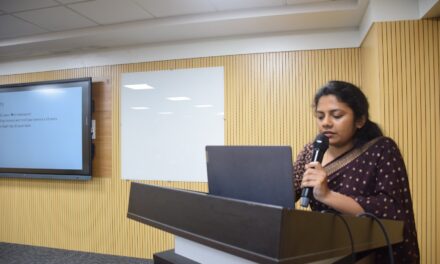
Dr. Varaprasad B. M., Associate Professor in the Department of Pathology at BGS Medical College and Hospital, served as the primary resource person for the event. During his comprehensive presentation, Dr. Varaprasad detailed the essential principles and workflows governing frozen section examinations. He articulated the pivotal role these diagnoses play in guiding immediate surgical interventions, emphasizing that the pathologist’s assessment during these critical moments directly influences the extent of surgical resection and overall patient management. The lecture meticulously covered the sequence of events from initial specimen handling to the final communication of results to the operating team.
A significant portion of the discourse was dedicated to the technical complexities and inherent challenges of the procedure. Dr. Varaprasad addressed the common hurdles faced by pathologists, including sampling errors and the technical nuances of tissue processing such as freezing artifacts. By presenting a series of illustrative clinical cases, he highlighted potential diagnostic pitfalls and the specific limitations associated with frozen section techniques. These practical examples provided attendees with a realistic perspective on maintaining diagnostic integrity under significant time constraints.
The academic session also underscored the importance of multidisciplinary collaboration between surgeons and pathologists. The resource person stressed that accuracy and timely reporting are the cornerstones of patient safety and optimal surgical outcomes. By fostering a deeper understanding of quality assurance and best practices, the session aimed to standardize the high level of precision required in intraoperative pathology while promoting interdisciplinary learning among participants.
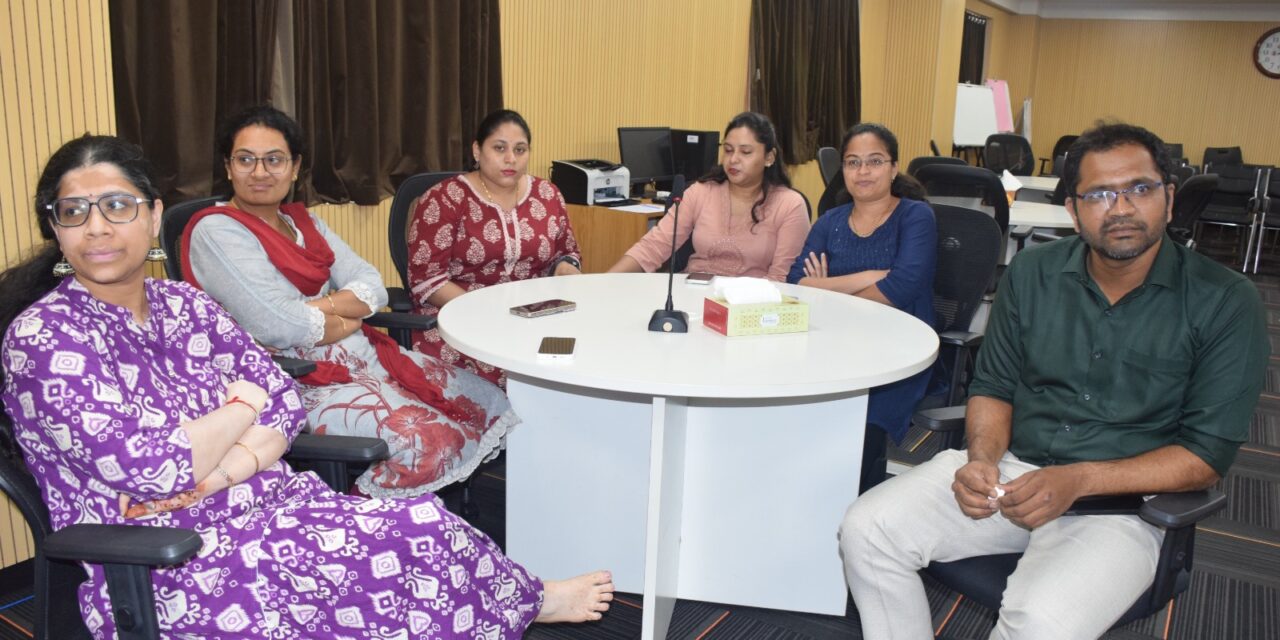
The program concluded with an engaging interactive discussion where participants exchanged insights on improving the efficiency of frozen section services. The dialogue facilitated a robust exploration of how pathologists can continue to strengthen real-time surgical decision-making through enhanced communication and refined technical expertise. This collaborative academic initiative by the Departments of Pathology and Community Medicine reaffirmed the institution’s commitment to advancing clinical excellence, interdisciplinary collaboration, and continuous professional development.