




Happiest Health Podcast at St. John’s Research Institute Explores Child and Adolescent Behavioral Health in the Digital Age

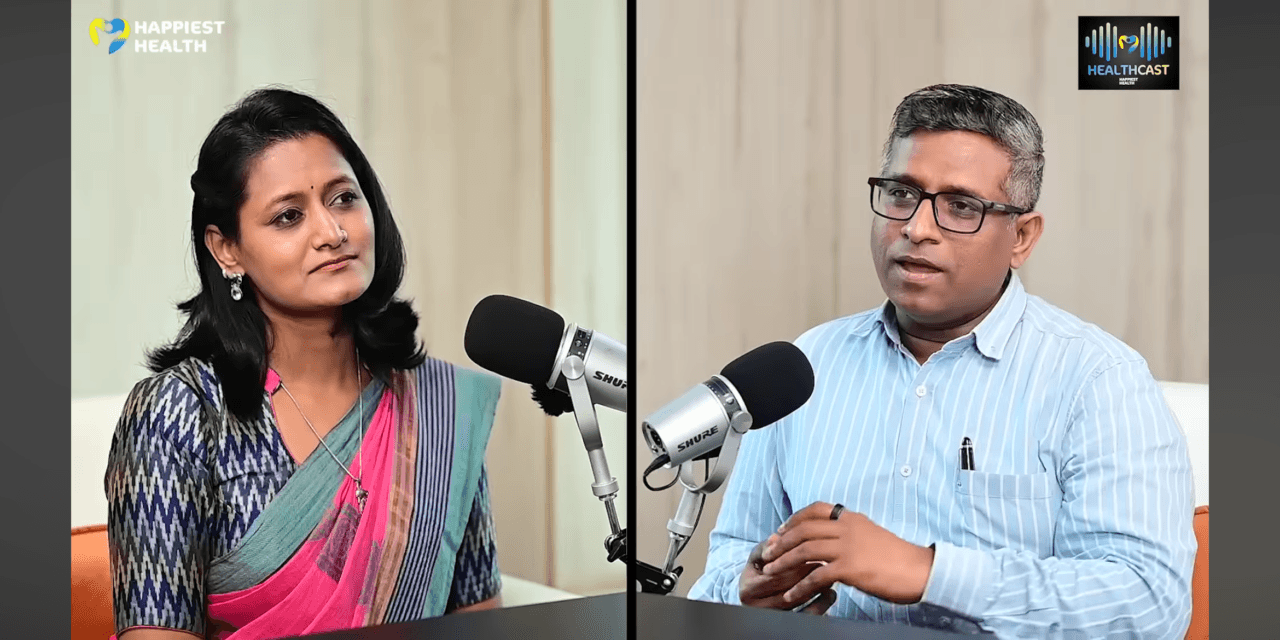
The St Johns Research Institute recently served as the venue for a comprehensive podcast session organized by Happiest Health, focusing on the critical psychological and developmental transitions occurring within the child and adolescent populations. The recorded discussion aimed to address the multifaceted nature of behavioral issues that increasingly define the modern developmental landscape. By bringing together academic insights and practical observations, the session provided a nuanced exploration of the mental health challenges faced by the youth today.
A primary focus of the dialogue was the evolution of behavioral components and the strategies required to manage complex emotional outputs in children. The participants engaged in a detailed comparative analysis between past and present societal frameworks, noting how the rapid shift in communication patterns has fundamentally altered the parent child relationship. The discussion highlighted that while the core psychological needs of adolescents remain consistent, the external pressures of a digital age necessitate a modernized approach to parental guidance and intervention.
The session featured significant contributions from Ms Pallavi, Assistant Editor at Happiest Health, who facilitated the exploration of effective communication strategies. The discourse emphasized the importance of parental adaptability and the need for caregivers to understand the systemic changes in how younger generations process information and social cues. By contrasting traditional methods with contemporary requirements, the podcast provided a roadmap for families to navigate behavioral volatility with empathy and evidence based techniques.
This initiative underscores a growing institutional commitment to public health education and proactive mental health advocacy. By leveraging the expertise available at the St Johns Research Institute, the organizers successfully bridged the gap between clinical understanding and daily caregiving practices. The outcomes of this discussion are expected to serve as a valuable resource for educators, mental health professionals, and parents seeking to foster resilient environments for the next generation.