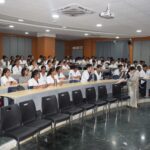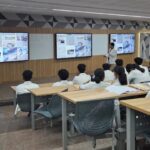


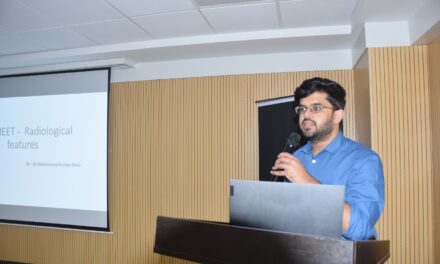


IAP Complementary Feeding Awareness Day Celebrations 2025 at UPHC, Abbhigere
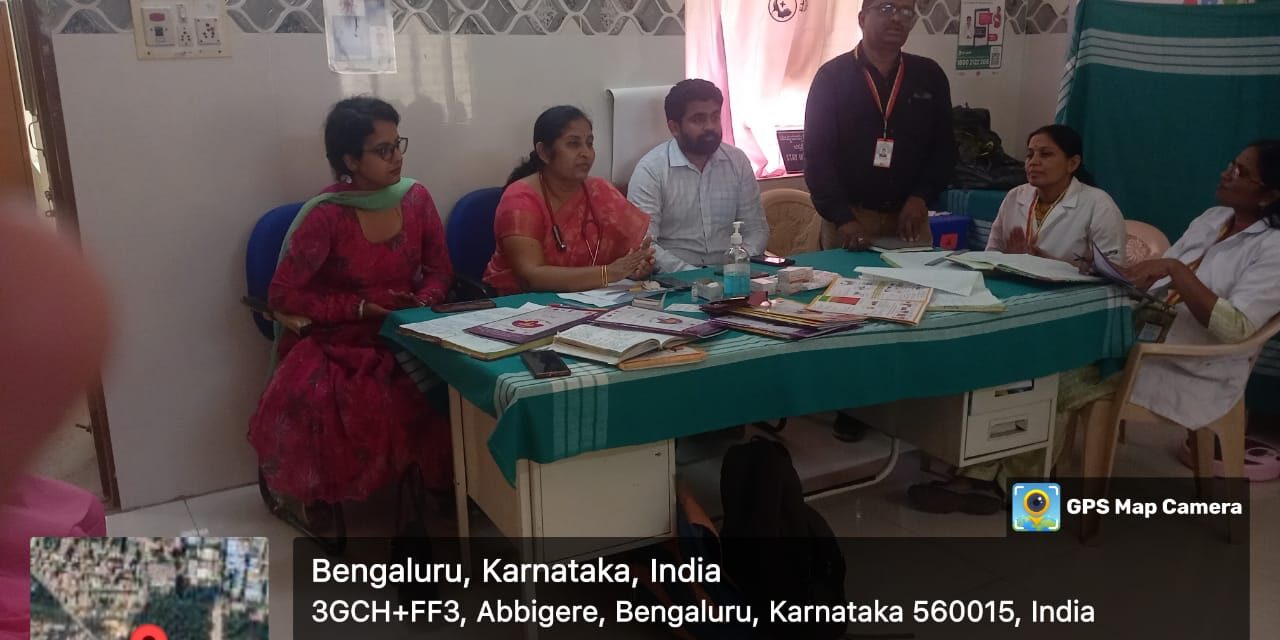
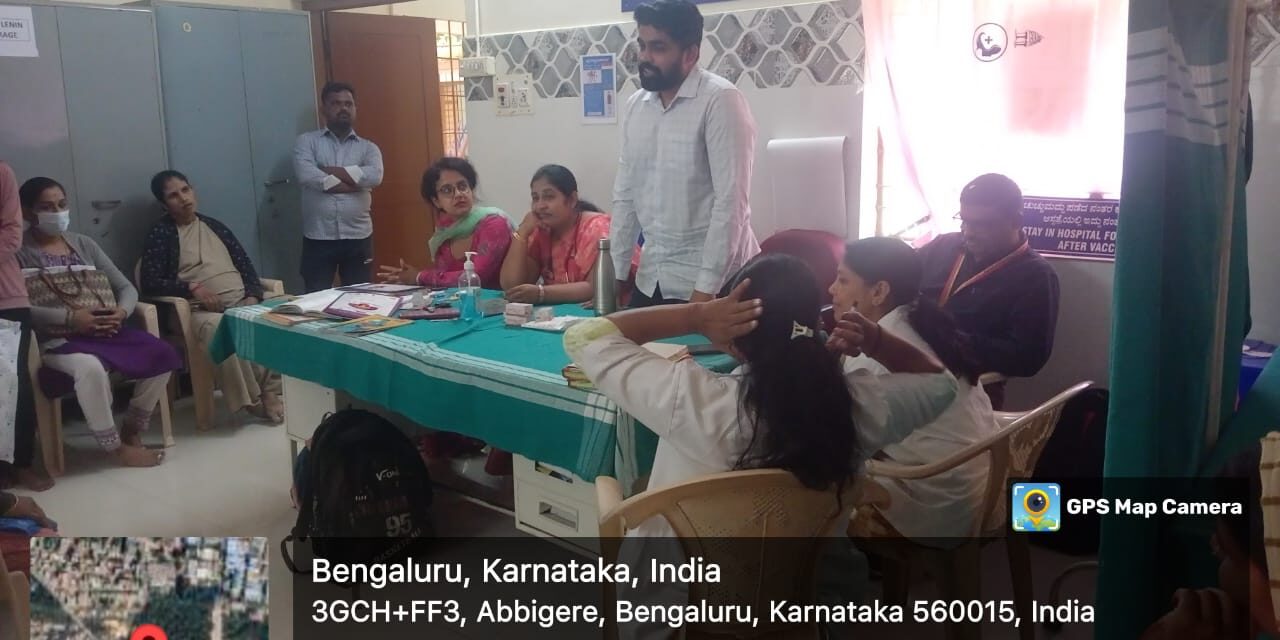
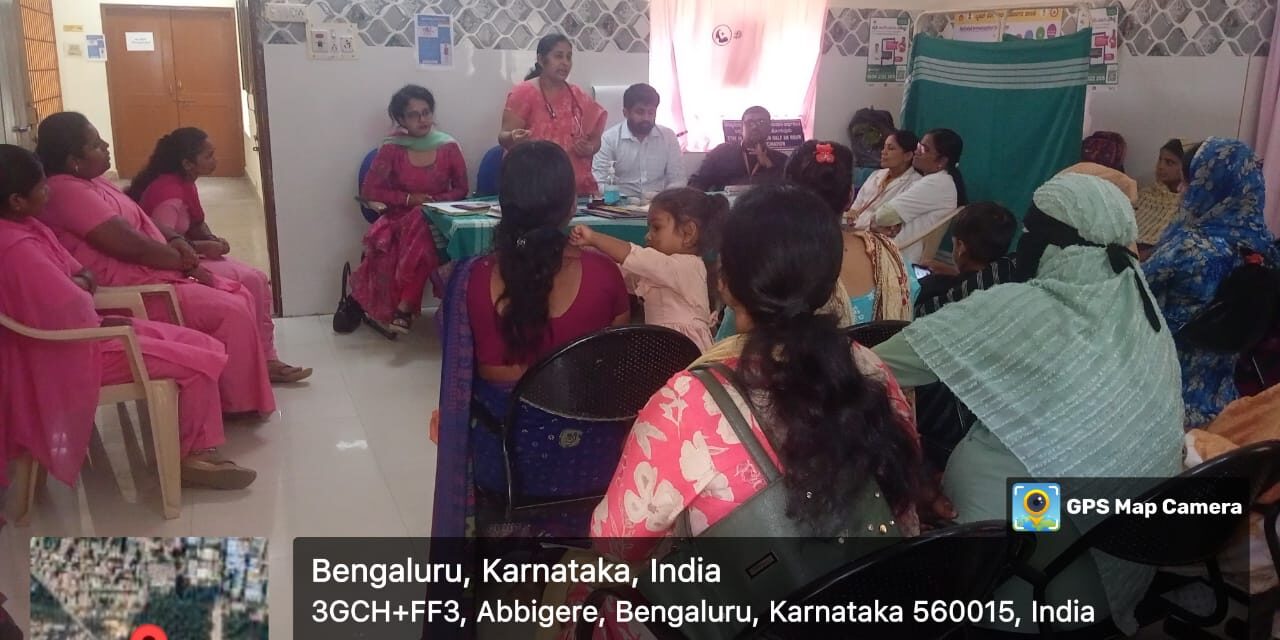
Complementary Feeding Awareness Day was observed today at UPHC, Abbhigere from the Department of Paediatrics in collaboration with Department of Community Medicine to raise awareness about the importance of proper infant nutrition, beginning at six months of age..
Dr. Sindhu Shankar S, Assistant Professor and UPHC in-charge from the department of Community Medicine, opened the session by highlighting the vital role of complementary feeding in infant growth and health and also emphasised my talk on these points i.e Breast milk alone becomes insufficient after 6 months of age, Complementary foods should be introduced at six months while continuing breastfeeding up to two years and beyond, Early or late introduction can lead to malnutrition, stunting, or developmental delays and The quality, quantity, and frequency of food play crucial roles in meeting an infant’s nutritional demands.
Dr. Mamatha , Assistant Professor from Department of Pediatrics, delivered a detailed talk on what to feed children during the complementary feeding phase.
Recommended Foods:
- Staples: Rice-lentil mixtures in 2:1 ratio (rich in protein and energy).
- Vegetables and Fruits: Mashed or pureed forms of pumpkin, banana, apple, carrot.
- Proteins: Well-cooked egg yolk, chicken, and legumes (easy to digest).
- Dairy: Small portions of curd and paneer.
Foods to Avoid:
- Added salt and sugar in any form.
- Processed or packaged foods and beverages.
- Foods posing choking risks like whole nuts, large fruit pieces.
She stressed the importance of feeding frequency (3–4 meals/day with 1–2 snacks) and responsive feeding practices—encouraging but not forcing the child.
Dr. Yogi, Senior Resident from Department of Obstetrics and Gynecology, elaborated on maternal nutrition during pregnancy and after childbirth, and its impact on infant feeding outcomes.
Antenatal Nutrition:
- Balanced intake of iron, folic acid, calcium, protein and micronutrients.
- Regular use of supplements as prescribed.
- Adequate fluid intake and management of common deficiencies like anemia.
Postnatal Nutrition:
- Ensuring a nutritionally adequate diet for the mother to support lactation.
- Continued breastfeeding within one hour of delivery and exclusively for 6 months.
• Importance of postpartum follow-ups to track maternal and infant health.