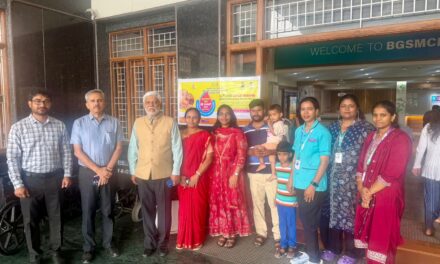



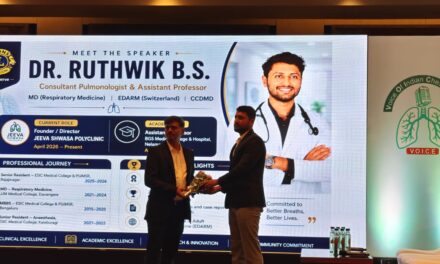


HPV Vaccine drive 2 Nd Dose (Medical students) at BGS Medical College and Hospital, Nagaruru
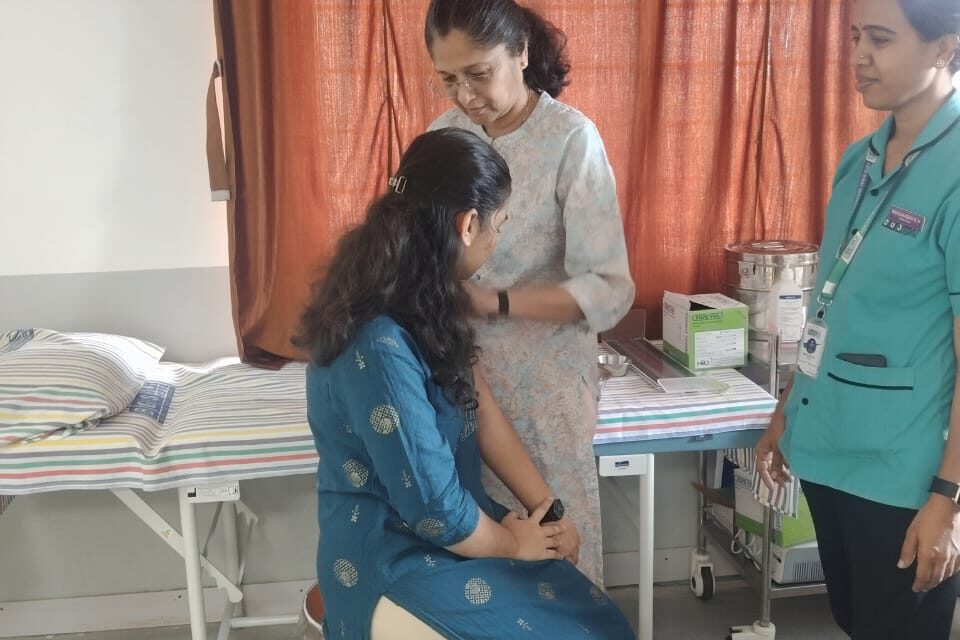
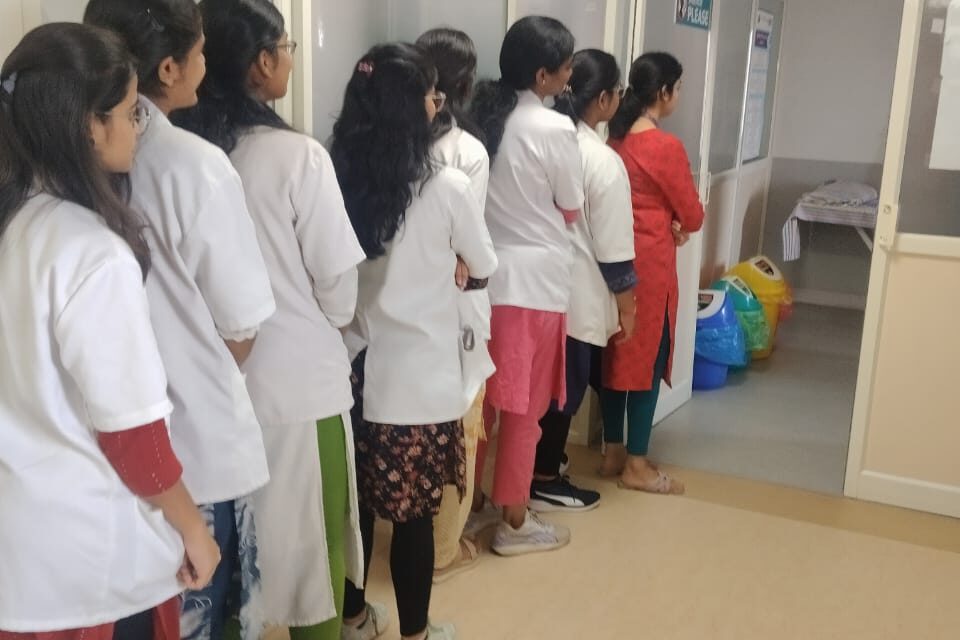
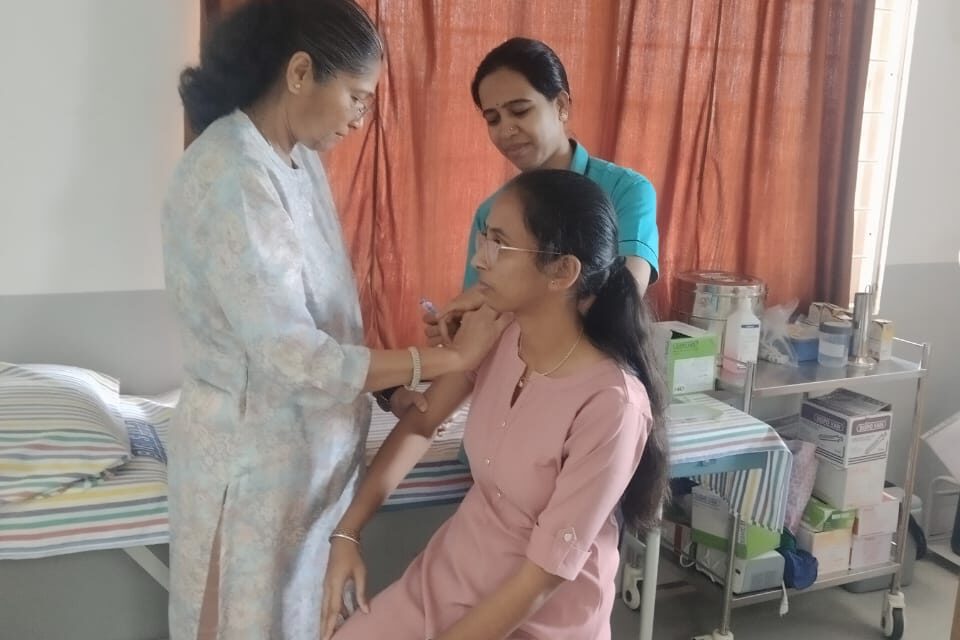
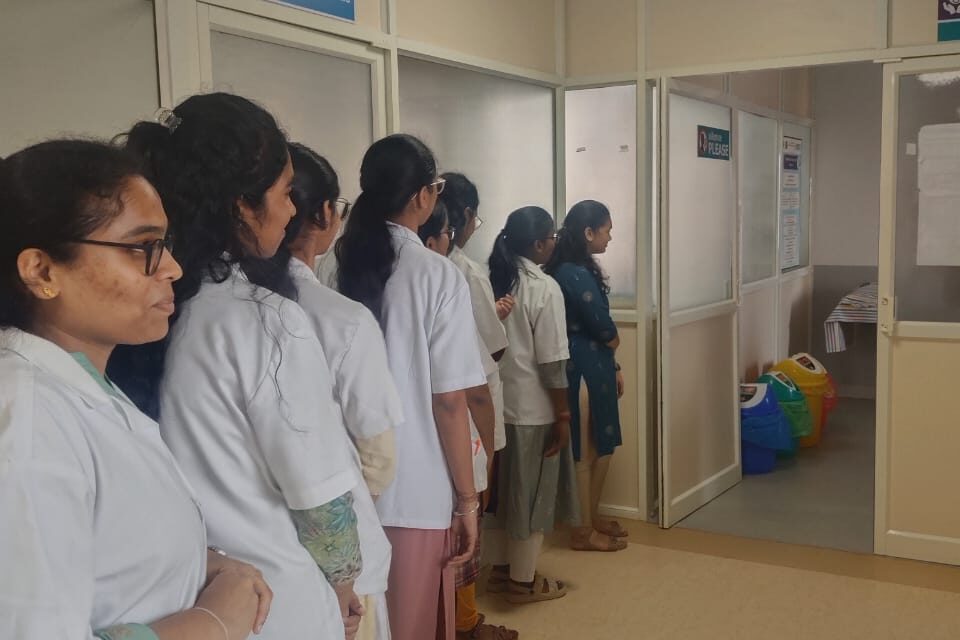

The Human Papillomavirus (HPV) Vaccination Two-Dose Drive was successfully conducted for medical students of BGSMCH on 11 February 2026 by the Department of Paediatrics, under the guidance of Dr. Ramesh M, Professor and Head of the Department.
This institutional initiative was undertaken with the objective of enhancing awareness and uptake of HPV vaccination among future healthcare professionals, recognizing their dual role as beneficiaries and advocates of preventive health strategies. The program emphasized the epidemiological burden of HPV infection, its established causal association with cervical cancer and other anogenital and oropharyngeal malignancies, and the strong evidence supporting vaccine efficacy and safety. Particular focus was placed on the two-dose HPV vaccination schedule, recommended for adolescents and young adults initiating vaccination at an early age, in alignment with national and international immunization guidelines.
The vaccination drive was accompanied by brief educational interactions addressing vaccine indications, dosing intervals, contraindications, and common misconceptions, thereby reinforcing evidence-based preventive practices. The initiative reflects the Department of Paediatrics’ continued commitment to adolescent health, cancer prevention, and capacity building among medical students through practical public health interventions.
The HPV two-dose vaccination drive conducted on 11 February 2026 at BGSMCH by the Department of Paediatrics, under the guidance of Dr. Ramesh M, achieved its intended public health and educational objectives. The program resulted in successful administration of the HPV vaccine to eligible medical students, thereby improving immediate vaccine coverage within this high-priority cohort.
In addition to immunization delivery, the drive significantly enhanced participants’ knowledge regarding HPV epidemiology, vaccine schedules, and long-term cancer prevention benefits. The interactive educational component helped address prevailing misconceptions and reinforced adherence to evidence-based immunization practices. Importantly, the initiative fostered positive vaccine acceptance attitudes among future physicians, strengthening their preparedness to advocate HPV vaccination in clinical and community settings.
Overall, the vaccination drive demonstrated the feasibility and effectiveness of institution-based preventive health interventions, contributing to both individual protection against HPV-related diseases and the broader goal of cervical cancer prevention through informed medical leadership.