



Vestibular Science in Practice: Exploring the Sixth sense of stability

Introduction
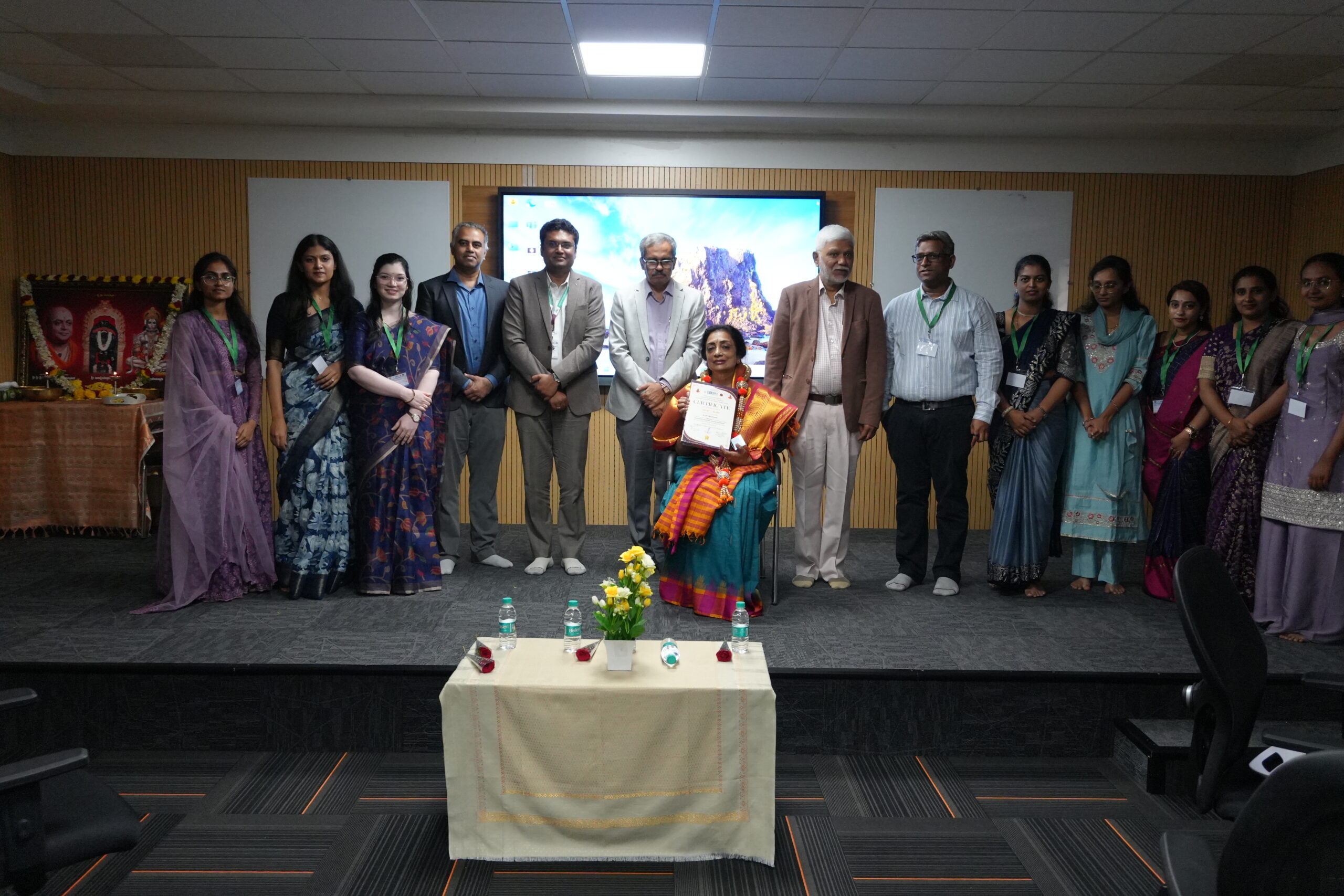
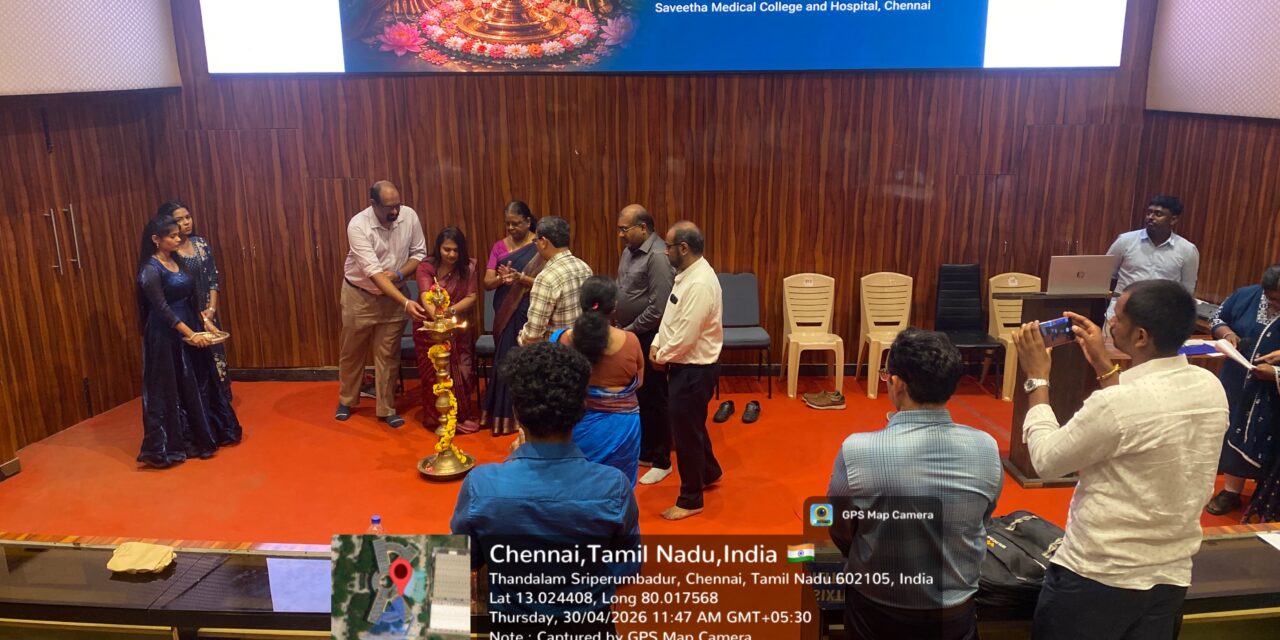
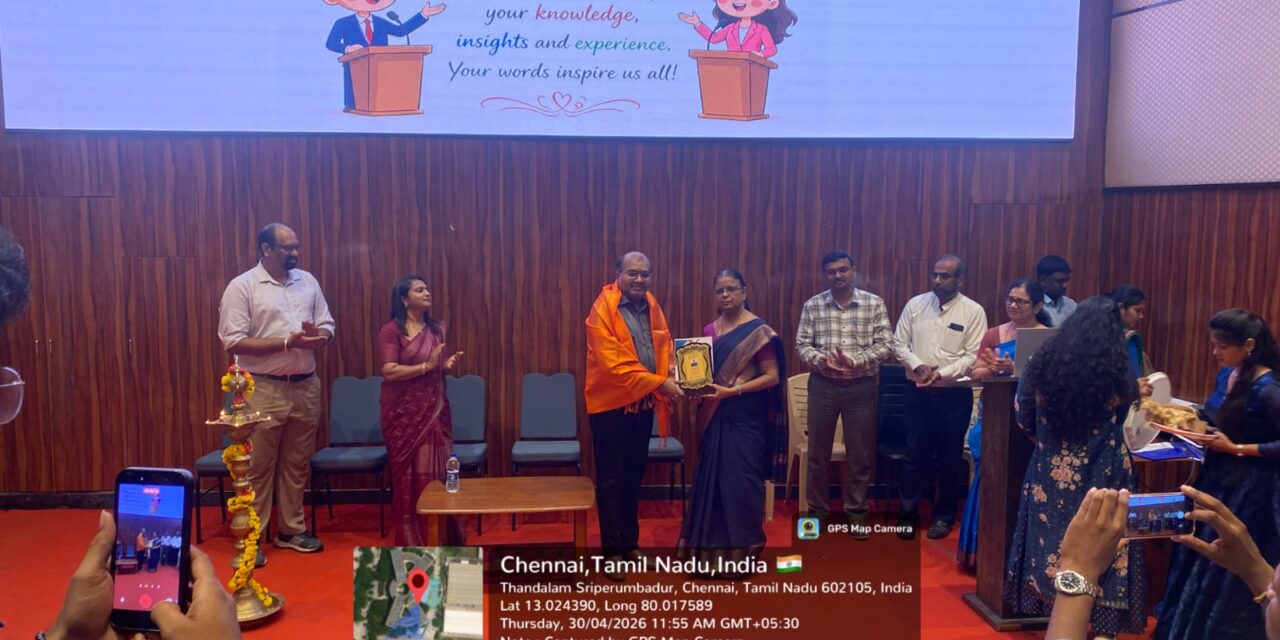
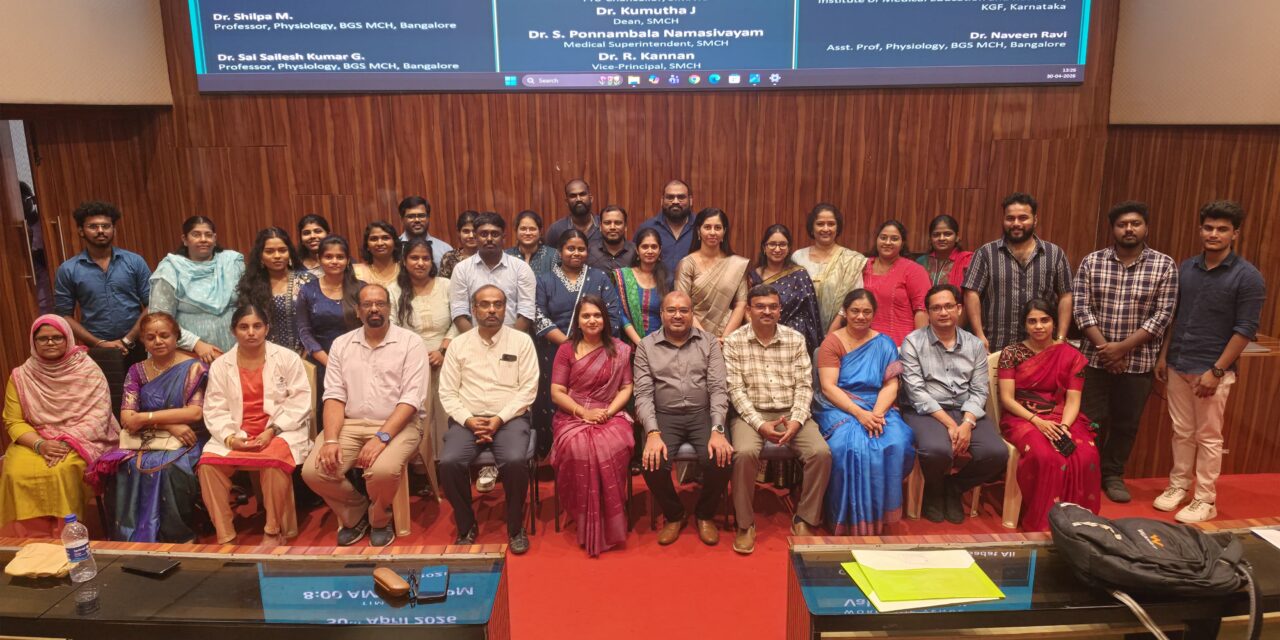
The CME and hands-on workshop titled “Vestibular Science in Practice: Exploring the Sixth Sense of Stability,” organized by the Department of Physiology, Saveetha Medical College and Hospital, on 30th April 2026, witnessed significant academic contributions from the faculty of BGS Medical College and Hospital (BGSMCH), who participated as external expert speakers and resource persons.
The programme provided an interdisciplinary platform to explore vestibular physiology, clinical applications, and emerging research perspectives in balance and spatial orientation.
Event Proceedings
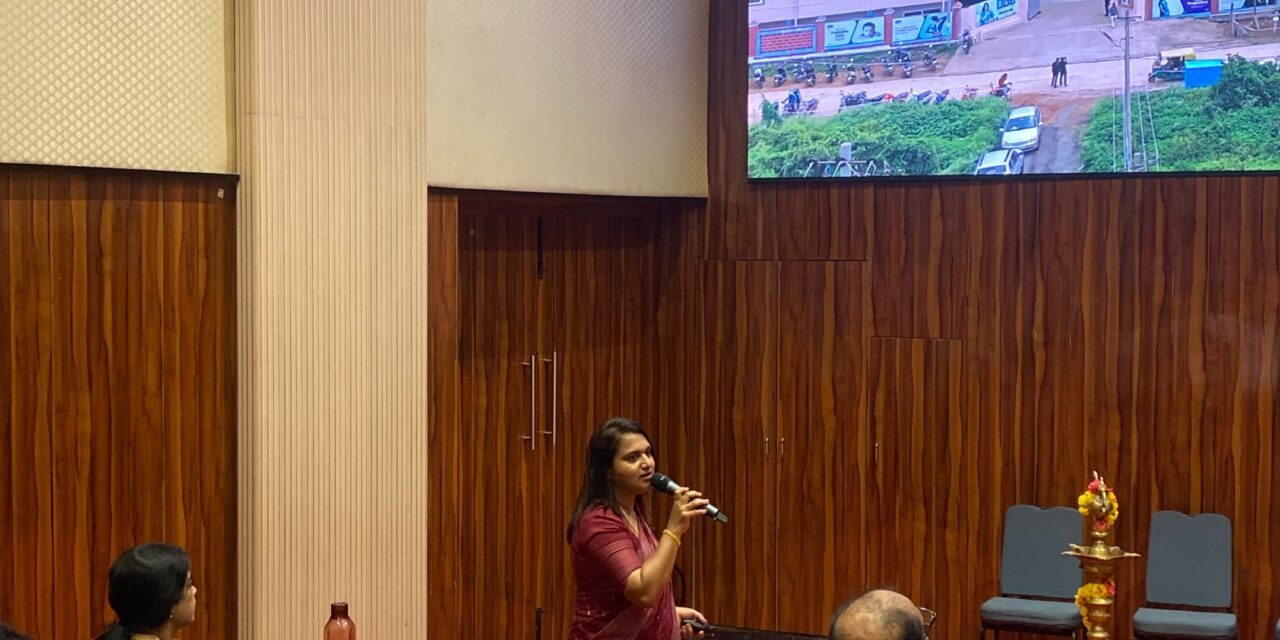
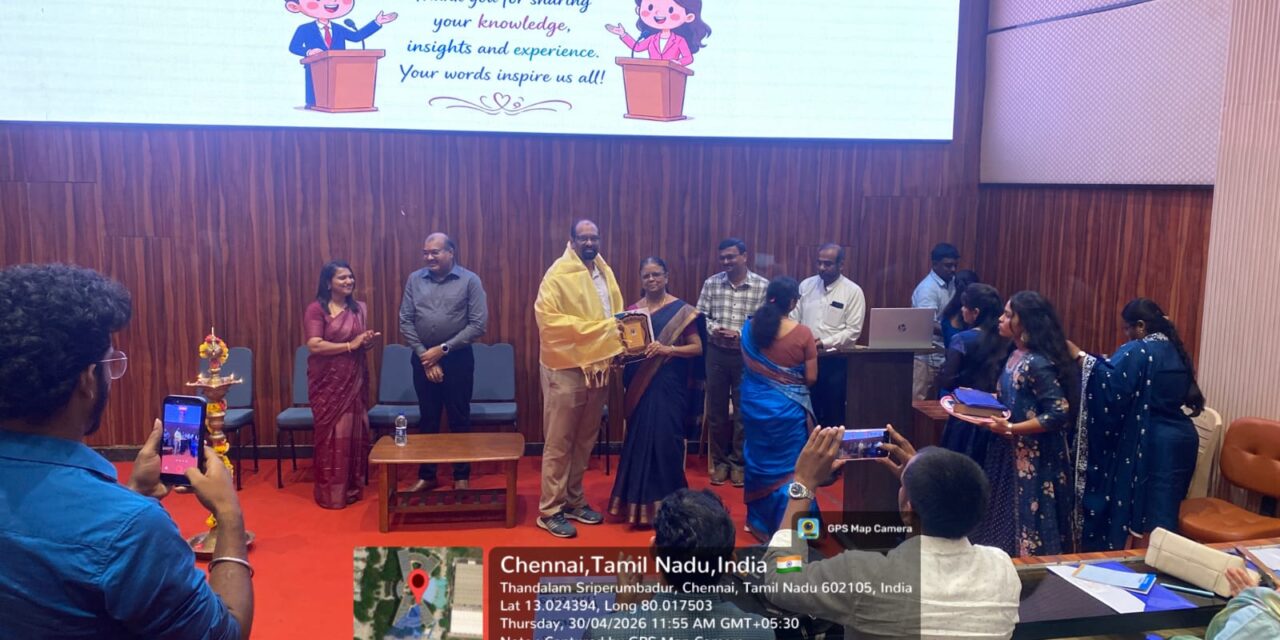
The academic sessions featured active participation from distinguished faculty of BGSMCH, who contributed as resource persons across lectures and hands-on training sessions.
Dr. Sudhir G K, Professor and Head, Department of Physiology, BGSMCH, delivered an in-depth lecture on foundational concepts in vestibular science. His session covered the neuroanatomy of the vestibular system, neurophysiology of balance and spatial orientation, and the neurochemical basis of vestibular function. The lecture provided participants with a strong conceptual framework of vestibular physiology.
Dr. Shilpa M, Professor, Department of Physiology, BGSMCH, presented an evidence-based talk on the systemic effects of vestibular stimulation. She highlighted its influence on autonomic balance, cardiovascular regulation, and stress response, emphasizing the broader physiological significance of vestibular inputs beyond balance control.
Dr. Sai Sailesh Kumar G, Professor, Department of Physiology, BGSMCH, delivered insights on research perspectives in vestibular science, covering its evolution, current evidence, and future clinical applications. His session highlighted the translational potential of vestibular research in modern medicine.
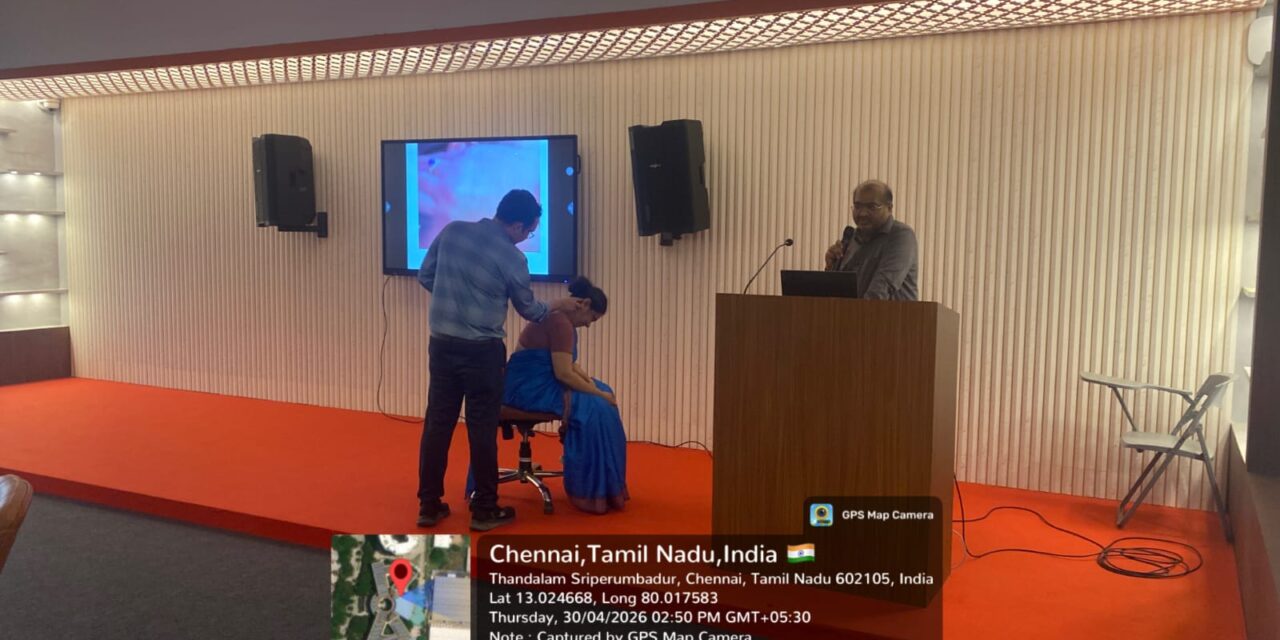
A key highlight of the programme was the hands-on workshop segment led by Dr. Sai Sailesh Kumar G, with support from Dr. Naveen Ravi, Assistant Professor, Department of Physiology, BGSMCH. This session included demonstration of vestibular stimulation techniques, supervised hands-on training, and guidance on clinical application and protocol standardization, significantly enhancing participant skill development.
Key Highlights
- Expert academic contributions from BGSMCH faculty in vestibular physiology
- Strong focus on neuroanatomy, neurophysiology, and neurochemical basis of balance
- Discussion on systemic effects of vestibular stimulation on human physiology
- Research-oriented insights on past, present, and future directions of vestibular science
- Hands-on training in vestibular stimulation techniques
- Strengthening of inter-institutional academic collaboration
Conclusion
The CME and workshop on vestibular science successfully benefited from the academic and practical contributions of faculty from BGS Medical College and Hospital. Their expertise significantly enriched the scientific content, bridging fundamental physiology with clinical application. The programme strengthened inter-institutional collaboration and fostered a deeper understanding of vestibular science among participants, contributing to academic excellence and skill development in medical education.