



Talk on the Importance of Organic Calcium & Phosphate Supplementation in Preterm Nutrition Organised by: Department of Pediatrics, BGS Medical College and Hospital, Nagarur
Introduction
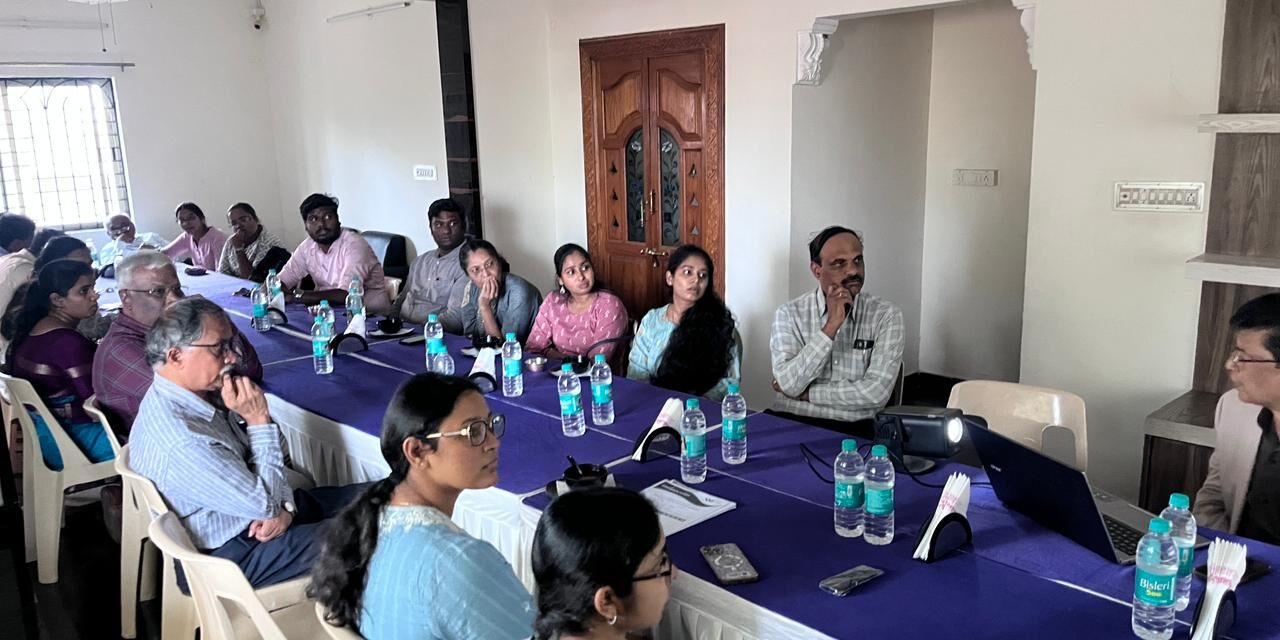
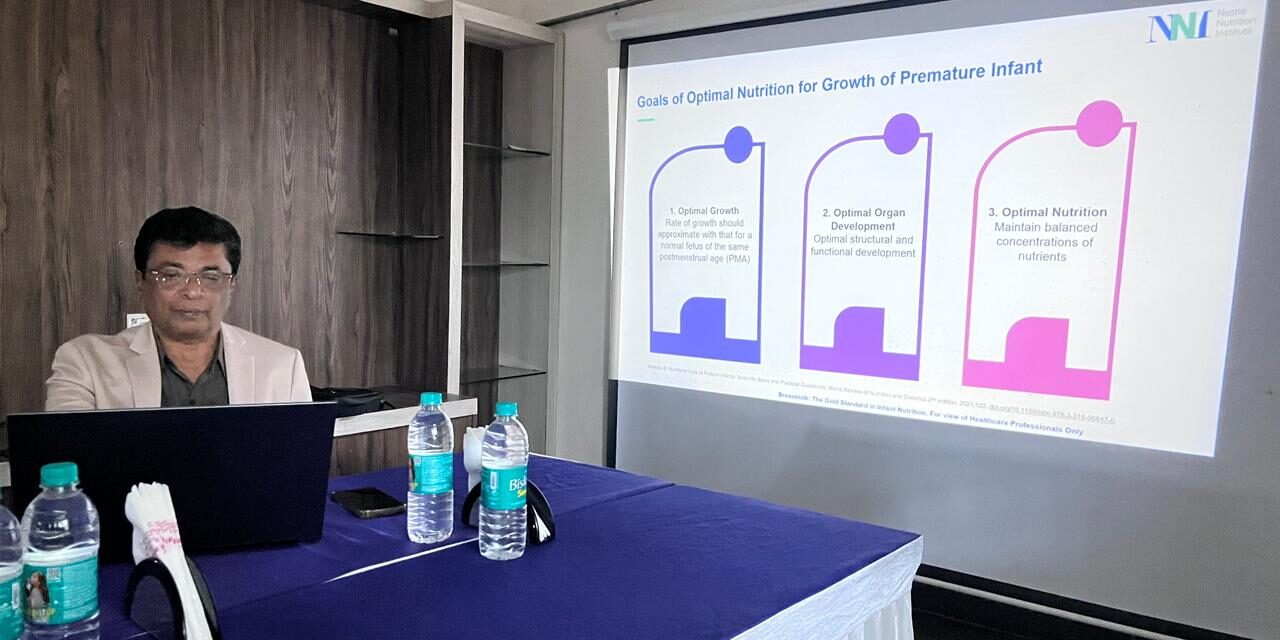
The Department of Pediatrics, BGS Medical College & Hospital, Nagarur, organized an academic session on “The Importance of Organic Sources of Calcium and Phosphate Supplementation in Preterm Nutrition” on 19 November 2025 at Balaji Sarovara. The talk aimed to strengthen knowledge on neonatal nutritional requirements, with a specific focus on improving outcomes in preterm infants through evidence-based supplementation strategies.
The initiative aligns with SDG 3 – Good Health and Well-being, reinforcing the institution’s commitment to enhancing neonatal health through improved nutritional practices.
Event Proceedings
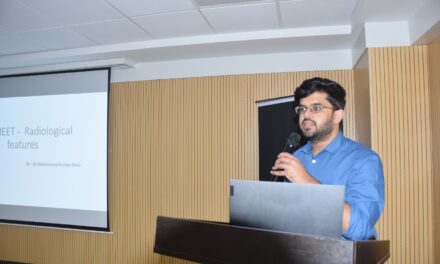
The session was delivered by Dr. Ramesh M., Professor & Head, Department of Pediatrics, BGS MCH, who provided an in-depth, evidence-backed exploration of preterm nutritional physiology. He emphasized the significance of timely, adequate, and bioavailable calcium and phosphate supplementation to support optimal bone mineralization and prevent complications such as osteopenia of prematurity.
Dr. Ramesh also highlighted the advantages of organic sources of calcium and phosphate, which offer superior absorption and improved clinical outcomes compared to standard inorganic salts. Additionally, the talk covered the importance of consistent monitoring, individualized nutrition plans, and amino acid supplementation in optimizing neonatal growth and long-term health.
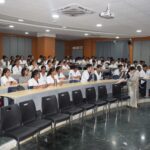
The session was attended by 25 participants, including pediatricians, residents, and neonatal care providers. The interactive nature of the talk facilitated meaningful discussion and practical understanding of the latest scientific developments in preterm nutritional management.
Key Highlights
Enhanced Knowledge of Neonatal Nutrition:
Participants gained a clearer understanding of the role of calcium, phosphate, and amino acids in preterm growth and development.Clinical Application and Best Practices:
The talk emphasized evidence-based approaches to supplementation, encouraging improved clinical decision-making.Focus on Organic Supplementation:
Organic sources were discussed as superior options for improved bioavailability and better neonatal outcomes.Strengthening Neonatal Care:
Insights shared during the session equipped attendees with strategies to reduce complications such as osteopenia of prematurity.Positive Feedback:
Participants appreciated the scientific rigor, clinical relevance, and practical applicability of the session.Alignment with SDG 3:
The talk contributed to promoting healthy lives and improving neonatal well-being.
Conclusion
The academic session on organic calcium and phosphate supplementation in preterm nutrition proved to be highly informative and impactful. It enriched participants’ understanding of neonatal nutritional needs and reinforced the importance of individualized, evidence-based care.
The Department of Pediatrics continues to uphold its commitment to advancing neonatal health through continuous medical education and aligns its efforts with SDG 3 – Good Health and Well-being. The department looks forward to organizing more such sessions to support improved clinical practice and patient outcomes.