
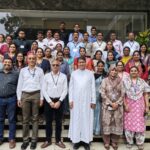
OSCE Training for Paediatrics Faculties at BGS Medical College and Hospital, Nagarur

Introduction
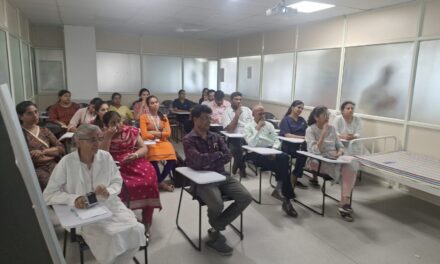
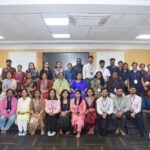
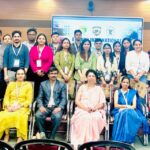
The Department of Paediatrics, in collaboration with the Skills and Simulation Lab, organized a two-day training programme on Objective Structured Clinical Examination (OSCE) for Paediatrics faculty on 9th and 10th September 2025. The program aimed to strengthen faculty skills in designing, implementing, and evaluating OSCEs, ensuring effective competency-based medical education.
Date: 9th–10th September 2025
Venue: Skills and Simulation Lab, BGS Medical College & Hospital, Nagarur
Organized by: Department of Paediatrics & Skills and Simulation Lab
Resource Persons:
Dr. Ramesh M, Professor & HOD, Department of Paediatrics
Dr. Gayathridevi, Professor, Department of Paediatrics
Dr. Vidya Mirji, Associate Professor, Department of Paediatrics
Program Overview
The training sessions were designed to provide both conceptual understanding and hands-on practice. Key topics included:
Principles and best practices of OSCE
Blueprinting and station development
Standard setting and examiner training
Implementation and evaluation techniques
Interactive discussions, simulation-based learning, and group activities made the sessions highly engaging and practical.
Key Highlights
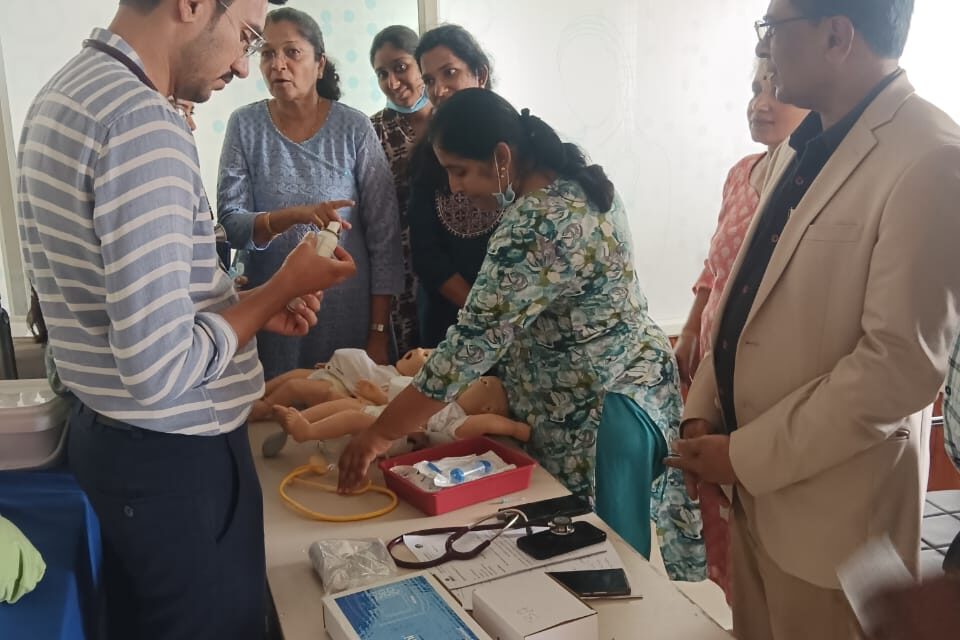
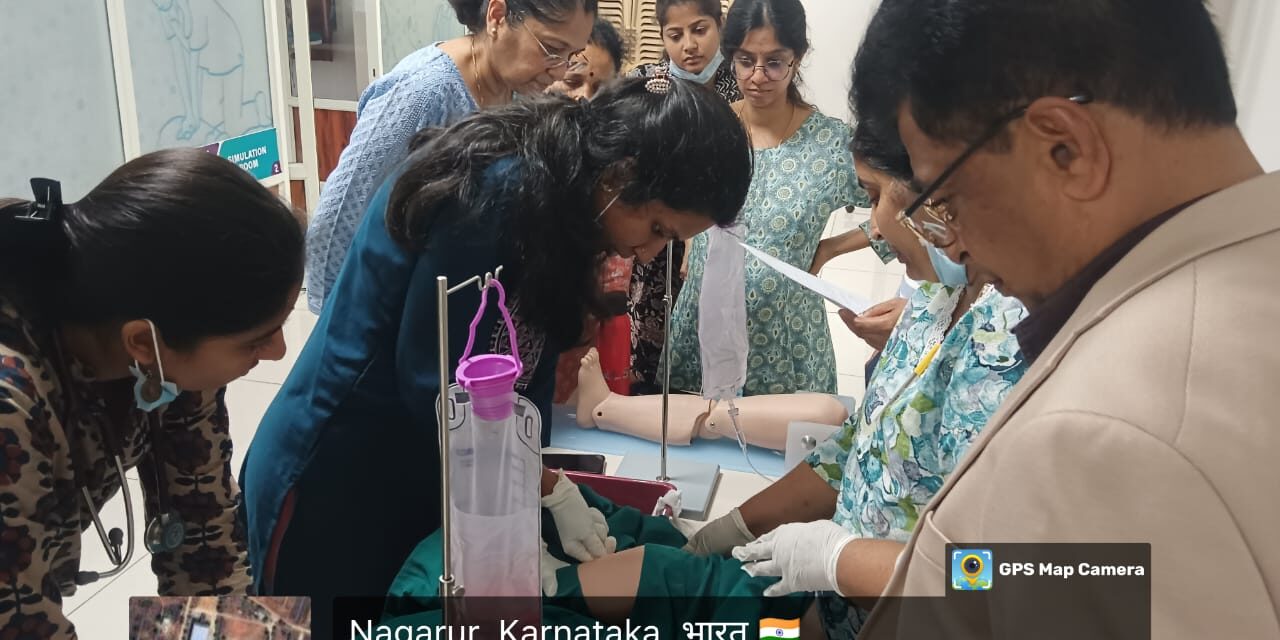
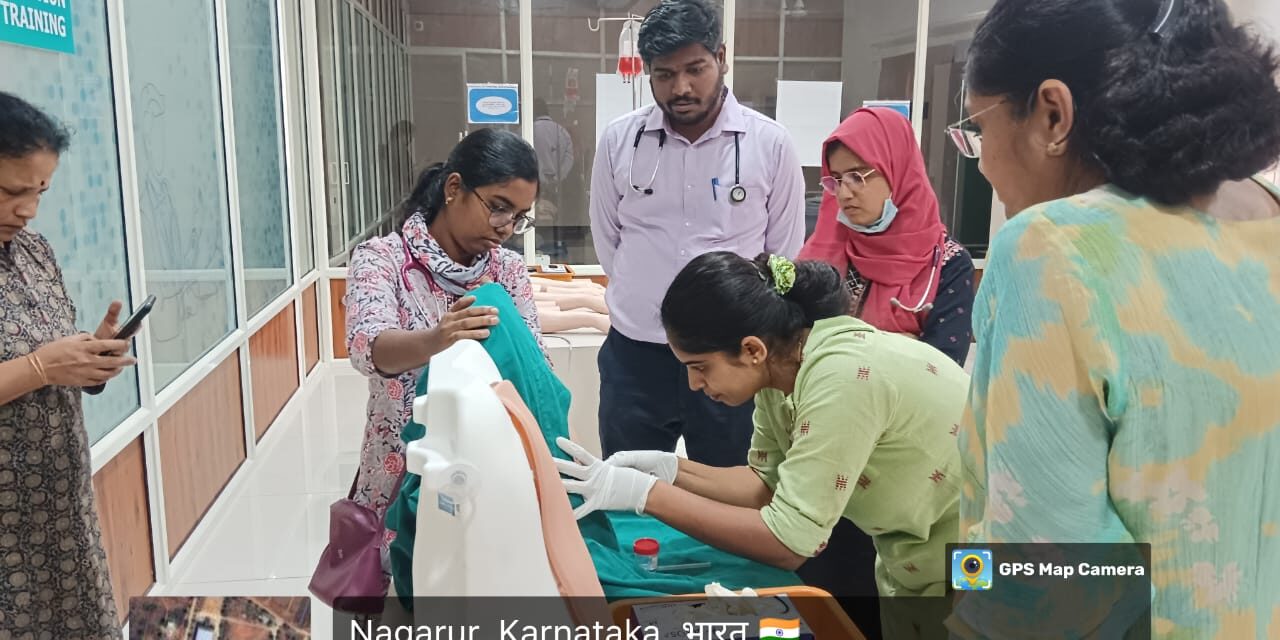
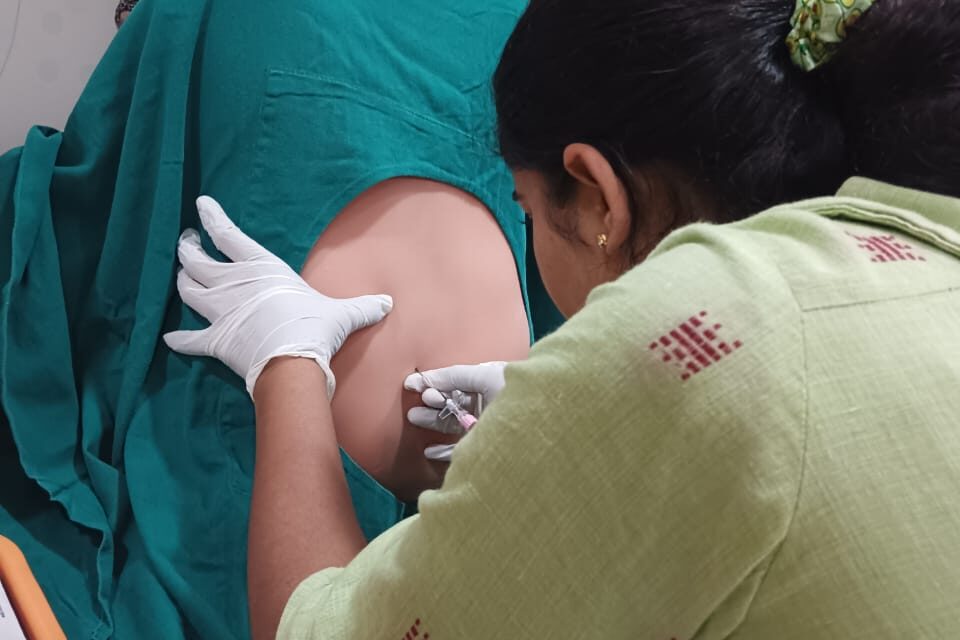
Hands-on training with simulation exercises using manikins for essential paediatric skills such as:
IV cannulation
Lumbar puncture
Bone marrow aspiration
NG tube insertion
Case studies tailored to Paediatrics, ensuring clinical relevance.
Faculty collaboration and peer-to-peer learning across sessions.
Positive participant feedback highlighting the program’s applicability and effectiveness.
Objectives Achieved
The programme successfully met its goals by:
Equipping Paediatrics faculty with the ability to design and conduct OSCEs effectively.
Enhancing faculty competency in student assessment through structured evaluation methods.
Encouraging knowledge sharing and best practice exchange among departments.
Outcomes
Participants reported greater confidence and improved skills in OSCE design and execution. The training also emphasized the role of OSCEs in ensuring fairness, objectivity, and comprehensive assessment in medical education.
Conclusion
The OSCE Training Programme for Paediatrics faculty was a resounding success, providing a valuable platform for skill-building and academic collaboration. The Skills and Simulation Lab proved to be an ideal venue, offering an immersive environment for simulation-based education.
SDG 3 – Good Health and Well-being: Ensure healthy lives and promote well-being for all at all ages.