



HPV Vaccination drive


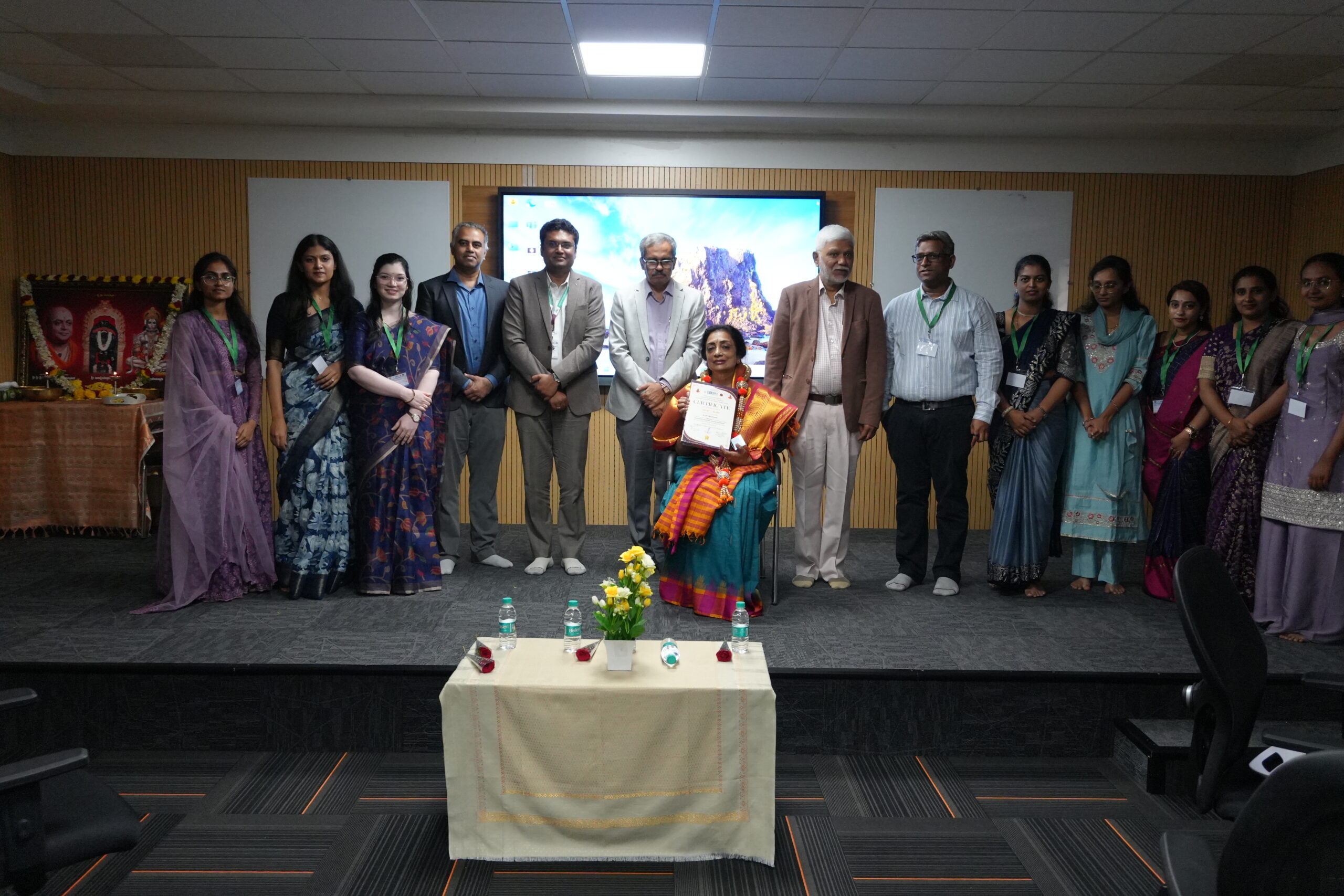
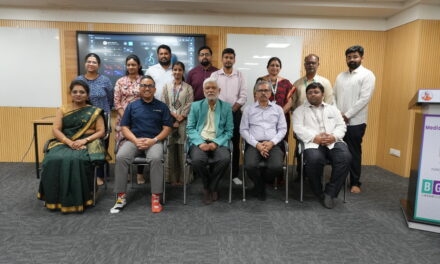
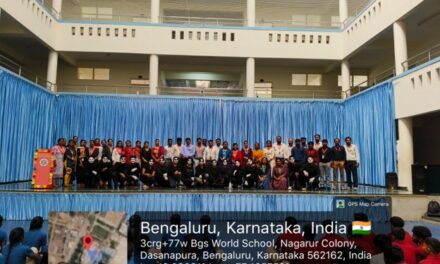
On July 10, 2025, the Department of Paediatrics in collaboration with the Women Empowerment and Development Cell at BGS Medical College and Hospital, Bengaluru, organized a HPV Vaccination Drive aimed at promoting public health through awareness and prevention. The event began with solemn blessings from Paramapoojya Jagadguru Padmabhushana Puraskrutha Sri Sri Dr. Balagangadharanatha Mahaswamiji and Paramapoojya Jagadguru Sri Sri Sri Dr. Nirmalanandanatha Mahaswamiji, followed by a warm welcome from Dr. Sindhu Shankar S, Assisstant Professor from the department of Community Medicine. Dr. Gangadhar, Principal & Dean, underscored the critical importance of the HPV vaccine in safeguarding community health. He emphasized that vaccination is a powerful tool in preventing high-risk HPV strains, which are directly linked to cervical and other cancers, and urged parents and young adults to view it not merely as an optional medical procedure but as a foundational pillar of disease prevention. Dr. Ramesh, Professor and HoD from the department of Paediatrics provided detailed and practical guidance on the HPV vaccination schedule tailored to different age groups. He explained that adolescents aged 9–14 years should ideally follow a two‑dose schedule: the first dose at month 0 and the second dose 6 to 12 months later, consistent with recommendations from local healthcare providers For individuals aged 14 and older, as well as those with compromised immune systems, Dr. Ramesh emphasized the three‑dose regimen: doses at 0, 1–2, and 6 months . He also stressed the flexibility built into the guidelines—such as a minimum 4‑week gap between doses one and two and a minimum 12‑week gap before the third—and encouraged strict adherence to these intervals to maximize efficacy and long-lasting protection. The program featured informative sessions on HPV transmission, its link to cancer, and the importance and safety of vaccination, supported by educational materials. Eligible participants, primarily adolescents, received the HPV vaccine under strict safety protocols, with proper consent, cold‑chain management, and post‑vaccination monitoring. A lively Q&A session addressed myths and participant concerns, providing evidence‑based clarifications. By the end of the day, a substantial number of first doses had been administered, and valuable feedback was gathered regarding logistics and awareness gaps. The event successfully achieved its objectives—enhanced community knowledge and improved vaccine uptake—while highlighting areas for improvement such as broader outreach and better follow‑up planning. A heartfelt vote of thanks was extended to all organizers, dignitaries, partnering agencies, and participants, and plans were outlined for subsequent vaccination sessions and integration with school‑based immunization programs.