



A Faculty Development Program, organized by the Skills and Simulation Lab Taskforce
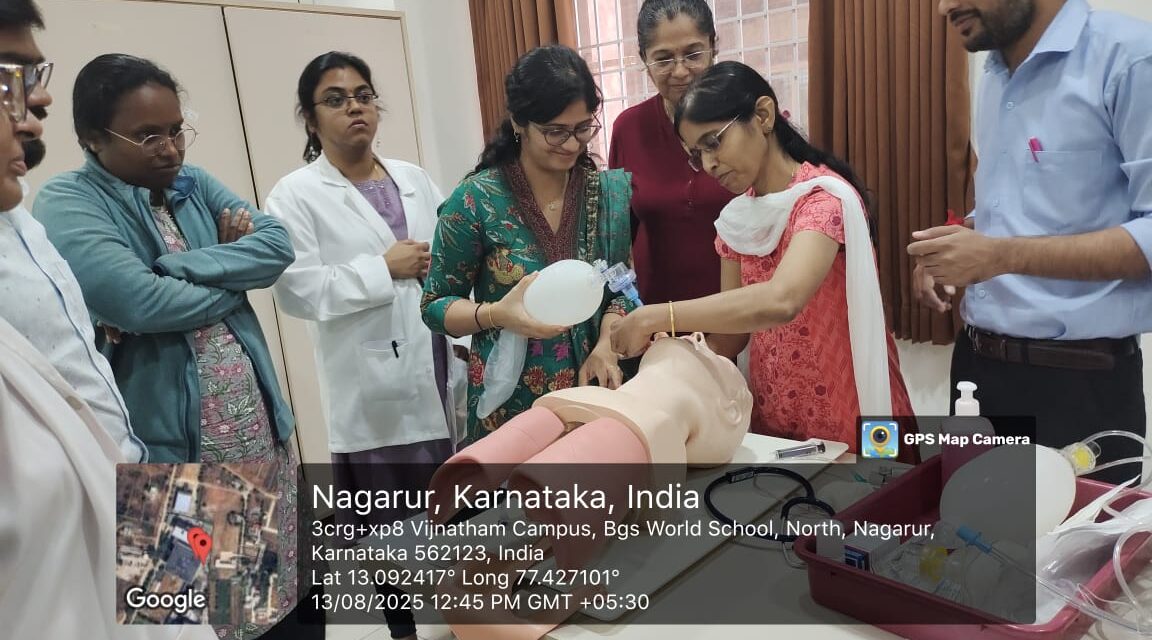
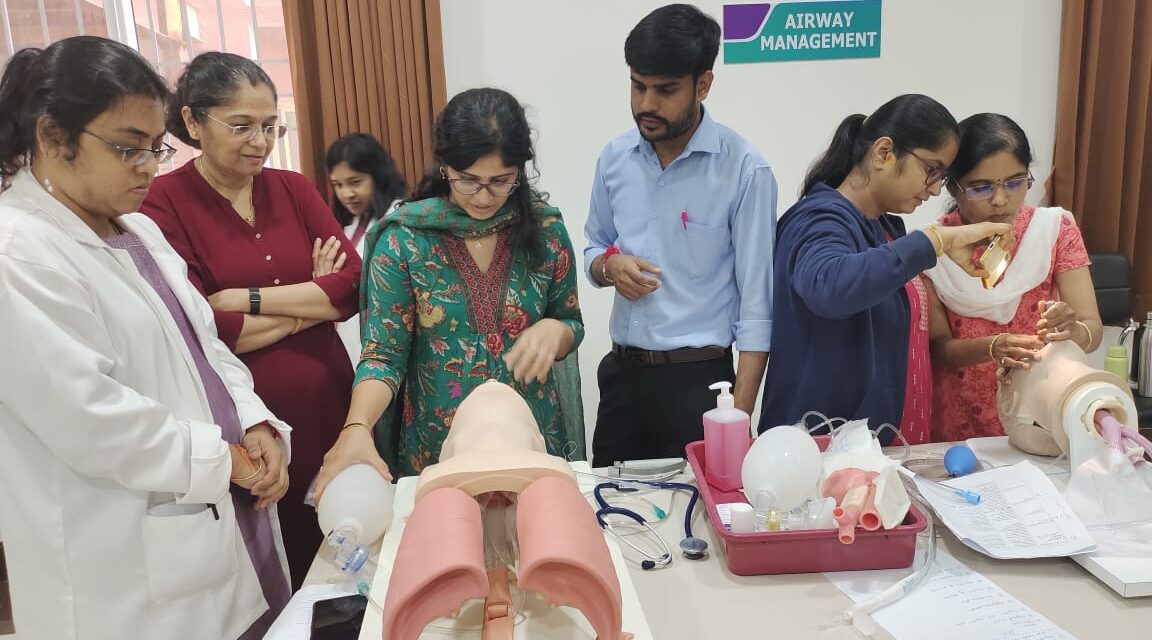
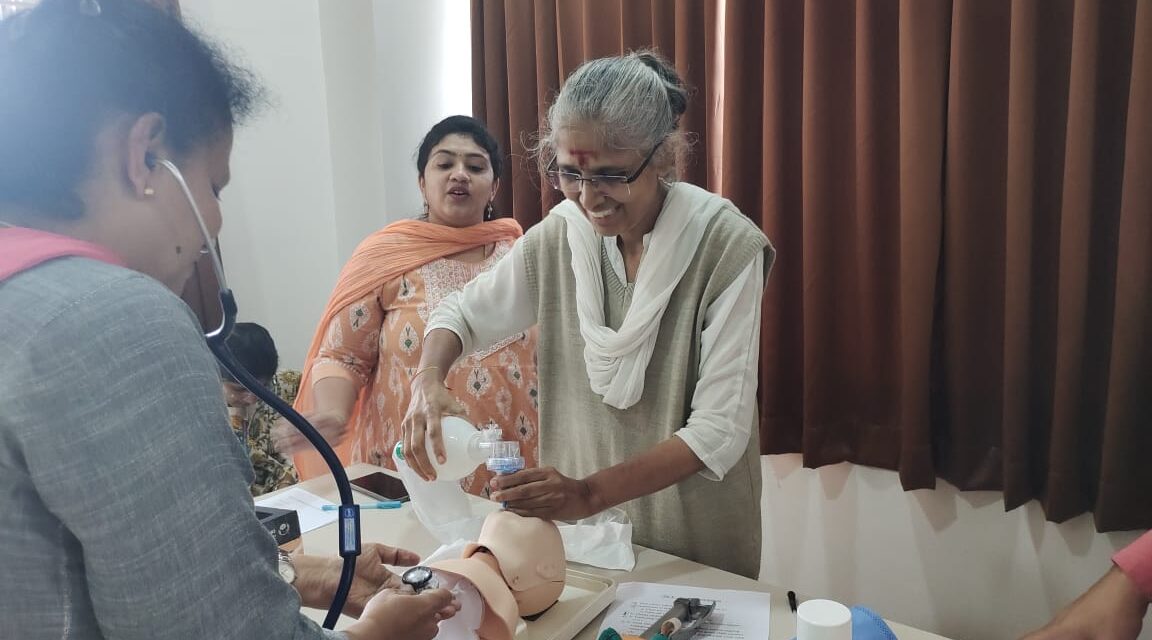
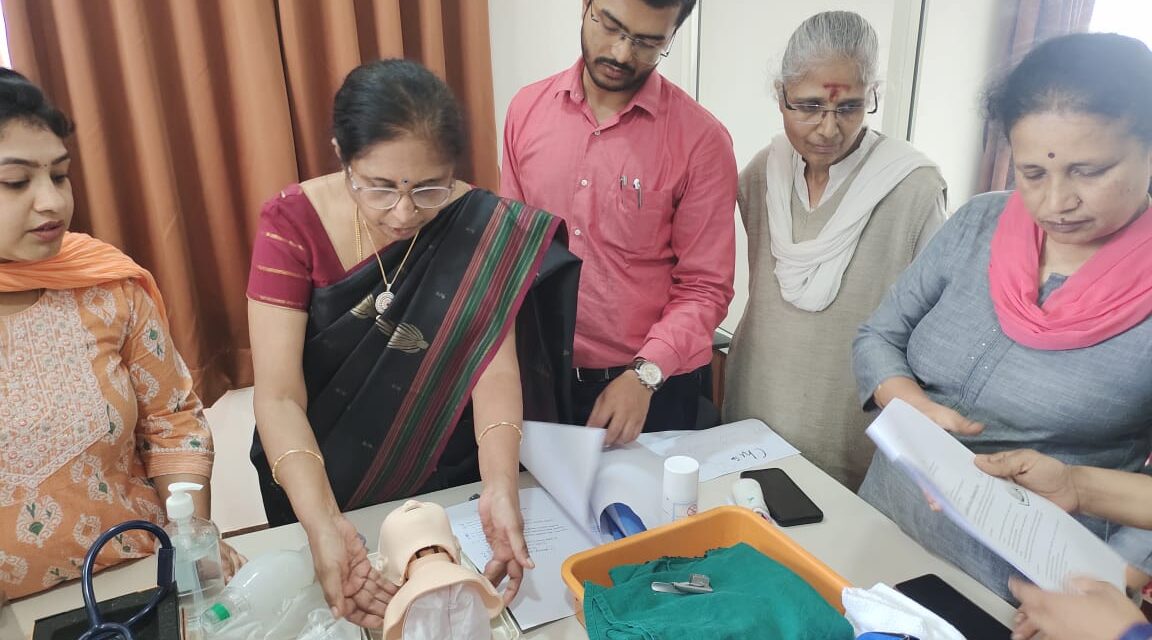
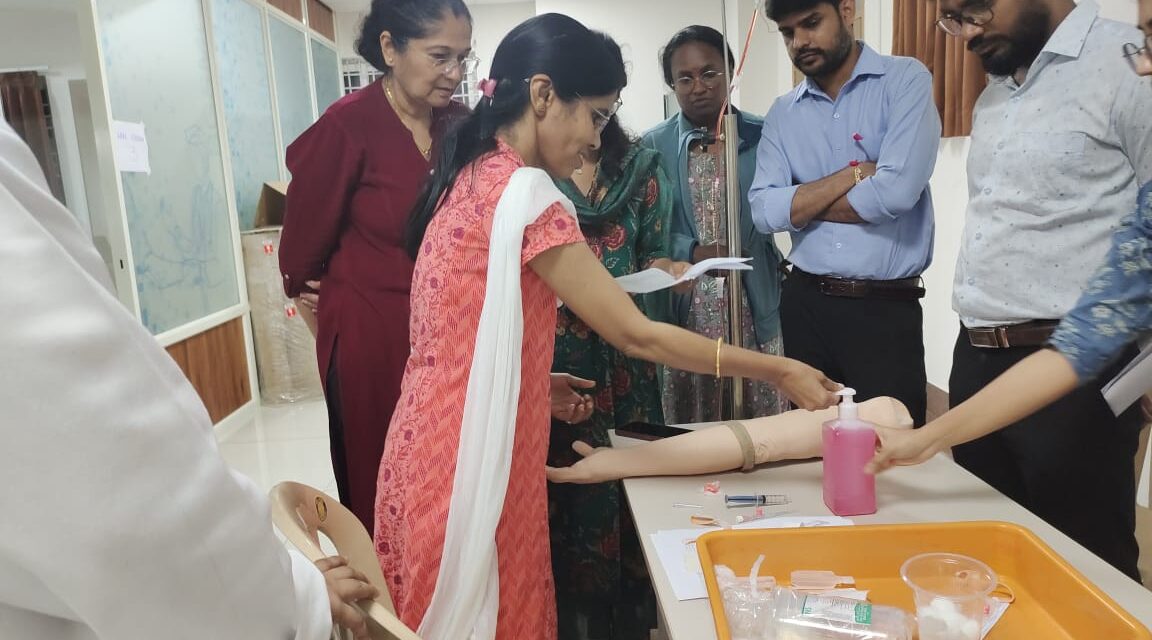
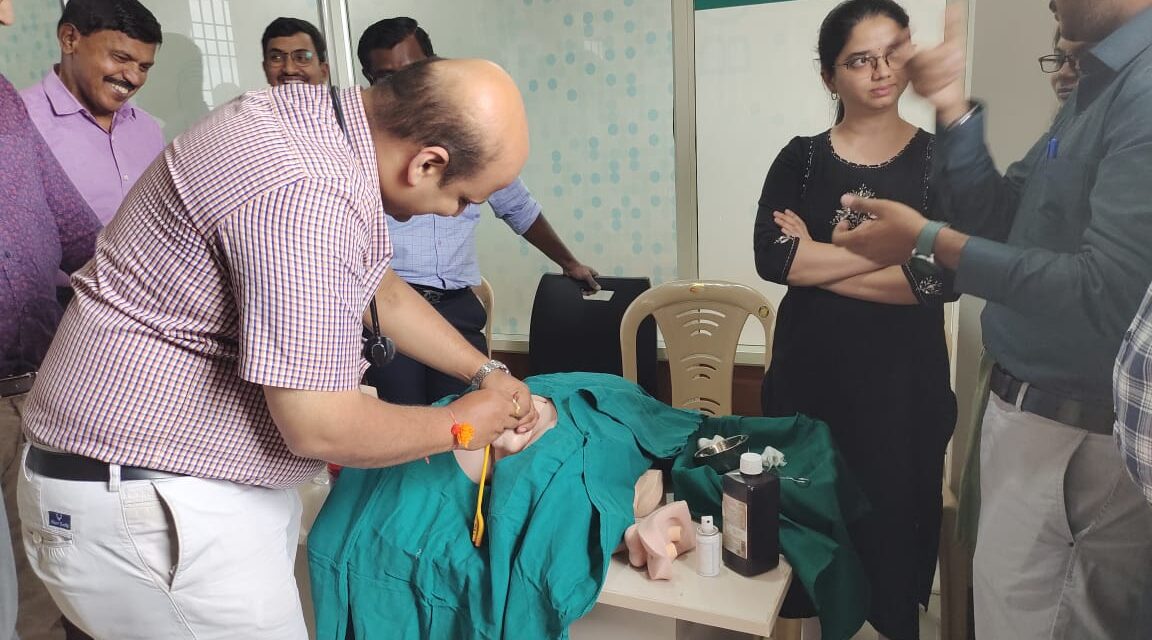
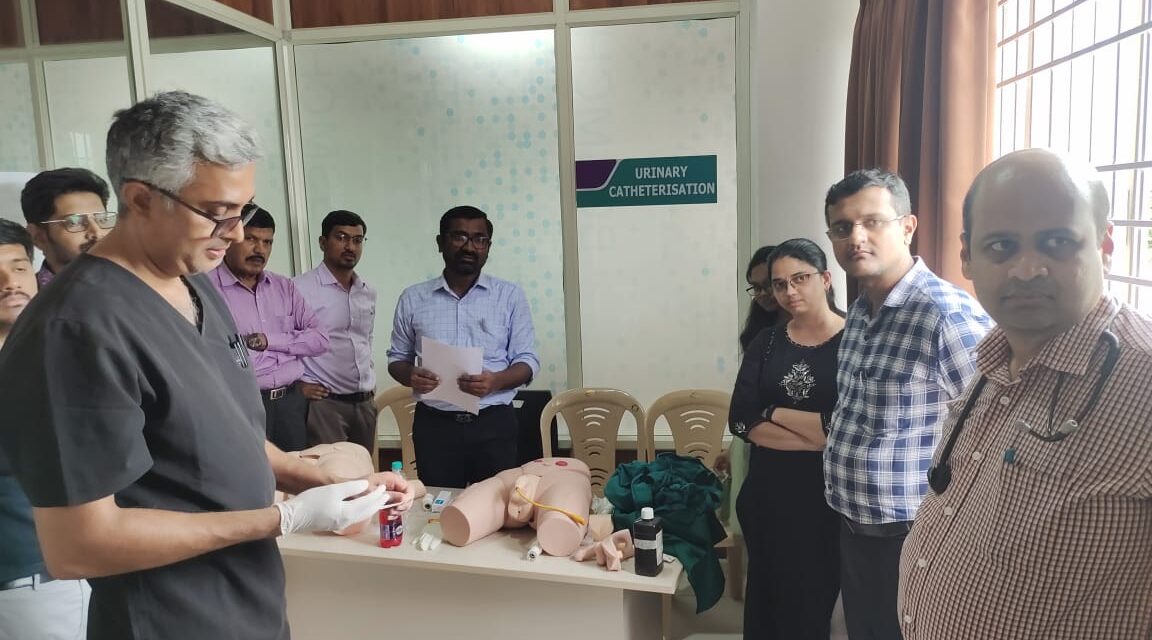
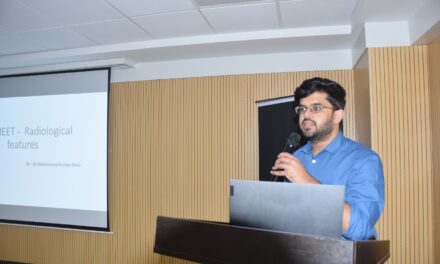
A Faculty Development Program, organized by the Skills and Simulation Lab Taskforce at BGS Medical College and Hospital in Nagarur, was successfully held on August 12th and 13th, 2025, at the MEU Hall and the Skills and Simulation Lab. This two-day program was a training-of-trainers initiative designed to empower trainers from various departments in creating skill stations aligned with the skill modules set forth by the National Medical Commission (NMC). The program’s primary objective was to highlight the critical importance of integrating skill-based modules into clinical skills education, ensuring that we produce highly proficient graduates. Significant emphasis was placed on fostering a safe and supportive environment for learners, which is essential for building their confidence in handling patients within clinical scenarios. The training encompassed a comprehensive range of topics, including the significance of simulation-based education, the effective use of the Payton method for teaching skills, hands-on practice with the Payton method, collaborative design of Objective Structured Clinical Examination (OSCE) stations, checklist creation, round-robin execution, and peer assessment.
Dr. Sanketh Patil, an internationally certified healthcare simulationalist and the esteemed Head of the Skills and Simulation Lab at DY Patil Medical College and Hospital in Kolhapur, brought over 17 years of invaluable experience in healthcare education, faculty development, and simulation center operations. His vast expertise in training faculty and mentoring simulation teams across various institutions in India made him an ideal speaker for this program. Dr. Patil’s extensive knowledge in skill module design and the integration of simulation into competency-based medical education greatly enriched the experience. The program was efficiently coordinated by Dr. Renuka R., the coordinator of the Skills and Simulation Lab at BGS Medical College and Hospital, and also an internationally certified faculty member. Together, they engaged participants in dynamic activities, including the design of OSCEs, checklist creation, and assessment execution. Participants not only acquiring new skills and knowledge but also enthusiastically shared their plans for implementation. The second day was dedicated to applying the Payton method for skills teaching in the Skills and Simulation Lab, with a focus on various modules. Attendees actively participated and demonstrated their commitment to excellence in skills teaching through this method.
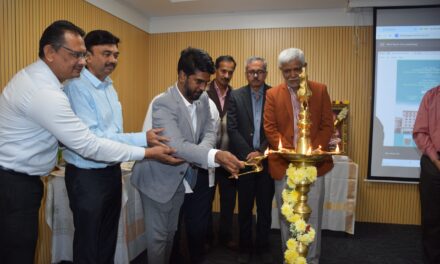
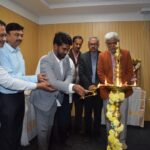
The program culminated in a valedictory function featuring esteemed guests on the dais: Dr. Ganagadhara K.S., the Dean and Principal of the college; Dr. Krishnamurthy V.R., the Chief of the Hospital; Dr. Renuka R., the coordinator of the skills and simulation lab; and our guest speaker, Dr. Sanketh Patil. Dr. Renuka R. commended Dr. Patil for his exceptional ability to engage participants throughout the two-day program. She acknowledged the skill required to create a smooth, seamless, and enjoyable learning experience, which he achieved with remarkable success. Additionally, she expressed gratitude to Mr. Pradeep from Augment Simulation for his invaluable support and academic handholding, which are essential for advancing simulation-based learning in medical colleges. She also thanked the management for their unwavering support of academic initiatives, facilitating timely and impactful developments in teaching and learning. The Chief of the Hospital underscored the vital importance of conducting such training programs within the institution. He extended his heartfelt thanks to Dr. Patil for traveling from Kolhapur to impart his expertise to the faculty on skill modules. This initiative is crucial for building a solid team of trainers capable of sharing their knowledge with peers. The Dean emphasized the necessity of evolving teaching methodologies as recommended by the National Medical Commission (NMC). He recognized that these methodologies are pivotal in enhancing learning and producing proficient medical graduates. He urged all faculty members to embrace innovative teaching strategies to maximize the benefits for graduate students. Dr. Sanketh Patil emphasized the importance of having a knowledgeable and supportive leader at the simulation lab, stating that strong leadership is essential for creating an effective simulation lab within the institution. He described the simulation lab as the heart of any medical college and hospital. Dr. Patil recognized these qualities in Dr. Renuka R., noting that her motivation could elevate the simulation lab’s efforts significantly. He also suggested that, in the future, we may see a transformative shift away from traditional lecture halls, as the institution increasingly embraces a simulation lab approach.
Participants’ feedback regarding the two-day program was overwhelmingly positive. They expressed amazement at the overall training, noting that, although they had some prior exposure to the content and had attended other trainings, this experience was exceptional. They appreciated starting from the ground up and found the learning process easy to understand and implement. As the program progressed, participants exhibited increased energy and enthusiasm for incorporating simulation into the curriculum. They expressed their gratitude to the organizers and the management for inviting such experienced speakers and conducting essential faculty development programs.