CME from Tradition to transformation ERAS: Reimaging modern surgical care at BGS Medical College and Hospital, Nagaruru
Introduction
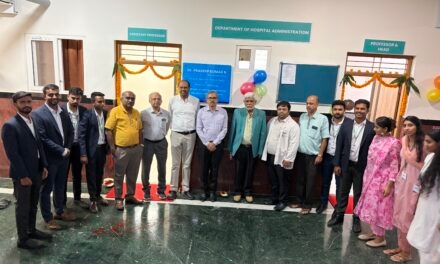
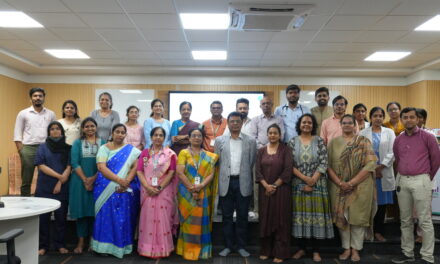
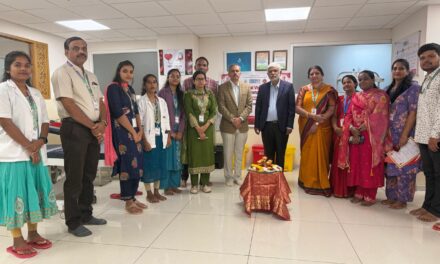
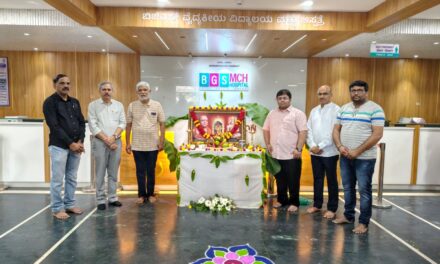
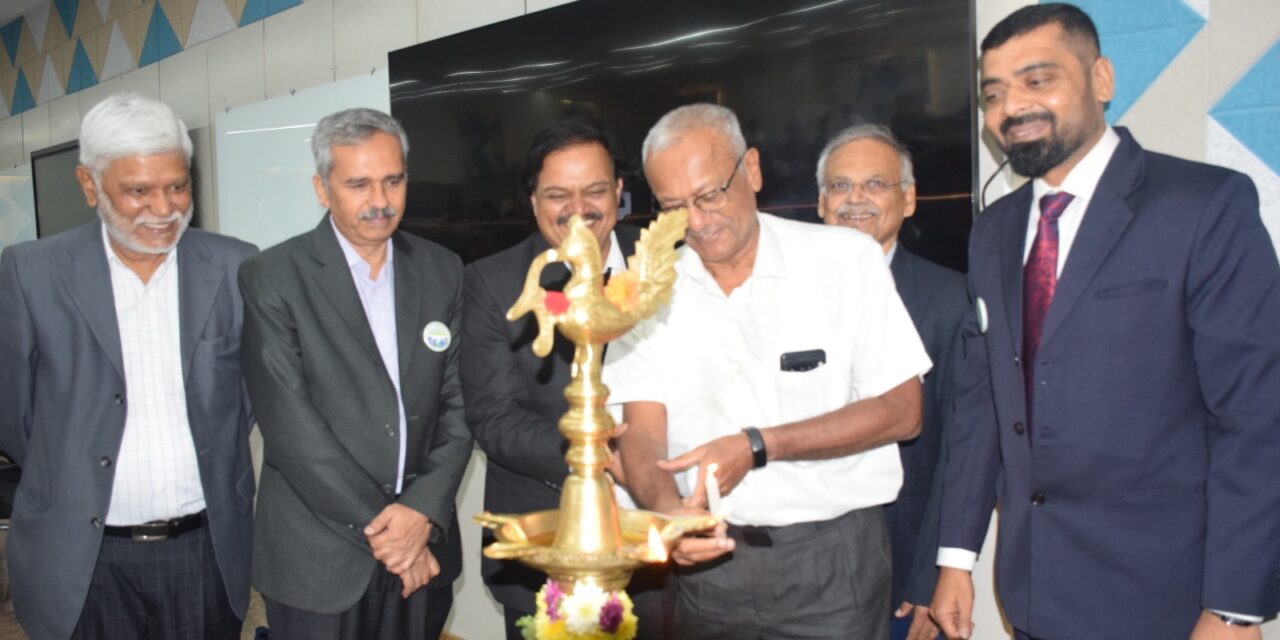
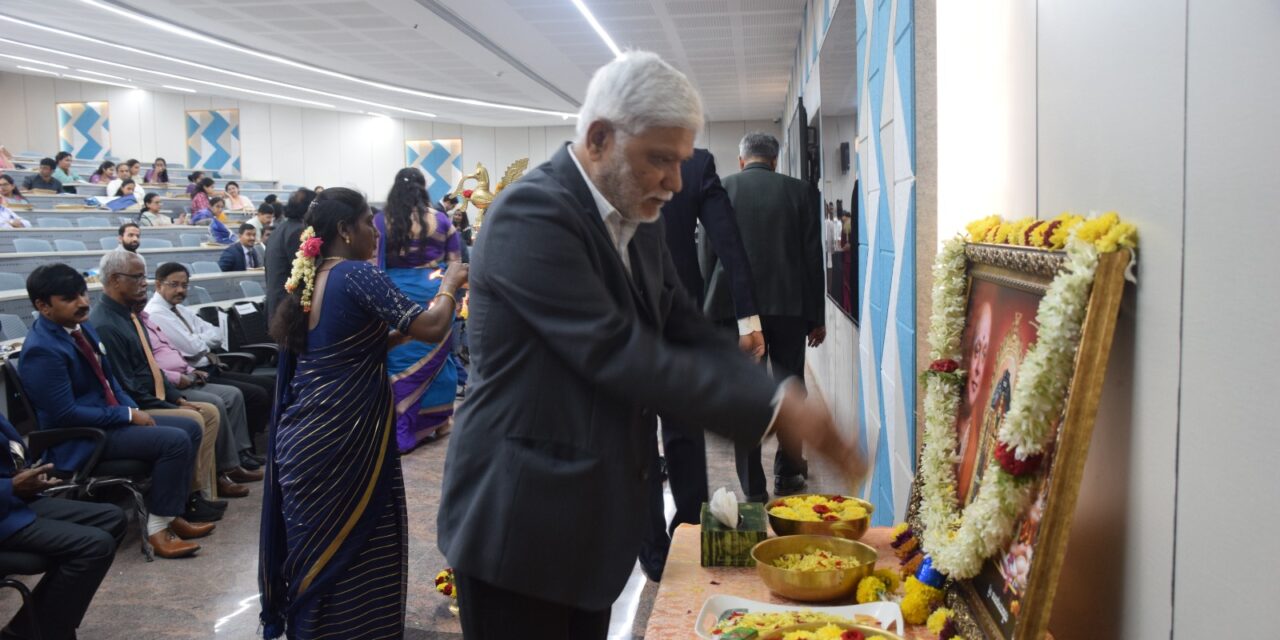
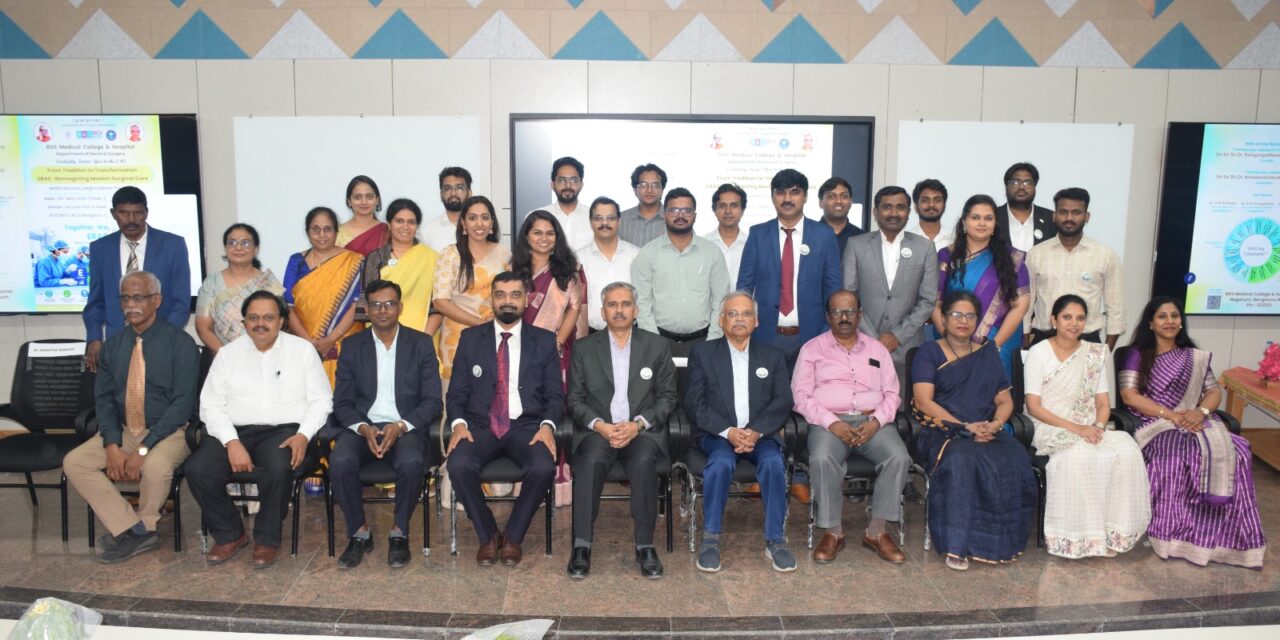
The Department of General Surgery at BGS Medical College and Hospital successfully organized a Continuing Medical Education (CME) programme titled “From Tradition to Transformation: ERAS – Reimagining Modern Surgical Care” on 08 May 2026 at Lecture Hall 2, New College Building.
The CME programme was conducted with the objective of enhancing awareness and understanding of Enhanced Recovery After Surgery (ERAS) protocols, an emerging and integral component of modern surgical care. The event brought together faculty members, postgraduate students, and healthcare professionals both from our institute & various other medical colleges around Bengaluru to deliberate on evidence-based perioperative practices aimed at improving patient outcomes and optimizing recovery. The CME also created a single platform for both Surgeons & Anaesthetists to address the same topic in their perspectives.
Event Proceedings
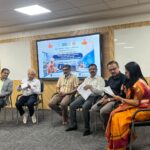
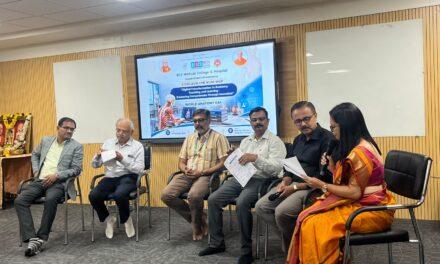
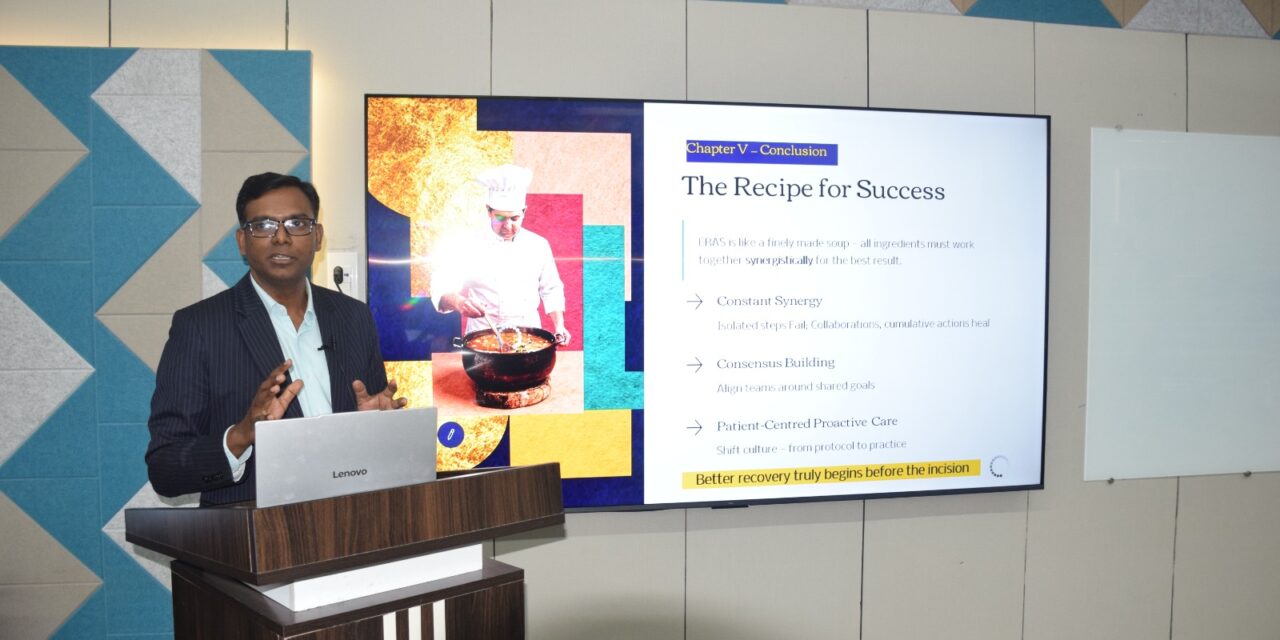
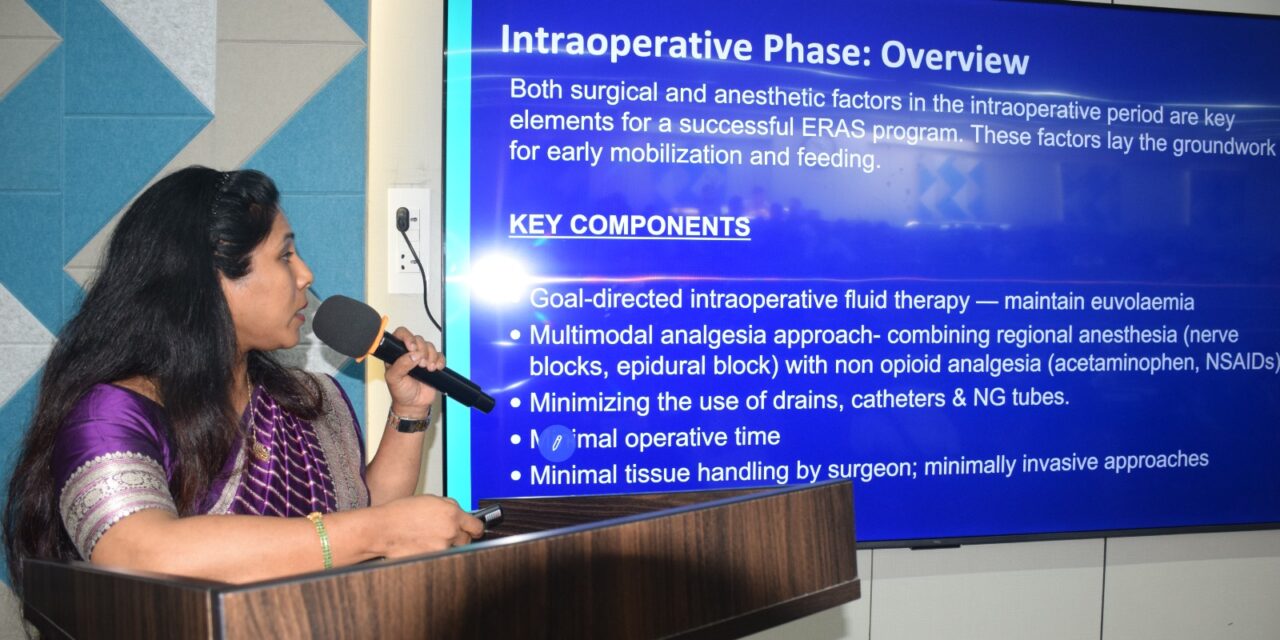
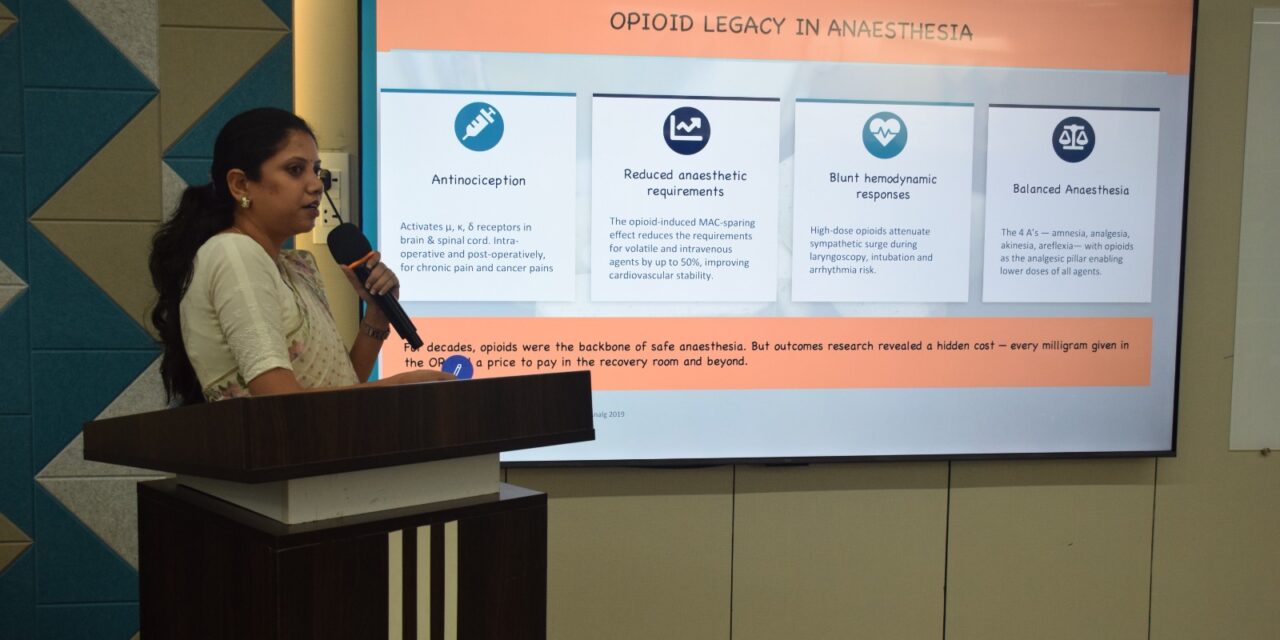
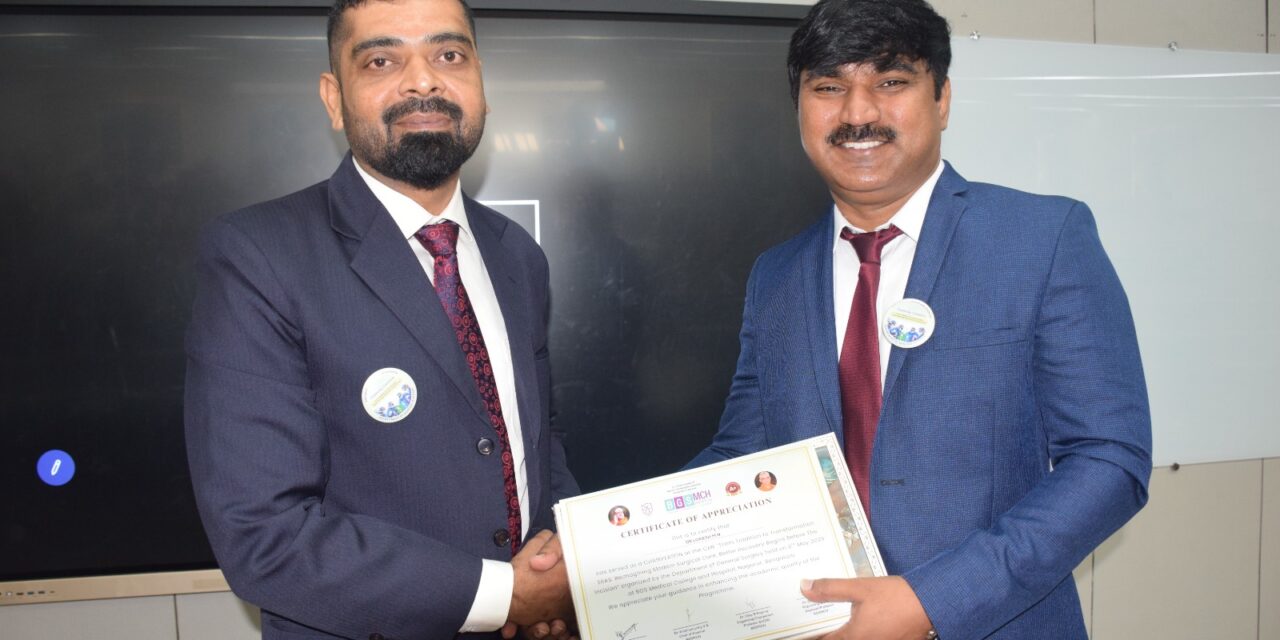
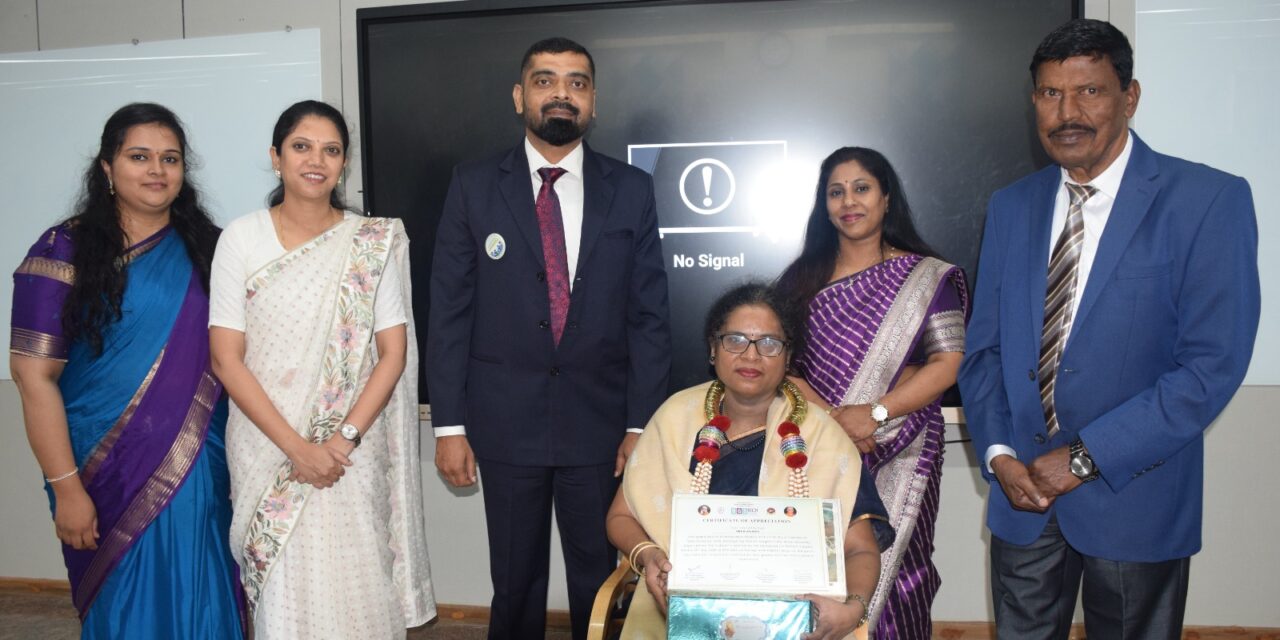
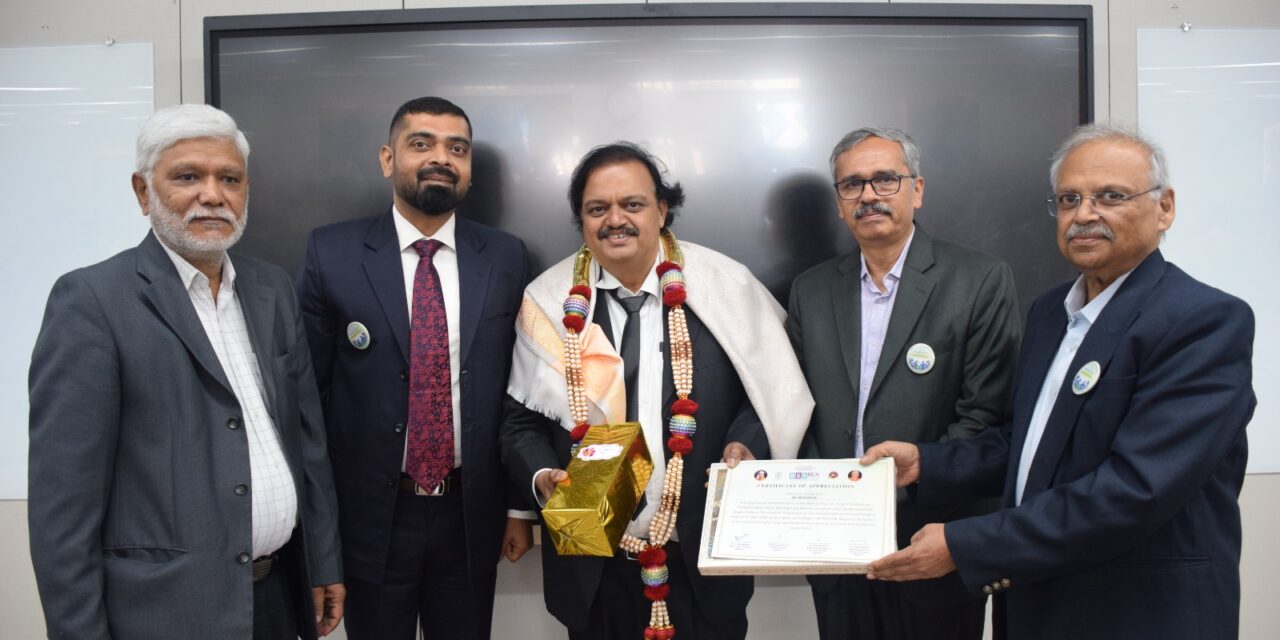
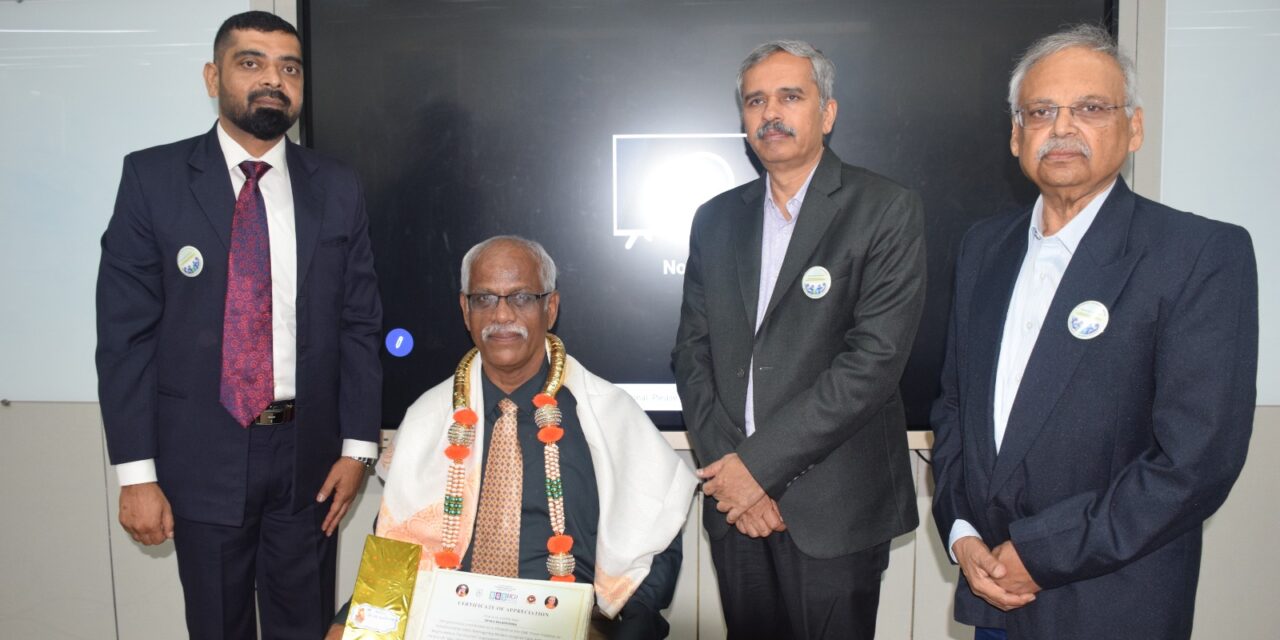
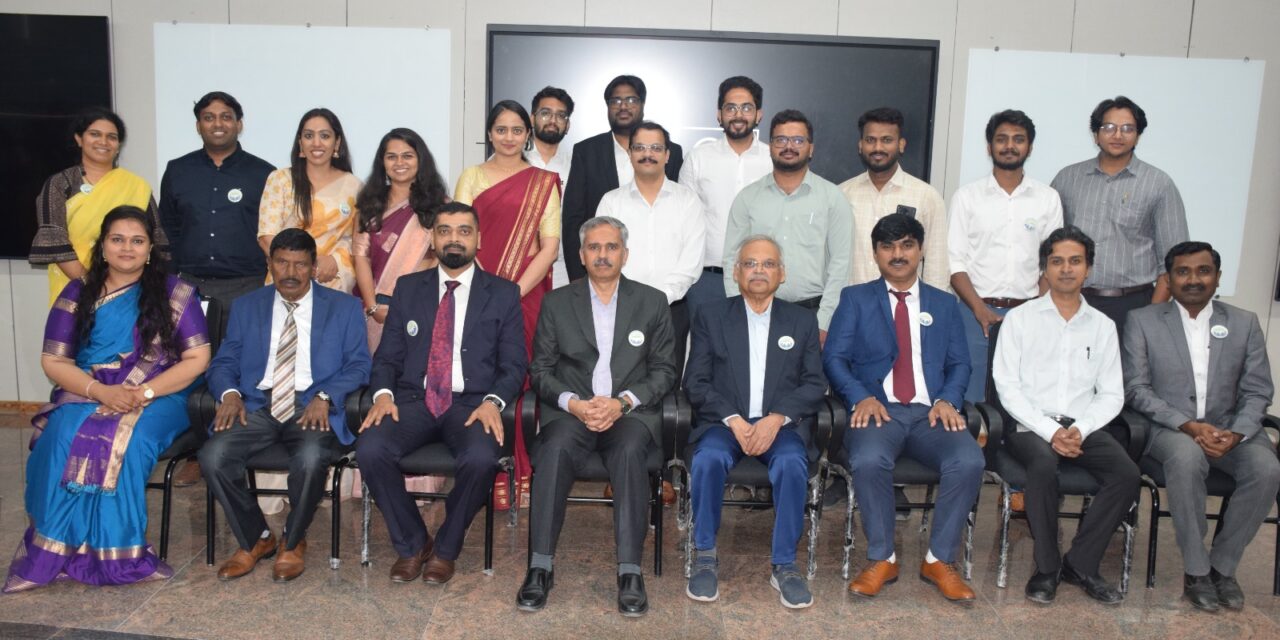
The programme commenced with a formal inaugural session followed by a series of scientific deliberations led by distinguished experts in the field of surgery. Eminent speakers including Dr Lakshman, Dr Sreekar Pai, and Dr MA Balakrishna, Dr Lakshminarayan, Dr Ashwini vijay, Dr Swathi N, Dr Kalaivani V, Dr Sunil Kumar V shared their valuable expertise and clinical experiences related to ERAS protocols.
The speakers elaborated on the pathophysiological principles underlying ERAS and emphasized the importance of multidisciplinary collaboration in minimizing perioperative stress and postoperative complications. Discussions focused on contemporary evidence-based practices including optimized nutrition, early mobilization, pain management strategies, and standardized perioperative care pathways.
The sessions also addressed the practical challenges encountered during the implementation of ERAS protocols in routine clinical settings. Through interactive discussions and case-based experiences, the speakers highlighted feasible solutions to overcome institutional and logistical barriers in adopting these transformative practices.
Key Highlights
Insightful scientific sessions on Enhanced Recovery After Surgery (ERAS) protocols.
Expert discussions on the pathophysiological basis and clinical relevance of ERAS.
Practical perspectives on implementation challenges and real-world surgical experiences.
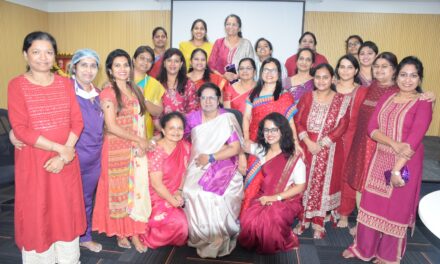
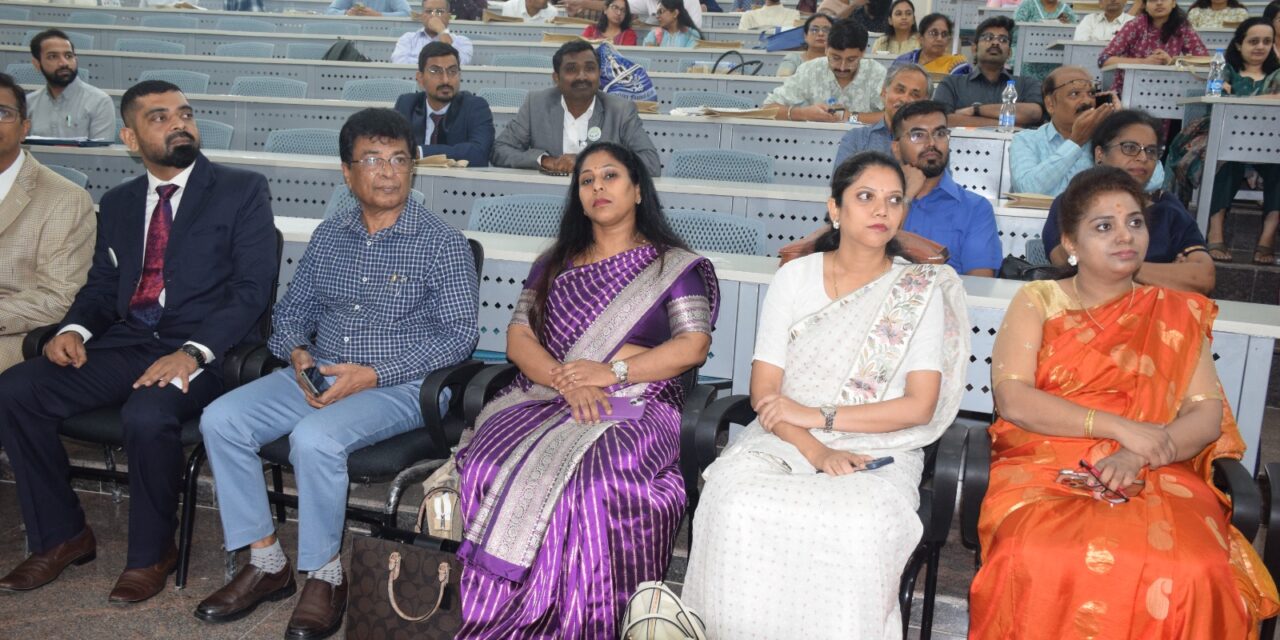
Active participation from faculty members, postgraduate students, and healthcare professionals.
Interactive exchange of ideas promoting evidence-based surgical practices, Interdisciplinary approach like Surgical & Anesthesia department teaming up.
Conclusion
The CME programme concluded with an engaging interactive session that encouraged meaningful academic exchange between participants and experts. The event served as an important platform for updating knowledge on evolving surgical care standards and reinforced the commitment of the Department of General Surgery toward academic excellence and quality patient-centered care.
The Department extends its sincere gratitude to all the speakers, faculty members, organizers, and participants for contributing to the success of the programme.