





Faculty Development Programme on “Approach to Headache” at BGS Medical College and Hospital, Nagaruru
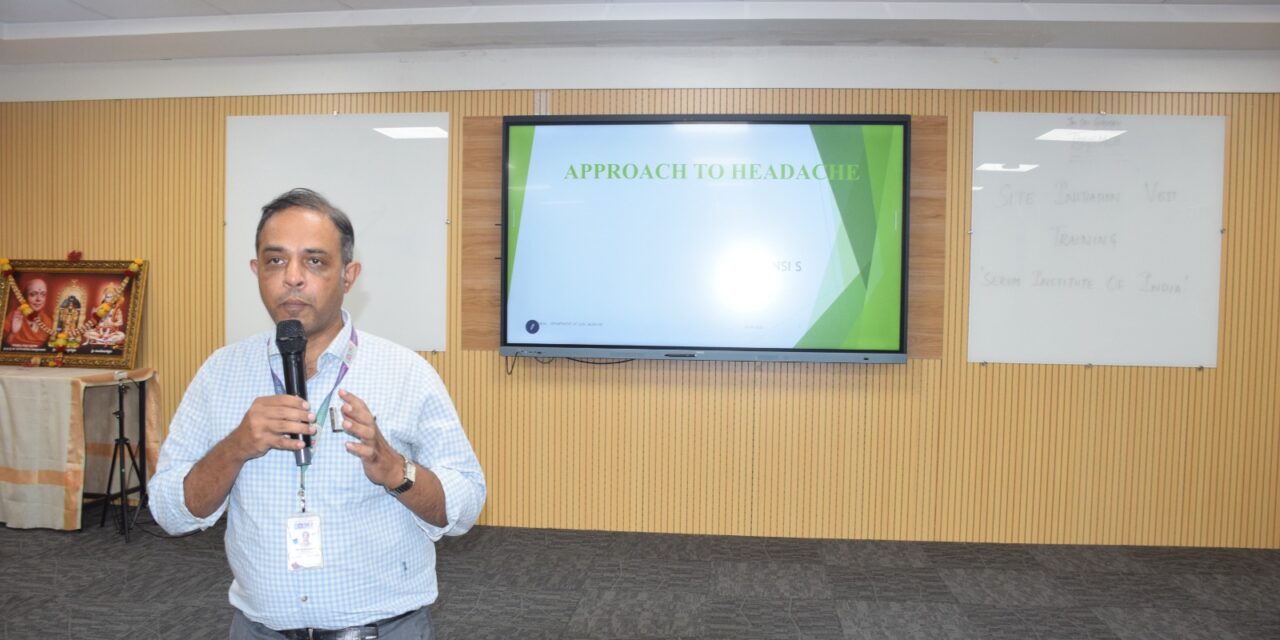
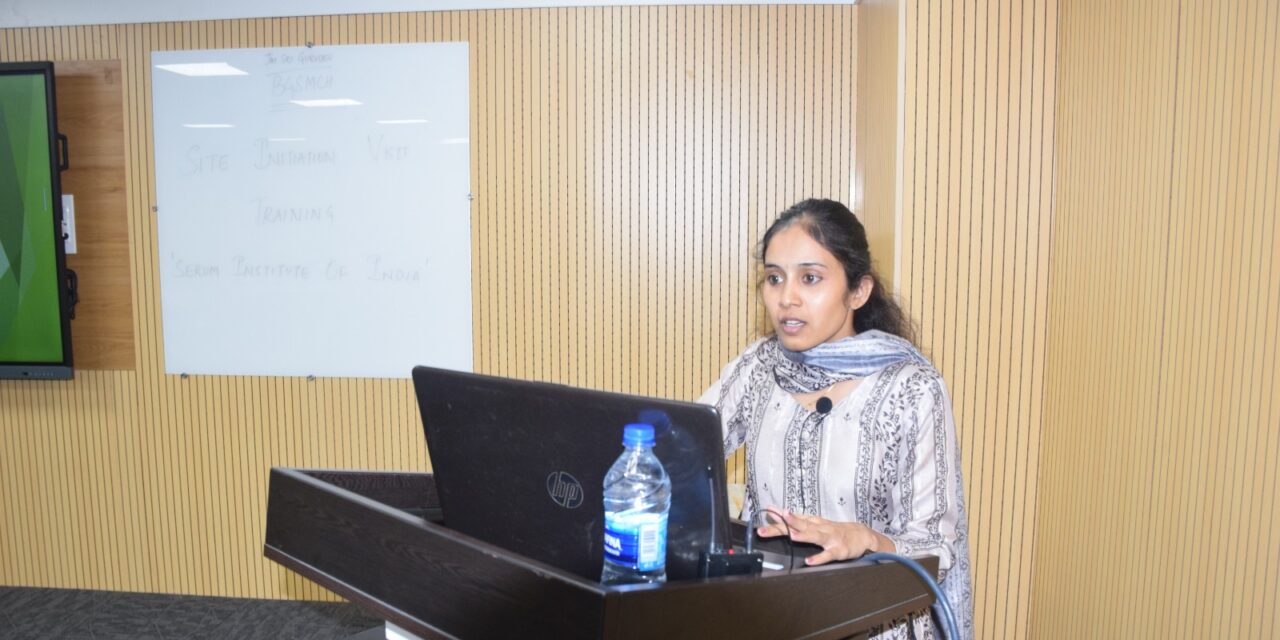
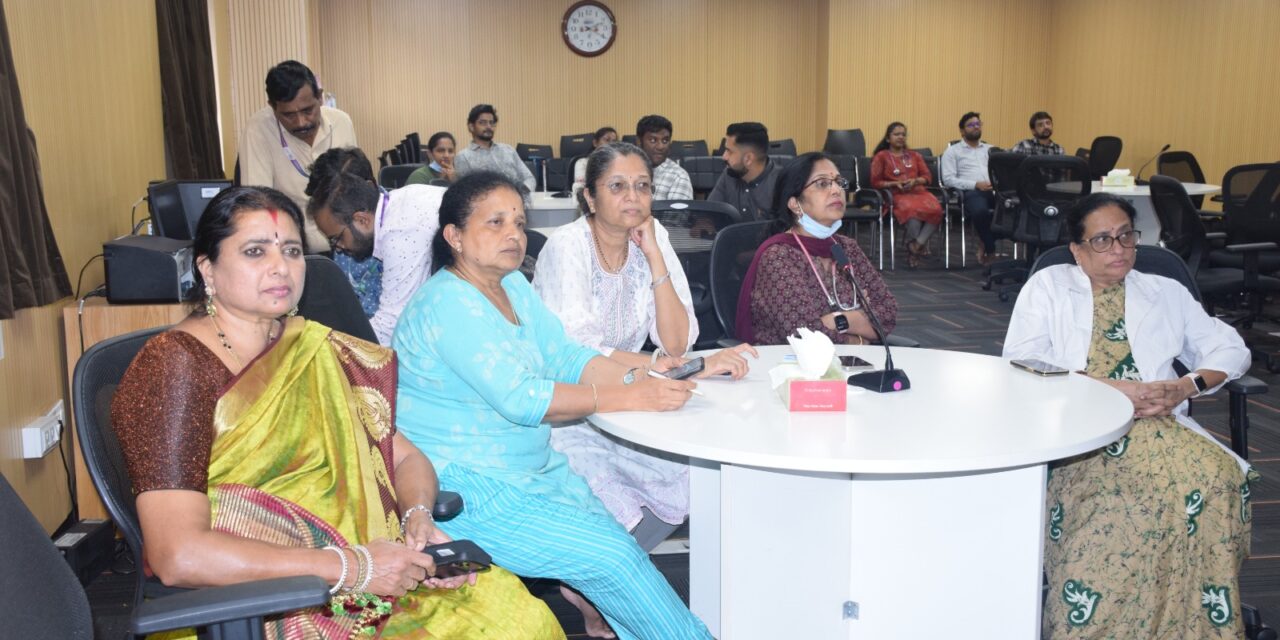
The Department of General Medicine successfully hosted a comprehensive Faculty Development Programme titled Approach to Headache on June 24, 2026. Held at the MEU Hall, the session was designed to refine the clinical competencies and diagnostic methodologies of medical educators and practitioners. By focusing on the latest advancements in neurological assessment, the programme aimed to standardize the clinical approach to one of the most common yet complex presentations in medical practice.
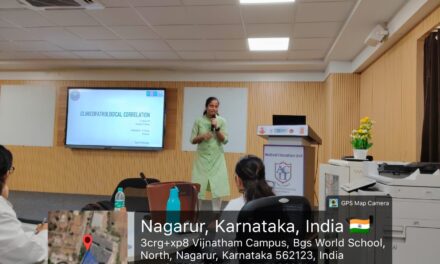
The academic session provided an in depth exploration of systematic evaluation techniques, stressing the importance of distinguishing between primary and secondary headache disorders. Participants engaged with detailed presentations on updated differential diagnosis protocols and the implementation of evidence based management strategies. The curriculum was specifically tailored to ensure that faculty members are equipped with the most current therapeutic guidelines to enhance both patient care and undergraduate medical instruction.
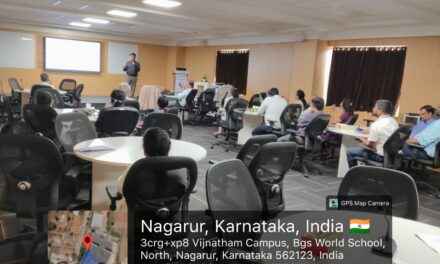
A significant highlight of the event was the active participation of consultants and faculty members from diverse clinical departments within BGS Medical College and Hospital. This multidisciplinary gathering fostered a rich environment for professional discourse, allowing experts from various specialties to share perspectives on complex cases. Such collaborative learning environments are essential for developing a holistic understanding of patient symptoms that often cross traditional departmental boundaries.
The Faculty Development Programme concluded with an interactive discussion where attendees reviewed clinical cases and shared best practices for long term management of chronic headache conditions. By prioritizing continuous medical education, the Department of General Medicine reaffirms its commitment to academic excellence and the professional growth of its medical staff. The knowledge gained from this session is expected to have a direct positive impact on clinical outcomes and the quality of clinical training provided to the next generation of healthcare professionals.