



Hepatitis A Infection & Prevention at BGS Medical College and Hospital, Nagaruru
Introduction
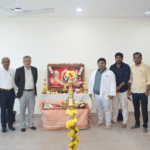
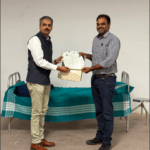
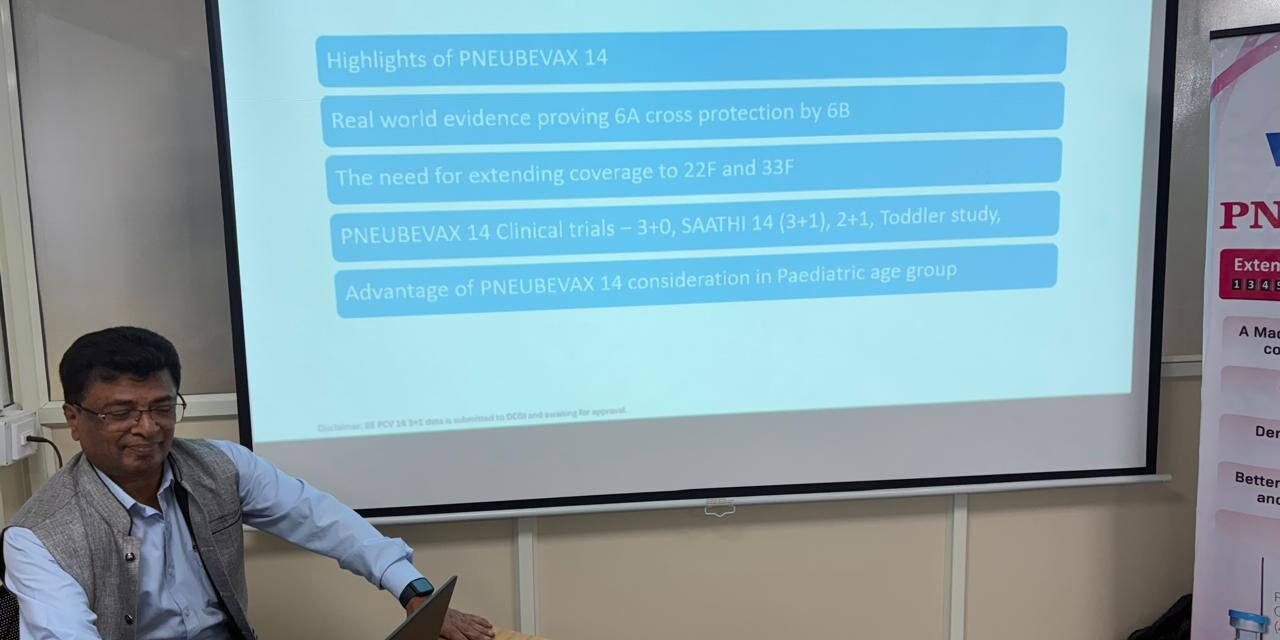
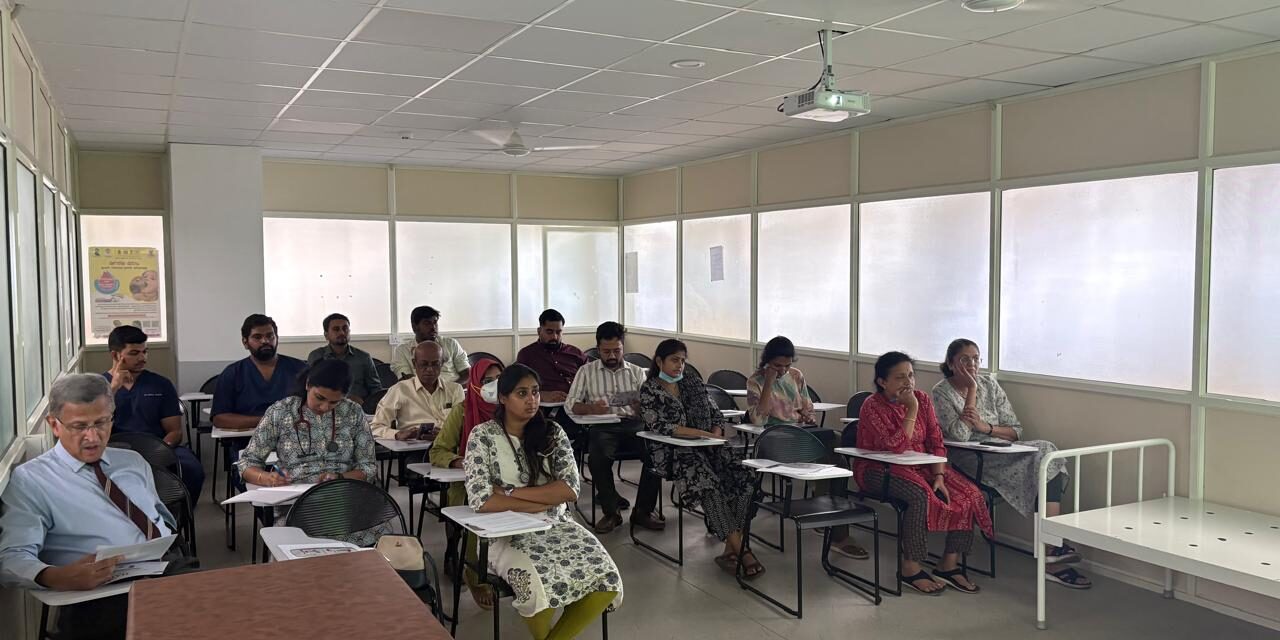
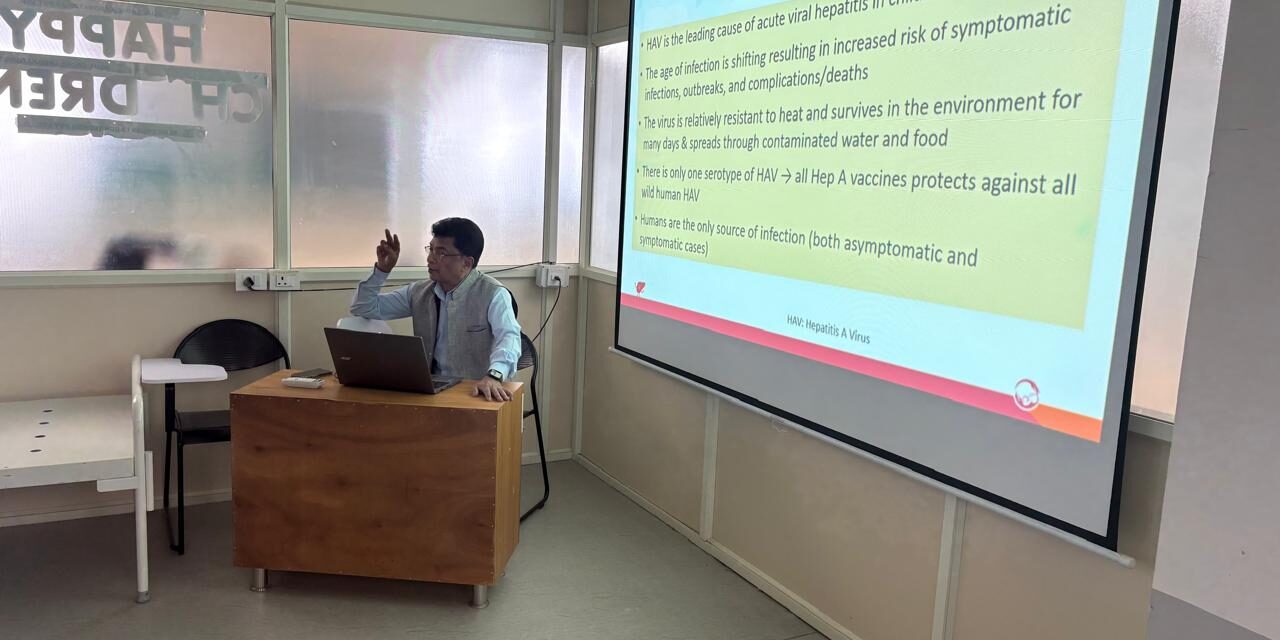
A guest lecture on “Hepatitis A Infection & Prevention” was conducted at BGS Medical College and Hospital, Nagarur, with the objective of creating awareness about Hepatitis A and its prevention. The session was delivered by Dr. Ramesh M, Professor & Head, Department of Pediatrics, who provided valuable insights into this significant public health concern.
Event Proceedings
The session commenced with an introduction to Hepatitis A, an acute viral infection affecting the liver, primarily transmitted through the fecal-oral route due to contaminated food and water. Dr. Ramesh M delivered a comprehensive lecture covering the epidemiology, transmission, clinical features, and preventive strategies of the disease.
The speaker elaborated on the causes and modes of transmission, highlighting poor sanitation, unsafe drinking water, and inadequate personal hygiene as major contributing factors. Special emphasis was placed on high-risk groups, including children, travelers, and individuals residing in areas with limited access to clean water.
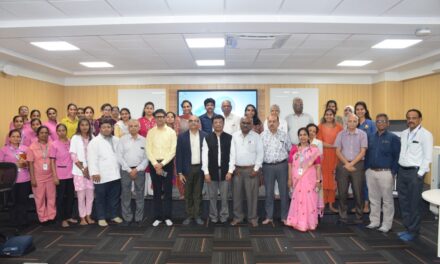
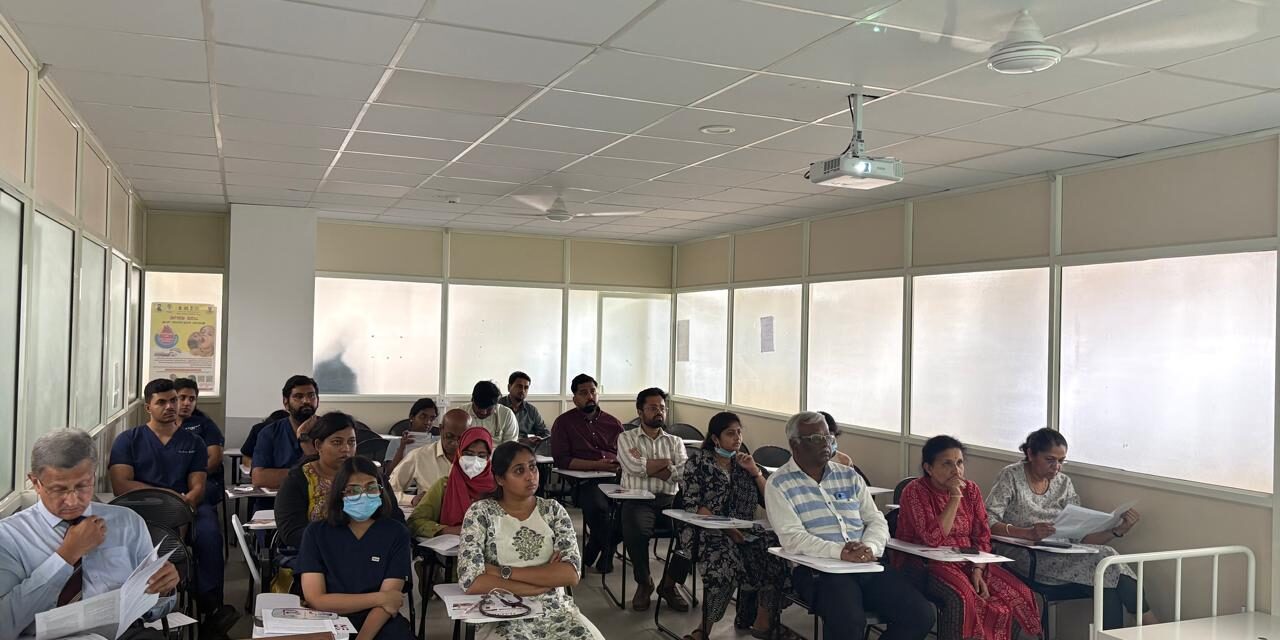
The session witnessed active participation from students, faculty members, and foreign medical graduates, making it highly interactive and informative.
Key Highlights
Participants gained a comprehensive understanding of the causes, transmission, and clinical features of Hepatitis A.
Increased awareness regarding the fecal-oral route of transmission and the role of contaminated food and water.
Enhanced knowledge of early symptoms, enabling timely diagnosis and appropriate management.
Strengthened understanding of preventive measures such as proper hand hygiene, safe drinking water, and sanitation practices.
Highlighted the importance of vaccination as an effective preventive strategy.
Encouraged the adoption of healthy lifestyle practices and community-level hygiene measures.
Promoted a preventive and public health-oriented approach among healthcare professionals.
Improved confidence among foreign medical graduates in managing and educating patients about Hepatitis A in clinical settings.
Conclusion
The session proved to be highly informative and impactful, emphasizing that Hepatitis A is a preventable disease. It highlighted the crucial role of awareness, hygiene, and vaccination in reducing its incidence. The lecture fostered a sense of responsibility among participants to educate the community and implement effective preventive strategies in their professional practice.
Overall, the event successfully contributed to enhancing knowledge and promoting a proactive approach towards public health and disease prevention.