




Cracking Code of Stress with Psychiatric Insights and Biomarkers
Introduction
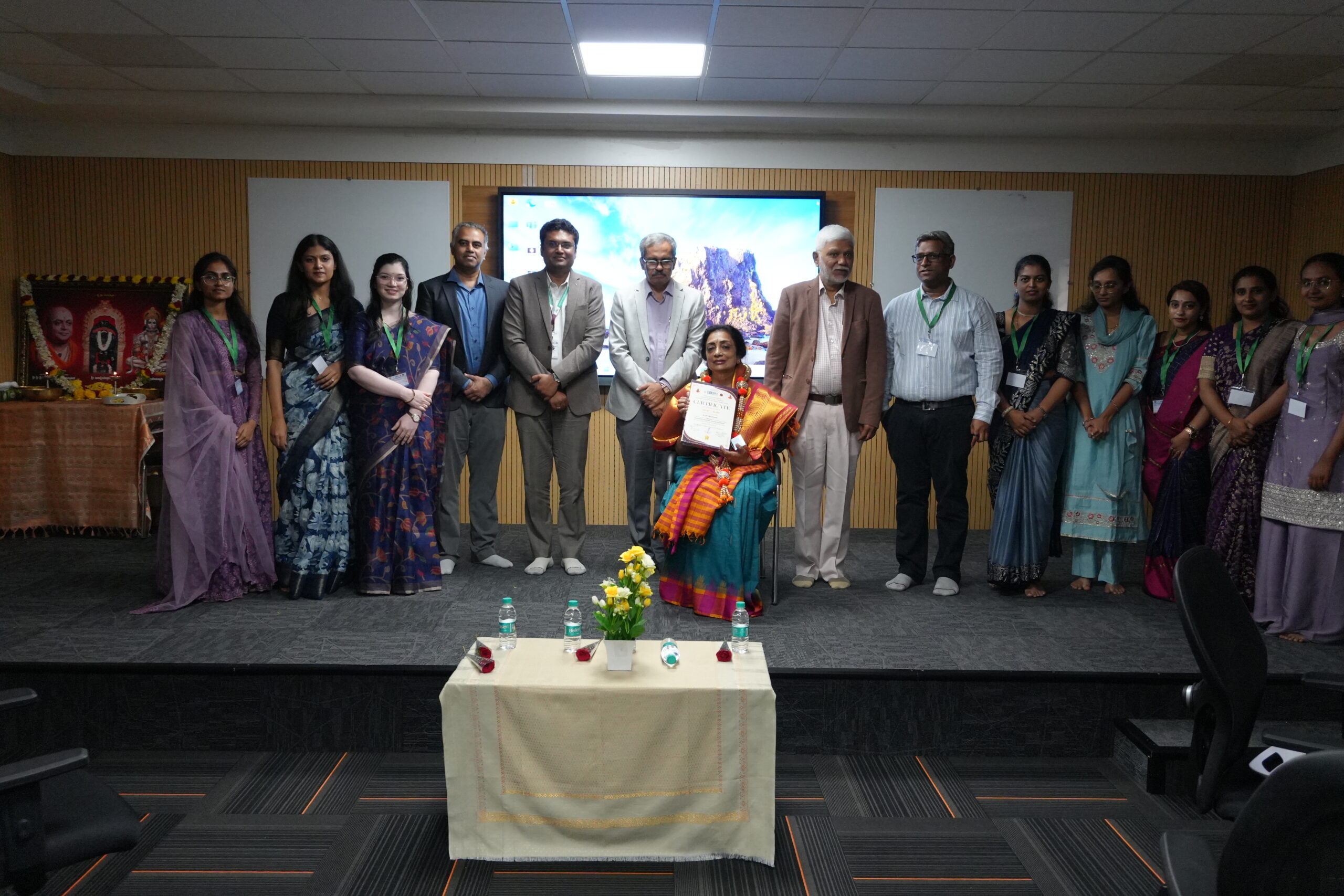
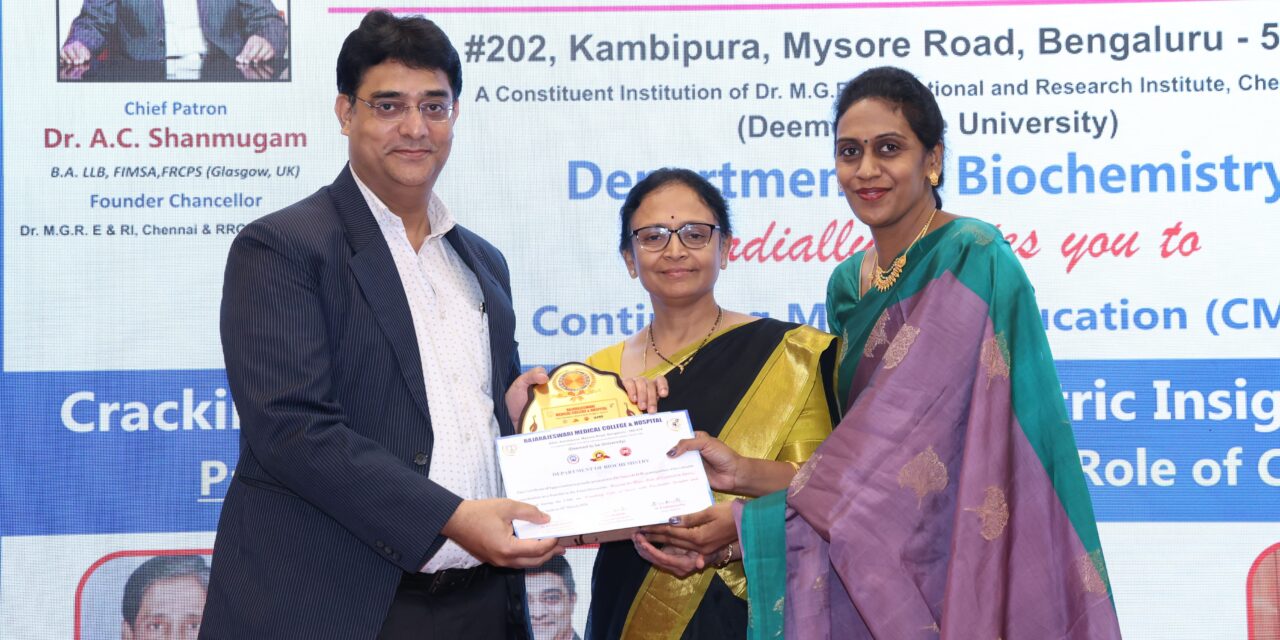
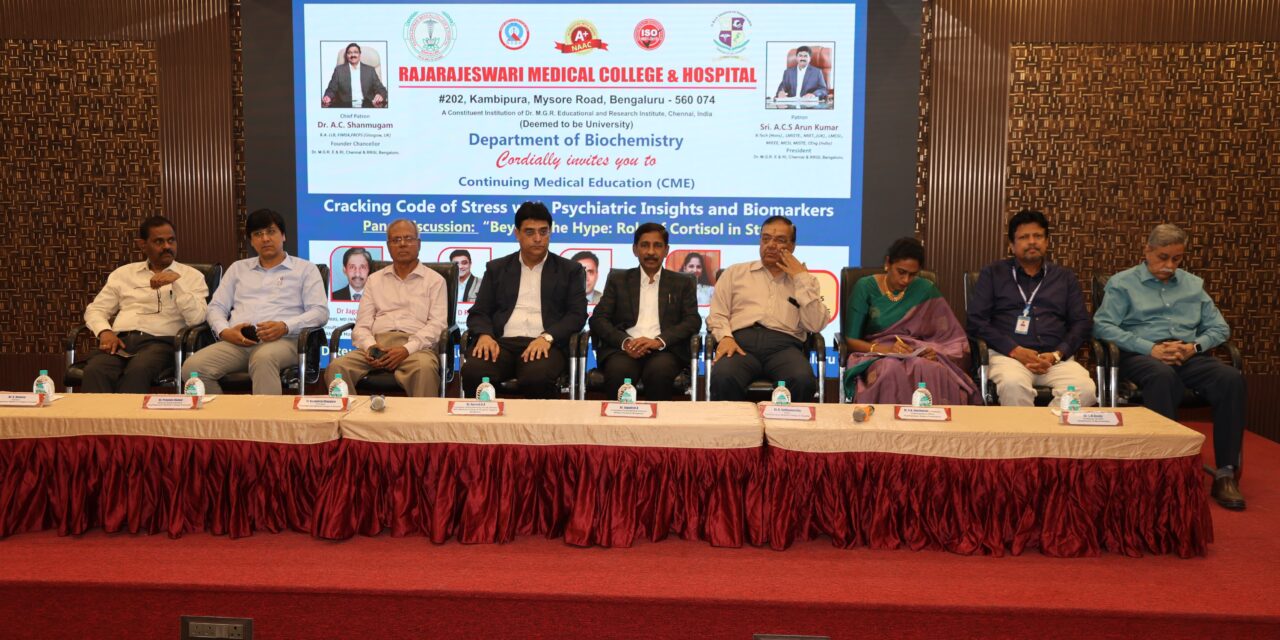
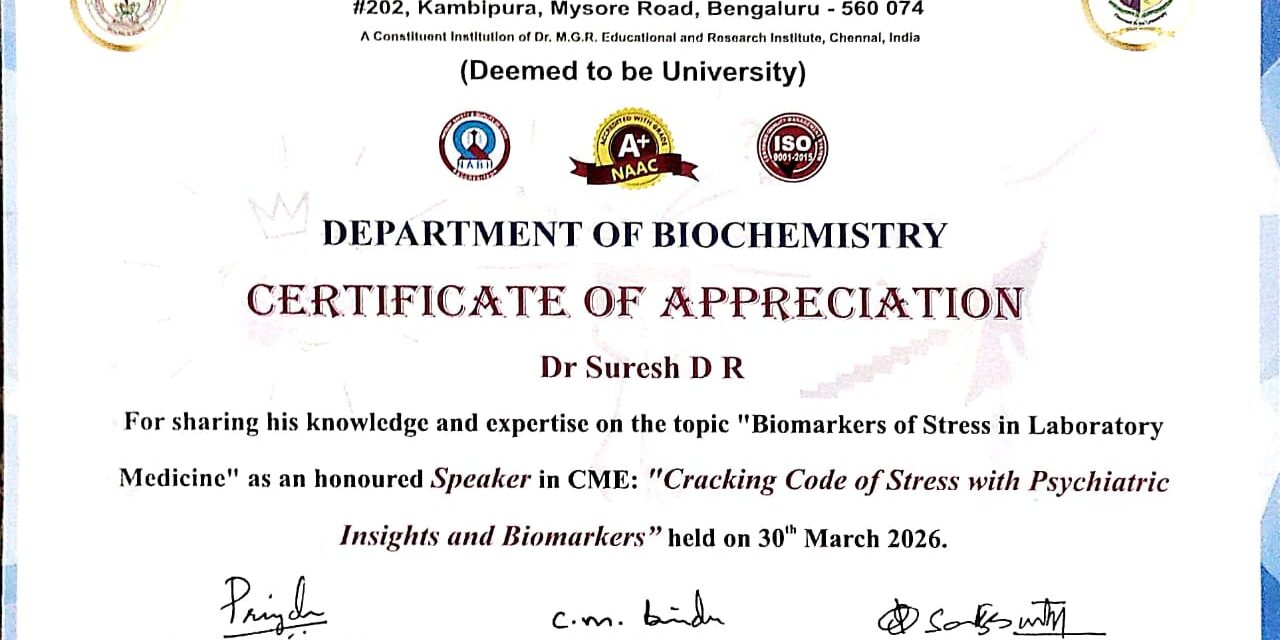
The Department of Biochemistry at Rajarajeswari Medical College and Hospital organized a Continuing Medical Education (CME) program titled “Cracking the Code of Stress with Psychiatric Insights and Biomarkers” on 30th March 2026 at Kadamba Hall. The programme aimed to explore the evolving landscape of diagnostic tools and clinical methodologies used to quantify and manage physiological and psychological stress. The event served as a valuable platform for interdisciplinary interaction among experts from biochemistry, psychiatry, and clinical medicine.
The programme witnessed the participation of distinguished faculty members, clinicians, and students, fostering academic exchange and collaborative learning.
Event Proceedings
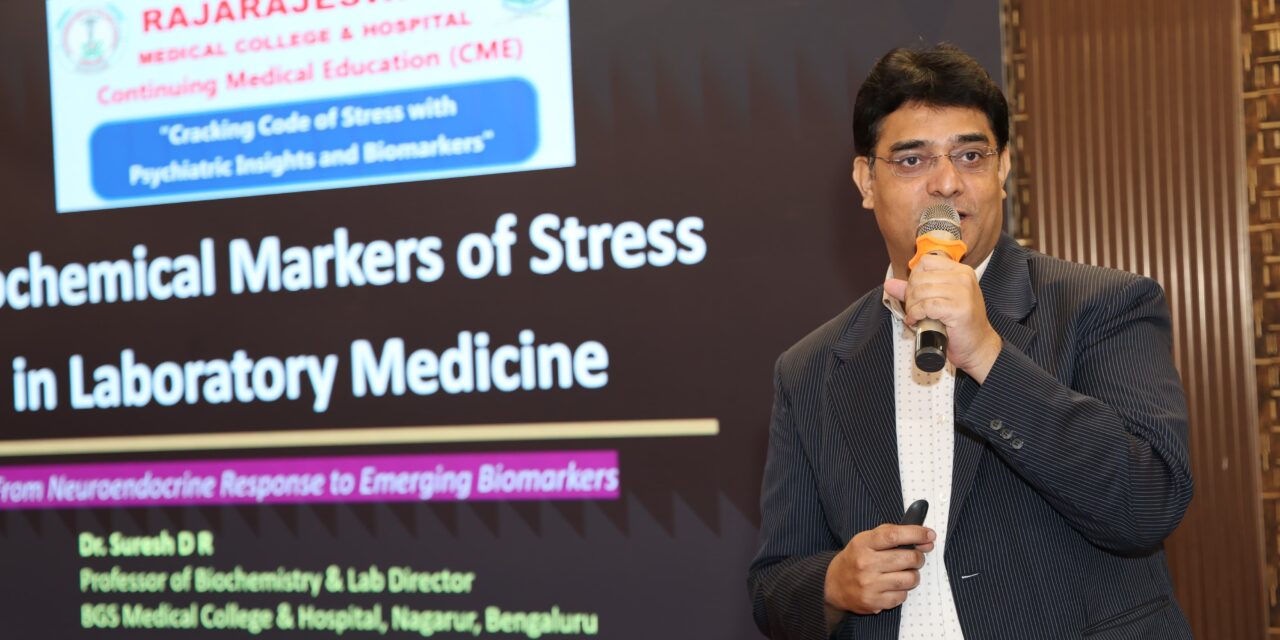
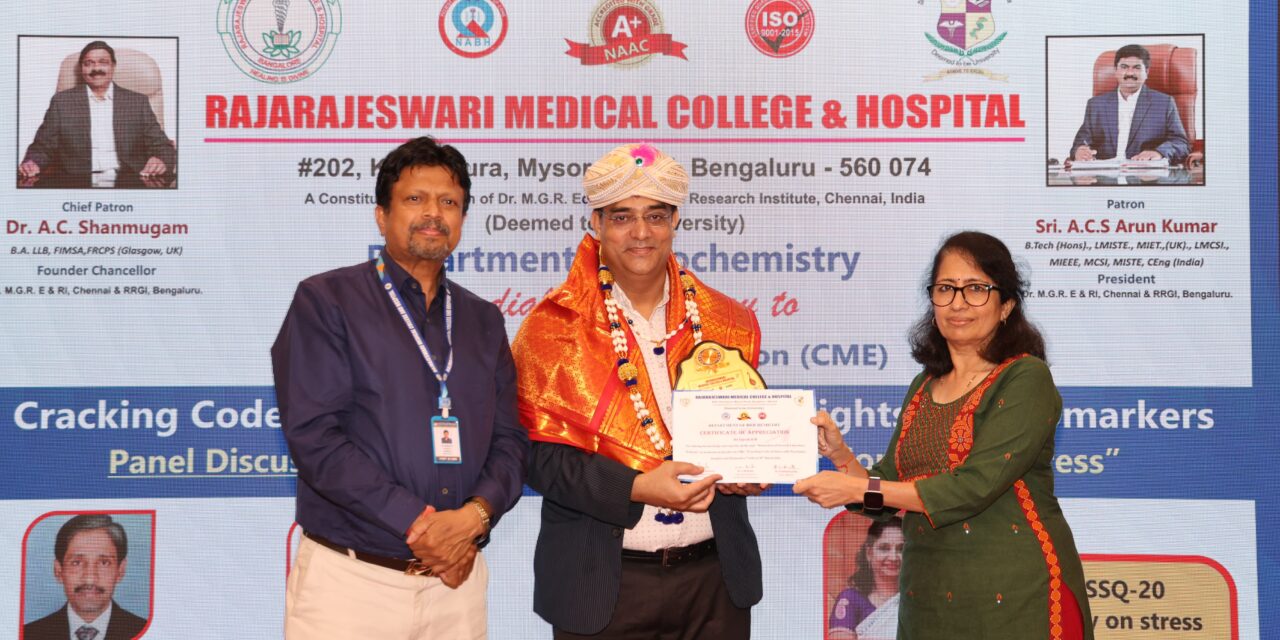
The scientific session featured Dr. Suresh DR, Professor of Biochemistry and Lab Director at BGS Medical College and Hospital, as the invited speaker and panelist. He delivered an insightful lecture on “Biomarkers of Stress in Laboratory Medicine,” highlighting key biochemical indices essential for accurate stress assessment. He emphasized the integration of laboratory findings with clinical observations to enhance diagnostic precision and underscored the critical role of laboratory medicine in early detection of stress-related disorders.
A key highlight of the programme was the panel discussion titled “Beyond the Hype: Role of Cortisol in Stress.” The session brought together eminent experts from various specialties:
- Dr. Jagadish A, MBBS, MD (NIMHANS, Bangalore), Consultant Psychiatrist and Director, Abhaya Hospital, Bengaluru
- Dr. Mohan K. Rao, MBBS, MD, Fellowship in Diabetes & Endocrinology (Dallas, USA), Professor, Department of Medicine, RRMCH
- Dr. R. Prema, MBBS, DCH, DNB, Professor, Department of Paediatrics, RRMCH
The panel discussion provided multidisciplinary insights into the biochemical, psychiatric, metabolic, and pediatric aspects of stress. Experts elaborated on the complexities of hormonal responses, particularly cortisol, and its implications in clinical practice across different age groups.
The programme concluded with an interactive session, where faculty members and students actively engaged with the speakers, discussing practical challenges in interpreting stress-related laboratory data and its clinical applications.
Key Highlights
- Expert lecture on biomarkers of stress and their role in laboratory medicine
- Multidisciplinary panel discussion on cortisol and stress response
- Integration of biochemical and clinical perspectives for improved diagnosis
- Active participation and interaction among faculty and students
- Emphasis on a multi-specialty approach in understanding stress mechanisms
Conclusion
The CME programme on “Cracking the Code of Stress with Psychiatric Insights and Biomarkers” was successfully conducted and provided a comprehensive understanding of stress from both biochemical and clinical perspectives. The event effectively bridged the gap between basic sciences and clinical practice, reinforcing the importance of interdisciplinary collaboration in modern healthcare. The Department of Biochemistry reaffirmed its commitment to advancing medical education and promoting evidence-based clinical practice through such academic initiatives.