BGS Medical College and Hospital Hosts Academic Session on “The Science of Triple Action Synbiotic”
Introduction
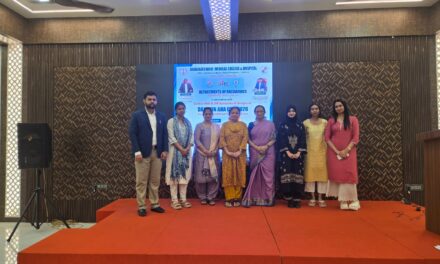
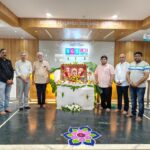
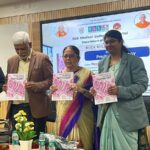
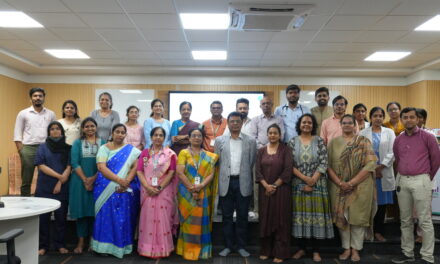
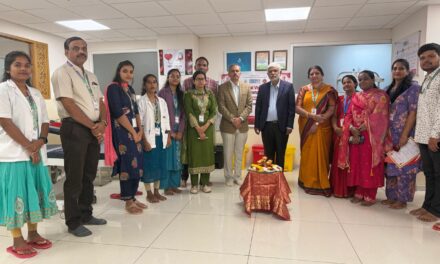
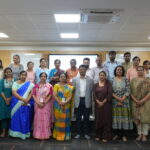
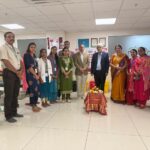
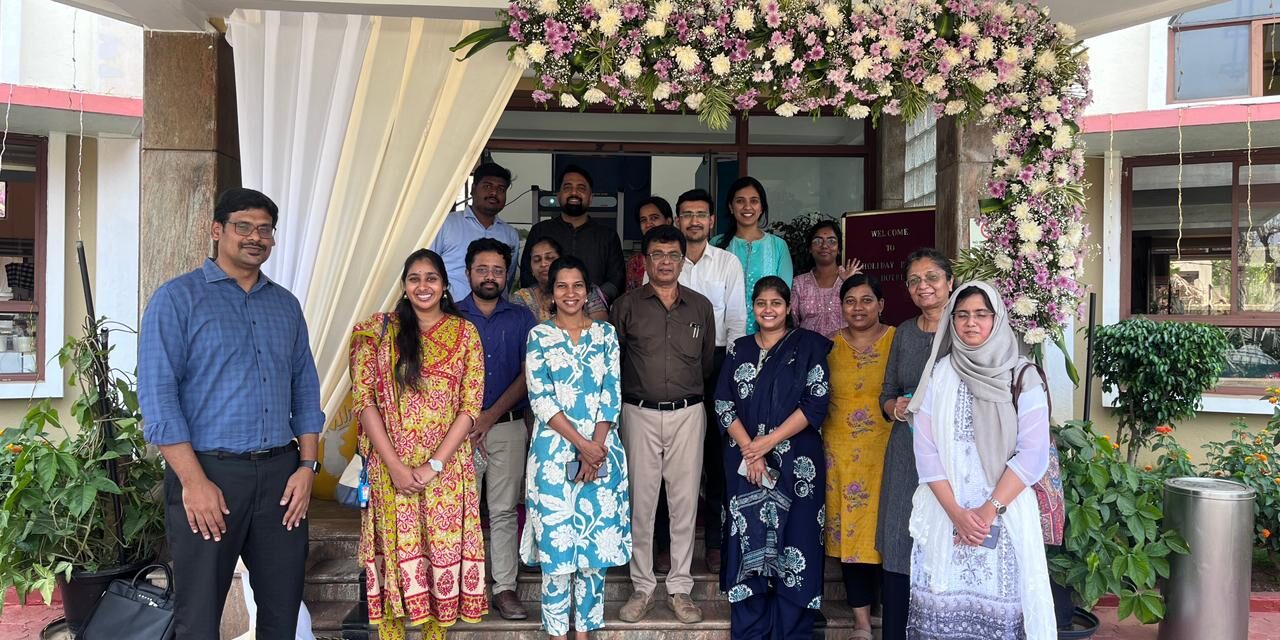
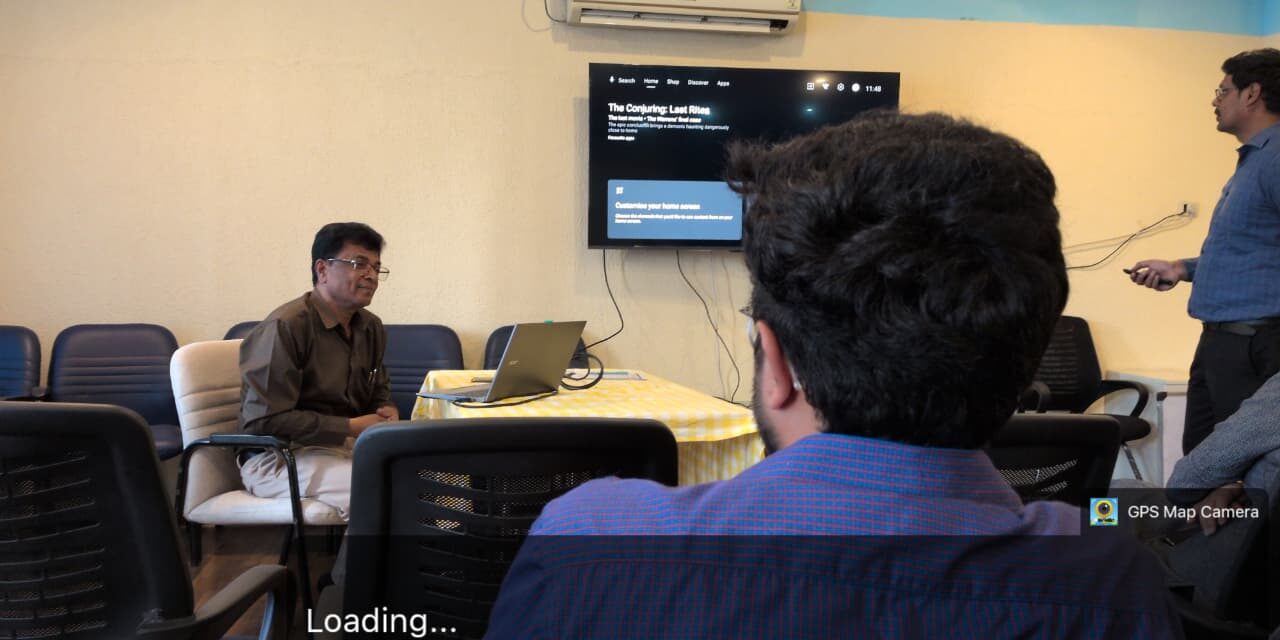
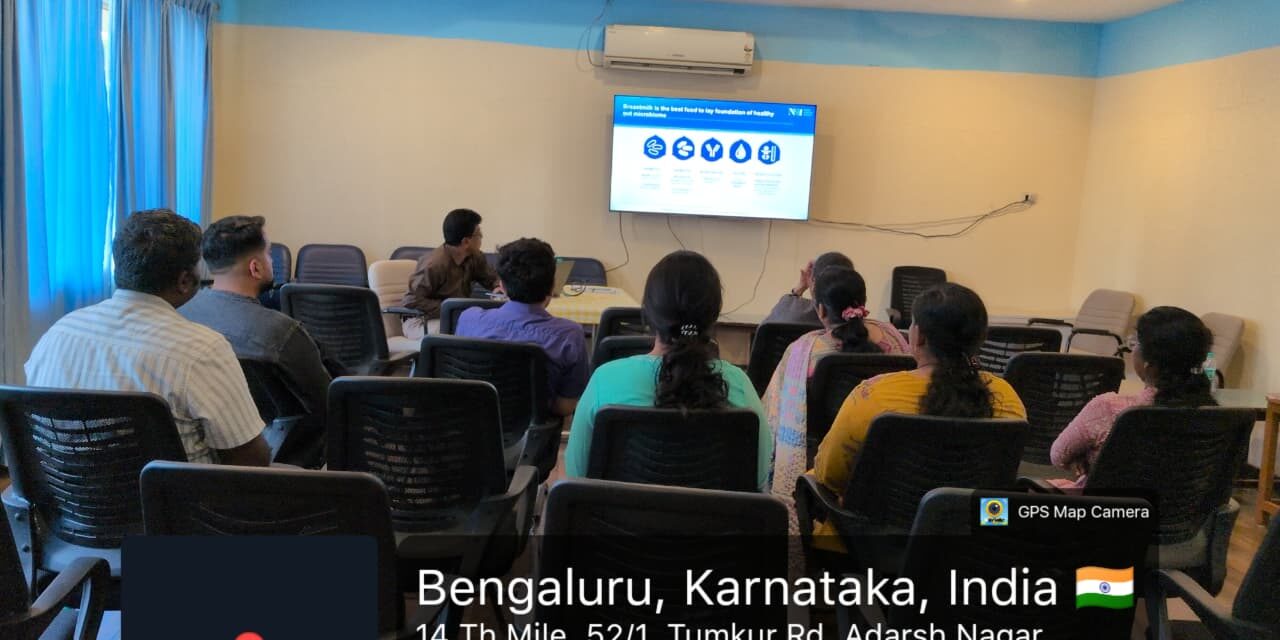
An academic session on “The Science of Triple Action Synbiotic” was successfully conducted on 22 April 2026 at Holiday Palms, under the aegis of BGS Medical College and Hospital, Nagarur. The session aimed to elucidate the evolving scientific basis and clinical applications of synbiotics, with a special focus on microbiome research, pediatric nutrition, and infection-related outcomes. The event witnessed active participation from clinicians, faculty members, and academicians.
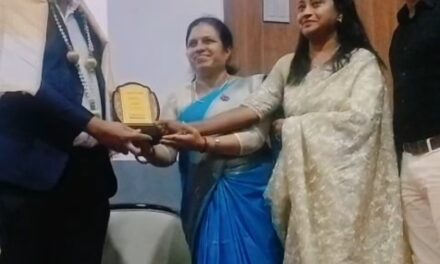
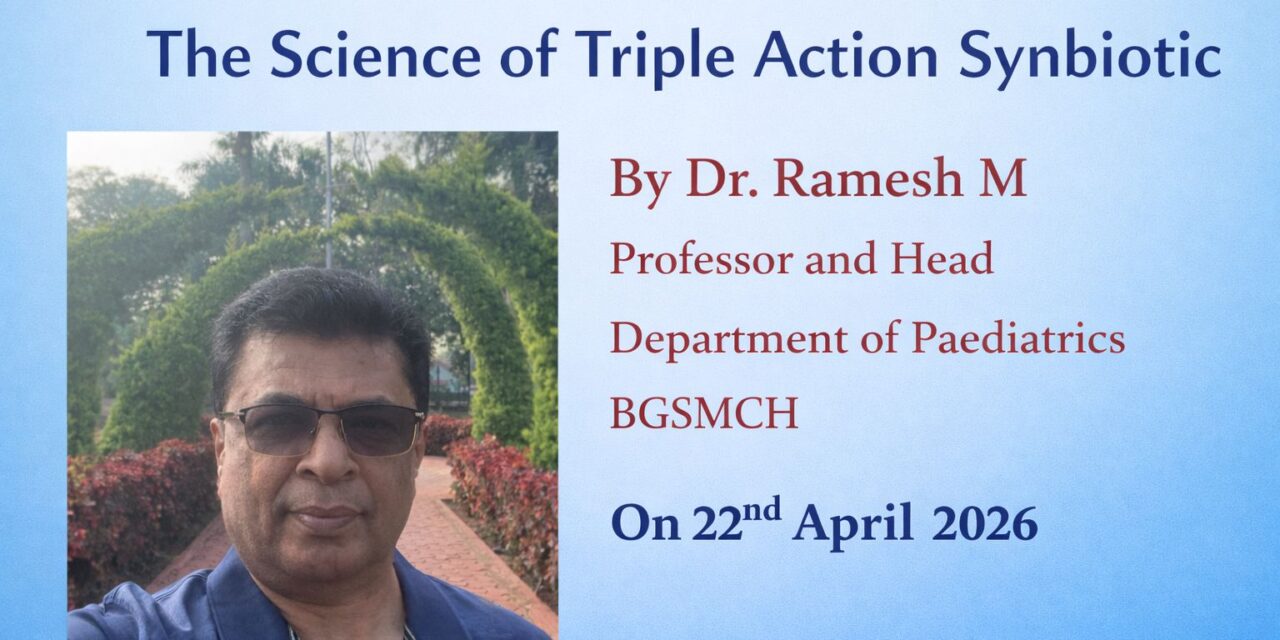
The program was graced by the esteemed Chief Guest, Dr. Ramesh M, Professor and Head, Department of Pediatrics, BGS MCH, whose presence added significance to the academic deliberations.
Event Proceedings
The session commenced with a comprehensive overview of the gut microbiome, highlighting its role as a dynamic and metabolically active ecosystem crucial for immune modulation, maintenance of intestinal barrier integrity, and overall systemic health.
This was followed by an in-depth discussion on synbiotics, emphasizing the synergistic integration of probiotics and prebiotics. Special attention was given to the emerging concept of postbiotics, forming the basis of the “triple action” paradigm:
- Restoration of microbial balance
- Enhancement of intestinal barrier function
- Modulation of host immune responses
The scientific discourse further explored strain-specific probiotic effects, substrate selectivity of prebiotics, and the production of bioactive metabolites such as short-chain fatty acids. Evidence from clinical studies was presented, particularly in relation to pediatric gastrointestinal disorders, antibiotic-associated diarrhea, and immune resilience.
Interactive case-based discussions formed a key component of the session, enabling participants to critically evaluate clinical indications, dosing strategies, and expected therapeutic outcomes. The session also addressed existing gaps in evidence, including variability in formulations and the need for standardized clinical endpoints.
Key Highlights
- Enhanced understanding of the “triple action” synbiotic model, including microbiota restoration, intestinal barrier support, and immune modulation.
- Strengthening of evidence-based clinical perspectives regarding strain specificity, appropriate synbiotic combinations, and relevant clinical outcomes.
- Practical translation of theoretical knowledge into clinical scenarios, particularly in pediatric care and infection-related conditions.
- Improvement in clinical decision-making skills through interactive, case-based learning.
- Recognition of current research limitations, emphasizing the need for robust and standardized clinical studies.
- Promotion of interdisciplinary academic engagement, fostering collaborative dialogue among clinicians and researchers.
- Encouragement for continued learning and research initiatives in microbiome science and therapeutics.
Conclusion
The academic session concluded with a synthesis of key take-home messages, reinforcing the role of triple action synbiotics as a promising adjunct in modern clinical practice. At the same time, the importance of continued high-quality research and evidence-based application was emphasized.
The event was well received by all attendees, marked by enthusiastic participation and meaningful academic exchange. It successfully contributed to advancing knowledge and stimulating interest in the rapidly evolving field of microbiome science.